Why did these radical filmmakers reject the conventions of traditional cinema?
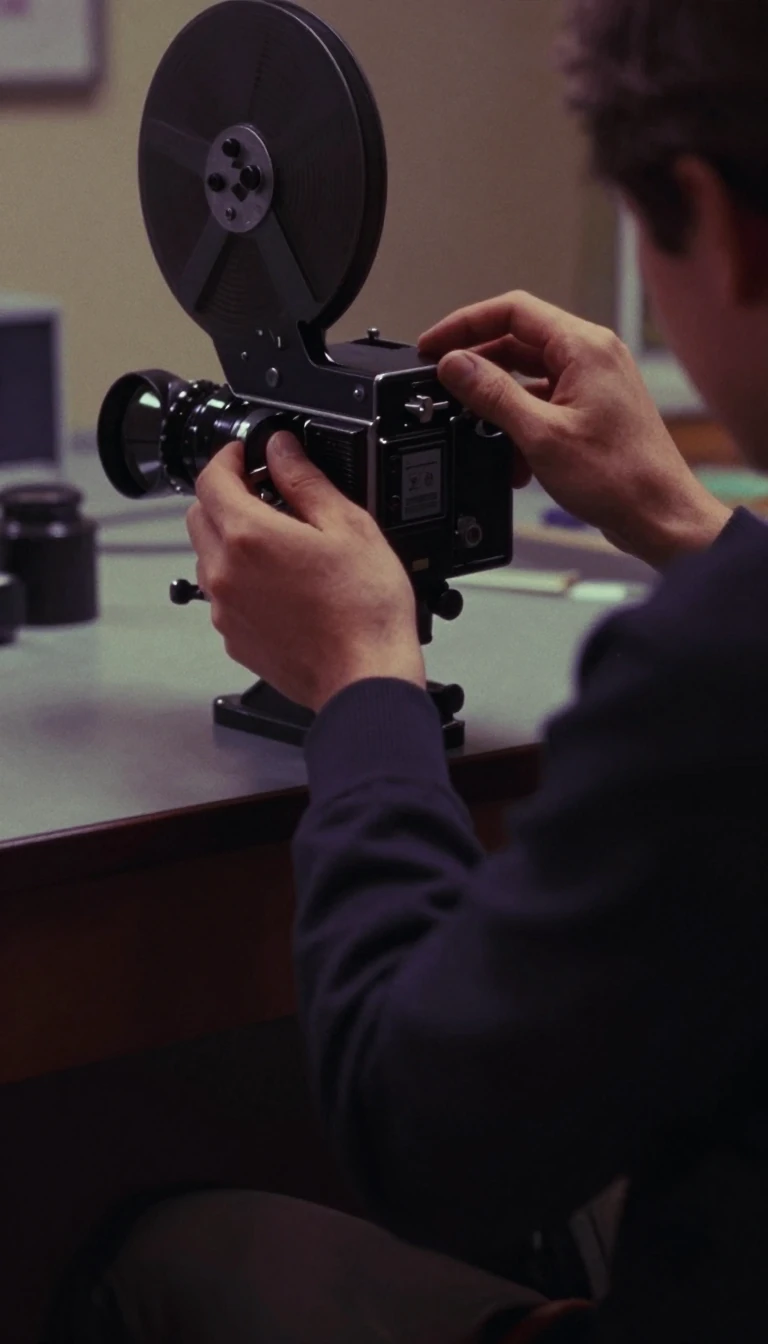
In short: Jean-Marie Straub and Danièle Huillet spent decades crafting films that defied narrative norms. By prioritizing aesthetic rigor, amateur performances, and political commitment, they alienated mainstream critics while earning a cult following. Their work remains a challenging, uncompromising exploration of how cinema can quote reality rather than merely simulate it.
Between 1963 and 2006, the duo produced two dozen films that consistently challenged the expectations of classical cinema. While Straub was often viewed as the public face of the pair, their creative process was a true partnership. Huillet managed editing and production design, while both shared responsibility for rehearsals and text selection. This collaborative dynamic was captured in a documentary by Pedro Costa, which observed the pair during the final cuts of their 1999 film, Sicilia!.
Their aesthetic was deeply influenced by Bertolt Brecht, leading them to reject illusionistic acting. Instead, they favored amateur performers who spoke in regional dialects, viewing the act of performance as a form of quotation. This approach, combined with non-chronological editing and a refusal to provide conventional emotional payoffs, frequently triggered accusations of amateurism and boredom from critics. Yet, this rigor was intentional; they sought to strip away the artifice of traditional storytelling to focus on the relationship between the original source text and the screen.
The pair’s output was entirely based on existing works, ranging from novels and plays to operas and political letters. Their 1967 film, The Chronicle of Anna Magdalena Bach, exemplified their meticulous process, requiring a decade of fundraising before completion. It broke new ground by integrating live music directly into the filming process, a technique they later refined in adaptations of Arnold Schoenberg’s operas. Despite early rejection by festival juries, their influence grew over time, eventually earning them a special prize at the 2006 Venice Film Festival for their invention of a new cinematic language.
Following Huillet’s death in 2006, their legacy underwent a shift toward broader international appreciation. Restoration efforts led by BELVA-Film allowed their complete catalog to reach new audiences through retrospectives and digital streaming. Today, they are recognized not just for their radical politics, but for an uncompromising formal discipline that continues to inspire contemporary filmmakers who value the intersection of history, music, and the written word.
Opens the Intellect+ feed with this card first. Swipe up for the next one.
Sources
- Summary by Intellect · source: Straub–Huillet
To cite this card, link to https://intellectplus.co.uk/app/art-straub-huillet.
How we source, check and correct cards: Editorial standards.
General information, not professional advice. Spotted an error? Flag the card or see corrections and complaints.
Intellect Plus is a visual educational discovery platform for exploring fascinating facts and ideas. Brain Food, Not Brain Rot. What is Intellect Plus?
Related
More in Filmmakers and theatre directors · More in Art · Latest · A–Z · All topics
