Sumerian literature is the world's oldest written tradition, dating back five millennia.
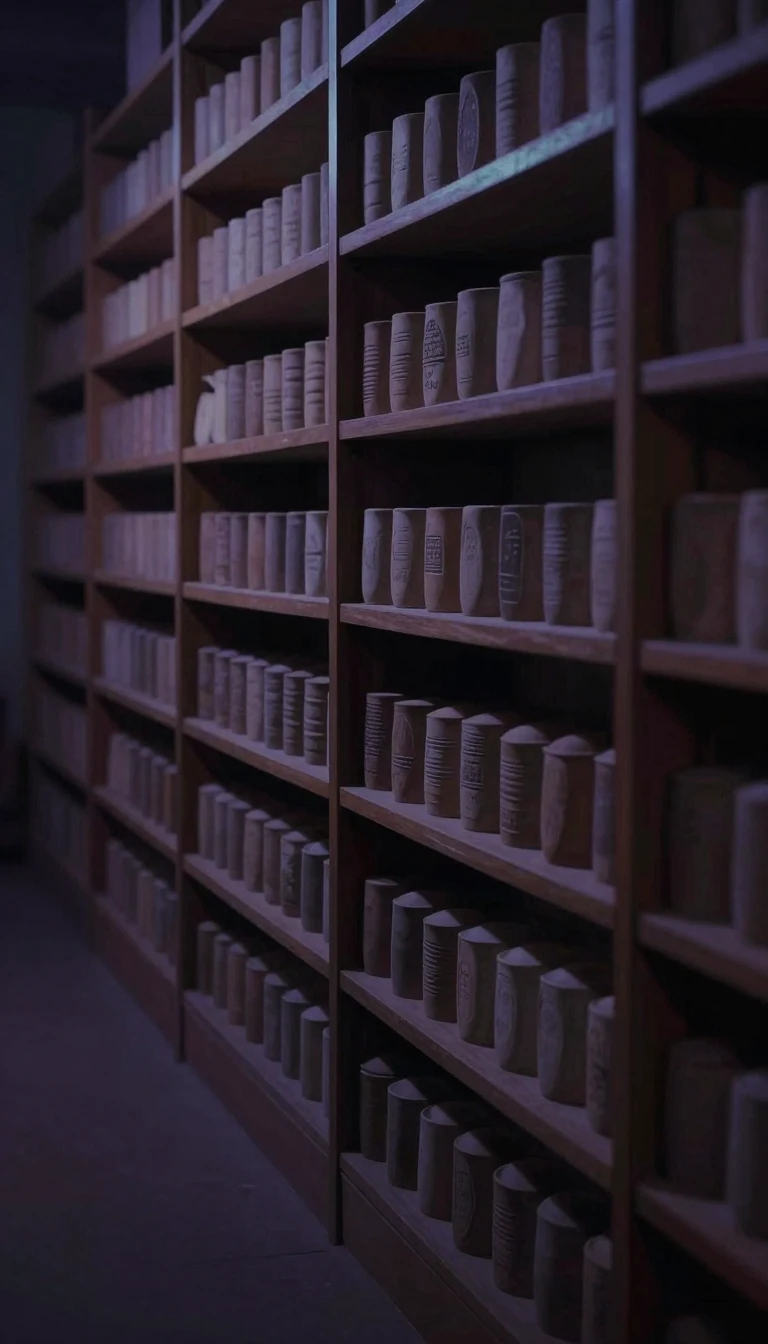
In short: Long before the rise of classical civilizations, the Sumerians developed a sophisticated literary culture in ancient Mesopotamia. Their written records, appearing in the middle of the 4th millennium BCE, represent the earliest known literature in human history, preserving myths, hymns, and legal codes that shaped the foundations of later empires.
The origins of Sumerian literature are deeply rooted in an oral tradition that likely existed long before the first cuneiform tablets were inscribed. By the late 3rd and early 2nd millennia BCE, this tradition had evolved into a vast corpus of nearly 400 distinct compositions. These texts were not merely administrative records but included complex mythological narratives, historical accounts, and wisdom literature that provided a blueprint for subsequent Mesopotamian cultures, including the Akkadian and Babylonian empires.
Modern scholars, such as those involved in the University of Oxford’s digital project, have worked to standardize these ancient texts. By breaking down Sumerian words into their base forms and grammatical components, researchers can now offer precise interpretations of these early writings. This digital effort allows for a deeper understanding of how Sumerian scribes organized their thoughts, using intricate patterns of sound and structure to create resonance, even though the precise definition of poetry in their culture remains elusive.
The curriculum for ancient scribes often centered on a specific collection of ten texts known as the Decad. These manuscripts, which include famous narratives like the stories of Gilgamesh and Enmerkar, are among the best-preserved examples of the era. Because Sumerian literature did not use titles, these works were traditionally identified by their opening lines. This practice highlights the importance of the oral-to-written transition, where the rhythm and musicality of the spoken word were carefully captured in clay for future generations.
Opens the Intellect+ feed with this card first. Swipe up for the next one.
Sources
- Summary by Intellect · source: Sumerian literature | Britannica
- Also: Electronic Text Corpus of Sumerian Literature
- Also: Sumerian literature
To cite this card, link to https://intellectplus.co.uk/app/art-sumerian-literature.
How we source, check and correct cards: Editorial standards.
General information, not professional advice. Spotted an error? Flag the card or see corrections and complaints.
Intellect Plus is a visual educational discovery platform for exploring fascinating facts and ideas. Brain Food, Not Brain Rot. What is Intellect Plus?
Related
More in Literature · More in Art · Latest · A–Z · All topics
