Dario Argento’s Suspiria is a nightmare captured on film through vivid, Technicolor-soaked visual excess.
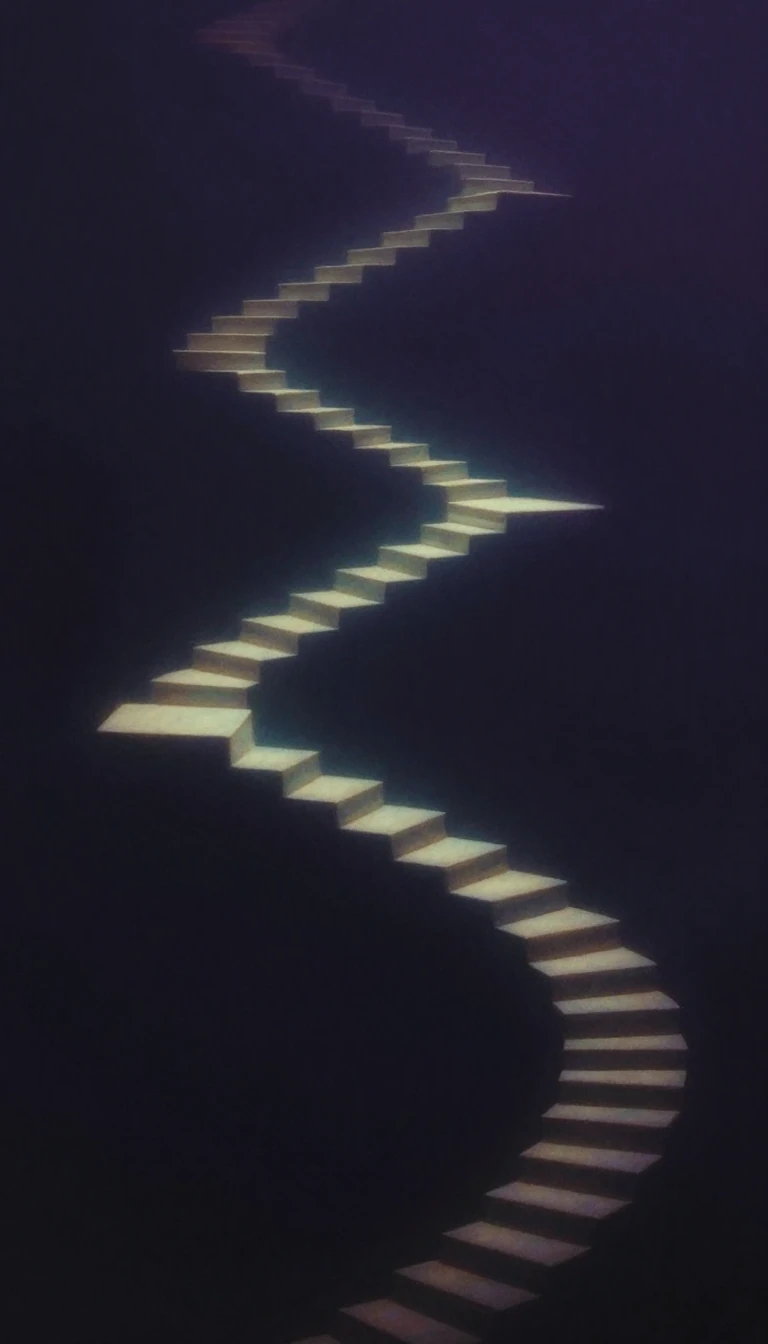
In short: Released in 1977, this Italian horror masterpiece abandoned conventional realism for a dreamlike, sensory assault. By prioritizing aesthetic experience over traditional narrative, Argento created an influential cult classic that remains a benchmark for horror cinema, celebrated for its vibrant color palette and a haunting score by the band Goblin.
Dario Argento’s Suspiria follows Suzy Bannion, an American ballet student who discovers that her prestigious German dance academy is a front for a coven of witches. The film was partially inspired by Thomas De Quincey’s 1845 essay Suspiria de Profundis, which introduced the concept of the Three Mothers: Mater Lacrymarum, Mater Suspiriorum, and Mater Tenebrarum. Argento expanded this into a trilogy, with Suspiria focusing on the Mother of Sighs in Freiburg, followed by Inferno in 1980 and The Mother of Tears in 2007.
The film’s distinct visual style was achieved through the use of imbibition Technicolor prints, a process that allowed for exceptionally vivid primary colors, particularly red. Argento, working with cinematographer Luciano Tovoli, sought to replicate the aesthetic of Walt Disney’s Snow White. This commitment to visual flair extended to the score, composed by the progressive rock band Goblin. In a departure from typical production practices, the music was created before the film was shot, allowing the director to build scenes around the soundscape.
While initial critical reception was mixed, with some reviewers criticizing the dubbed dialogue and perceived lack of plot, the film has since gained immense retrospective acclaim. It is frequently cited as one of the most influential horror films ever made, praised for its artistic composition and nightmarish atmosphere. Scholars note that the film’s power lies in its self-conscious connection to nineteenth-century romanticism and aestheticism, where the irrational world is given precedence over logical storytelling. Today, it remains a touchstone for directors, having inspired a 2018 homage by Luca Guadagnino and influencing the visual styles of modern filmmakers like Prano Bailey-Bond.
Opens the Intellect+ feed with this card first. Swipe up for the next one.
Sources
- Summary by Intellect · source: Suspiria
To cite this card, link to https://intellectplus.co.uk/app/art-suspiria.
How we source, check and correct cards: Editorial standards.
General information, not professional advice. Spotted an error? Flag the card or see corrections and complaints.
Intellect Plus is a visual educational discovery platform for exploring fascinating facts and ideas. Brain Food, Not Brain Rot. What is Intellect Plus?
Related
More in Film and television · More in Art · Latest · A–Z · All topics
