Why most television pilots are destined to never reach a viewing audience
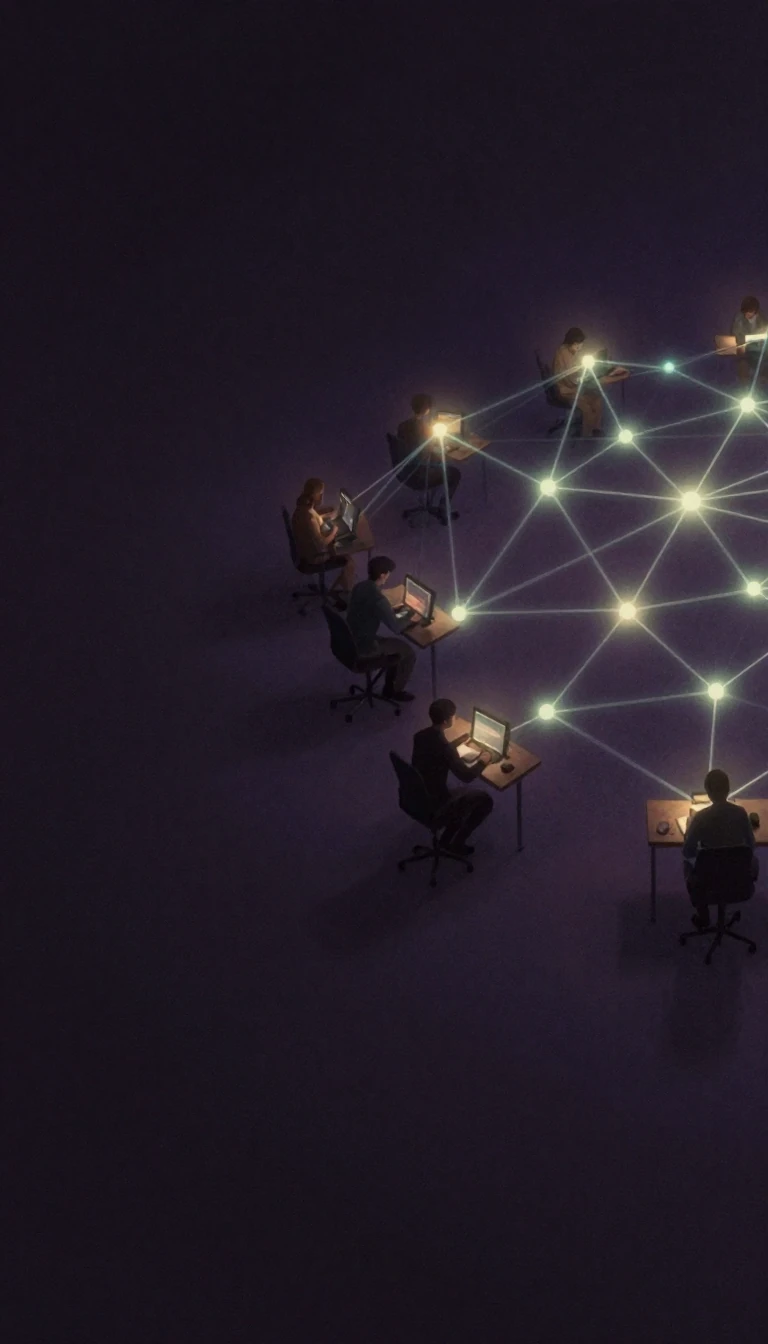
In short: A television pilot is a high-stakes testing ground designed to convince networks that a series concept is worth the investment. Yet, despite the intense competition and massive production costs, Variety estimates that over seventy-five percent of these produced episodes never make it to the series stage, remaining forever unseen.
The process of creating a television pilot is a rigorous, industry-wide ritual. Each summer, major American networks receive roughly 500 elevator pitches. By the following January, they order about 20 pilot episodes. This phase involves immense logistical effort, including global casting searches—such as the 1994 hunt for the cast of Friends, where over 1,000 headshots were reviewed for each lead role—and the assembly of production crews. Executives use these pilots to gauge potential, often testing them with audiences before deciding which four to eight shows will advance to a full series.
Once produced, a pilot's fate is rarely straightforward. While some become the series premiere, others are relegated to later episodes, reworked entirely, or discarded. In extreme cases, such as the 1960s series Gilligan's Island, significant recasting and script changes rendered the original pilot unusable, forcing the network to air it later as a flashback or not at all. Similarly, Star Trek’s original pilot, The Cage, was rejected by NBC, though its footage was later repurposed into a two-part episode. These creative pivots highlight the pilot's role as a proof of concept rather than a finished product.
The industry has evolved to mitigate the risks of these expensive, often wasted efforts. Models like the 10/90 production—where a network commits to ten episodes with an option for ninety more based on ratings—or the rise of straight-to-series commissions, popularized by Netflix, reflect a shift away from the traditional pilot. Historically, networks even attempted to recoup costs by packaging unsold pilots into summer anthology series, a practice that flourished between 1956 and 1989 but has since largely vanished. Today, the pilot remains a volatile, high-pressure gamble, where the majority of work is destined to be shelved or repurposed as direct-to-video films or theatrical releases.
Opens the Intellect+ feed with this card first. Swipe up for the next one.
Sources
- Summary by Intellect · source: Television pilot
To cite this card, link to https://intellectplus.co.uk/app/art-television-pilot.
How we source, check and correct cards: Editorial standards.
General information, not professional advice. Spotted an error? Flag the card or see corrections and complaints.
Intellect Plus is a visual educational discovery platform for exploring fascinating facts and ideas. Brain Food, Not Brain Rot. What is Intellect Plus?
Related
More in Film and television · More in Art · Latest · A–Z · All topics
