The Exorcist was a production nightmare that became a landmark of cinematic realism.
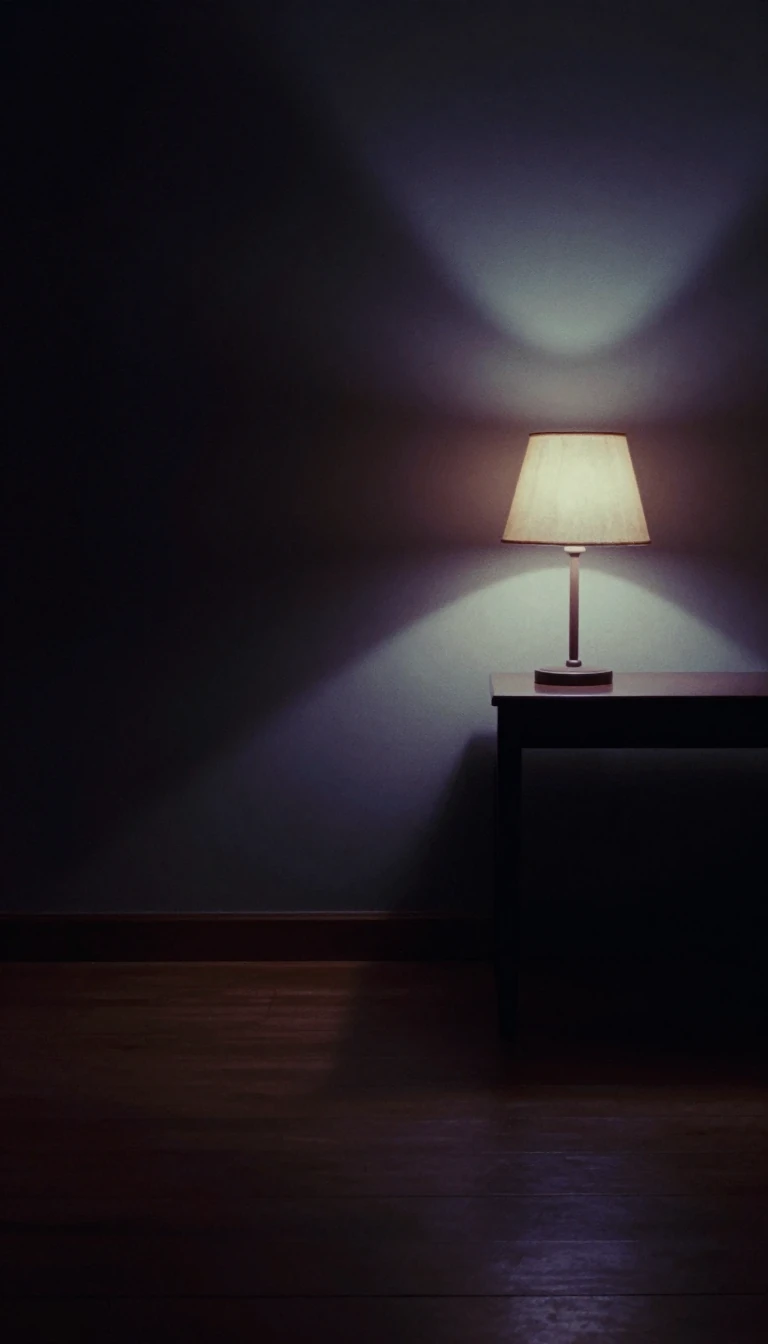
In short: Plagued by injuries, budget overruns, and a director known as Wacky Willy, The Exorcist defied its cursed reputation to become a cultural phenomenon. By rejecting traditional horror lighting and demanding grueling, authentic performances, the film transformed a story of demonic possession into a terrifyingly grounded experience that changed cinema forever.
When William Friedkin took on the adaptation of William Peter Blatty’s 1971 novel, he was determined to avoid the artificial tropes of the horror genre. Working with cinematographer Owen Roizman, Friedkin insisted on documentary-style realism, utilizing natural light and visible sources rather than spooky, atmospheric effects. This commitment extended to the set design; the bedroom where the exorcism occurs was refrigerated to −20 °F (−29 °C) so that the actors' breath would be visible on camera. Because the intense set lighting constantly warmed the air, the crew could only film for three minutes at a time, making the sequence a month-long ordeal.
The production was notoriously difficult, with costs ballooning to nearly three times the initial $4.2 million budget. Friedkin’s methods were often extreme; he manipulated his cast to elicit genuine reactions, such as firing blanks without warning or slapping an actor to ensure a solemn, shaken performance. These tactics, combined with frequent reshoots and a revolving door of crew members, fueled rumors that the film was cursed. Despite the studio’s initial opposition to casting relative unknowns like Ellen Burstyn and Linda Blair, the film’s intense, grounded approach resonated with audiences.
Upon its 1973 release, the film became a massive commercial success, grossing $193 million during its initial run. It broke industry norms, becoming the first horror film nominated for an Academy Award for Best Picture. While the film’s legacy is defined by its shocking scenes—such as the projectile vomiting and the crucifix sequence—it remains a technical achievement. By stripping away the supernatural ambiguity found in Blatty’s novel and focusing on a visceral, realistic depiction of evil, Friedkin created a work that the Library of Congress later deemed culturally and historically significant.
Opens the Intellect+ feed with this card first. Swipe up for the next one.
Sources
- Summary by Intellect · source: The Exorcist
To cite this card, link to https://intellectplus.co.uk/app/art-the-exorcist.
How we source, check and correct cards: Editorial standards.
General information, not professional advice. Spotted an error? Flag the card or see corrections and complaints.
Intellect Plus is a visual educational discovery platform for exploring fascinating facts and ideas. Brain Food, Not Brain Rot. What is Intellect Plus?
Related
More in Film and television · More in Art · Latest · A–Z · All topics
