Can material wealth ever truly satisfy, or does it only breed a hollow existence?
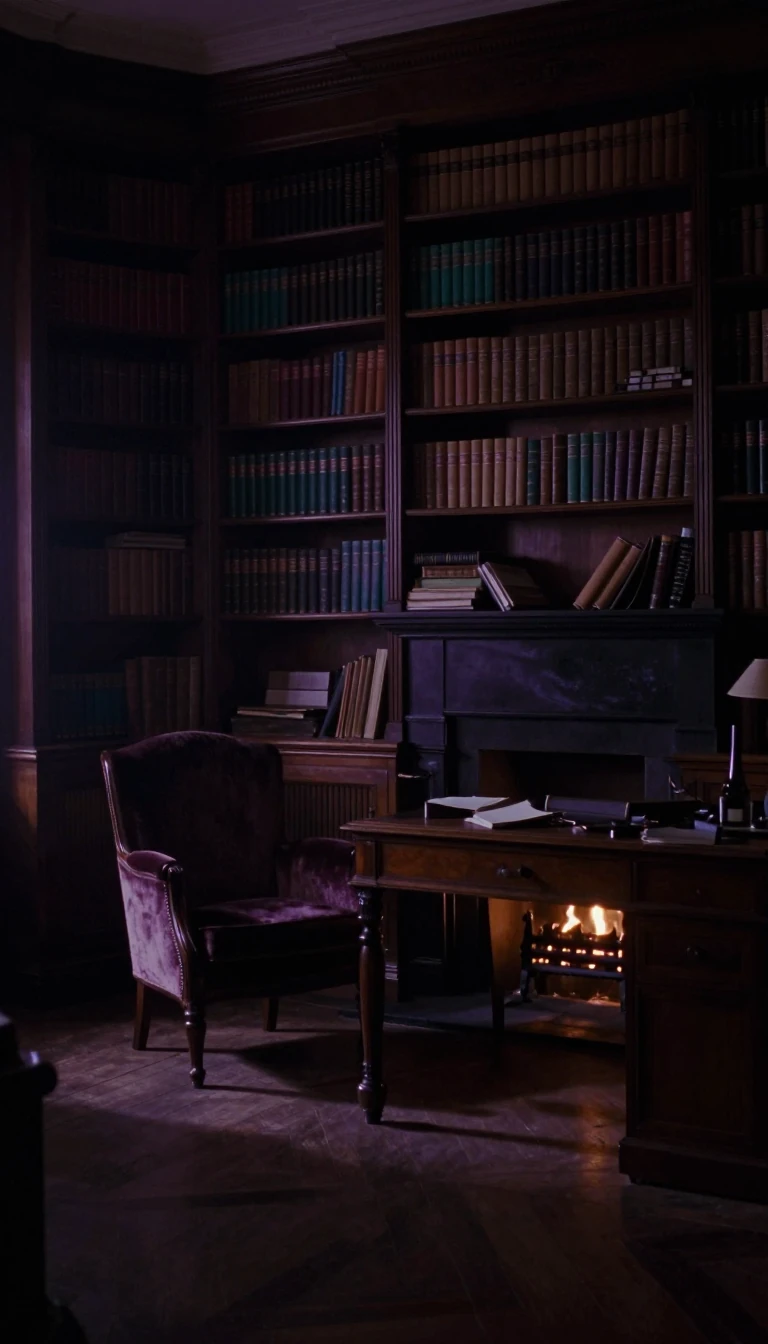
In short: John Galsworthy’s The Forsyte Saga chronicles the lives of an upper-middle-class family obsessed with status and property. Through the lens of Soames Forsyte, a solicitor who views his possessions as the ultimate measure of worth, the series reveals the profound emptiness that often accompanies a life defined by ownership.
First published in 1922, The Forsyte Saga is a collection of three novels and two interludes written by Nobel laureate John Galsworthy between 1906 and 1921. The narrative follows the Forsytes, a family only a few generations removed from their farming roots, as they navigate the social complexities of the British upper-middle class. Central to the story is Soames Forsyte, a man who prides himself on his status as a 'man of property' but finds that his material acquisitions fail to provide him with genuine happiness or fulfillment.
The saga is defined by the turbulent marriage of Soames and his wife, Irene. Driven by jealousy and a desire for control, Soames attempts to isolate Irene by commissioning an architect, Philip Bosinney, to build a country house at Robin Hill. This act sets off a chain of events involving betrayal, financial ruin, and the death of Bosinney. The family dynamics are further complicated by the rivalry between two branches of the family, led by James, Soames' father, and Old Jolyon, the grandfather of June Forsyte. These tensions persist through the generations, culminating in the tragic romance between second cousins Fleur and Jon Forsyte.
The series has seen numerous adaptations, reflecting its enduring cultural impact. From the 1967 BBC serial—which reached 18 million viewers for its final episode—to the 2002 Granada Television production and the 2024 Channel 5 series, the saga continues to be reimagined. While early adaptations like the 1949 film 'That Forsyte Woman' took significant liberties with the source material, modern interpretations often focus on re-centering the narrative on the female characters who were traditionally marginalized in the original text.
The final novel, 'To Let', captures the decline of the older generation, symbolized by the death of the recluse Timothy at age 101 in 1920. As the younger Forsytes struggle with the weight of their family's past indiscretions, the saga serves as a meditation on the limitations of wealth and the difficulty of escaping one's heritage. It remains a definitive study of the British class system and the psychological toll of possessiveness.
Opens the Intellect+ feed with this card first. Swipe up for the next one.
Sources
- Summary by Intellect · source: The Forsyte Saga
To cite this card, link to https://intellectplus.co.uk/app/art-the-forsyte-saga.
How we source, check and correct cards: Editorial standards.
General information, not professional advice. Spotted an error? Flag the card or see corrections and complaints.
Intellect Plus is a visual educational discovery platform for exploring fascinating facts and ideas. Brain Food, Not Brain Rot. What is Intellect Plus?
Related
More in Literature · More in Art · Latest · A–Z · All topics
