How a butchered edit almost destroyed a masterpiece of Italian cinema
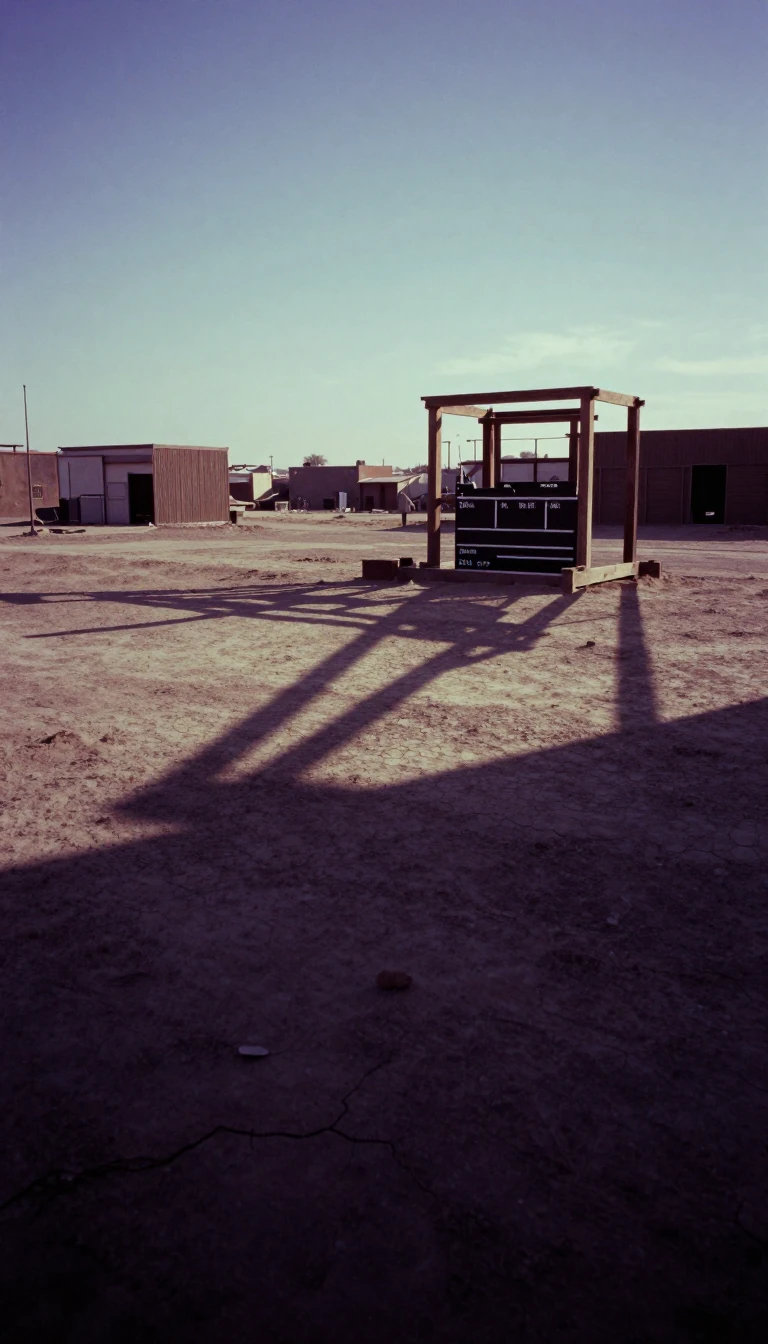
In short: Luchino Visconti’s 1963 epic The Leopard is now considered a cinematic triumph, but its initial American release was a disaster. Distorted by poor dubbing, inferior color processing, and heavy cuts, the film was panned by critics. It took decades of restoration to reveal the true, sweeping grandeur of this historical masterpiece.
Adapted from Giuseppe Tomasi di Lampedusa’s 1958 novel, The Leopard chronicles the decline of the Sicilian aristocracy during the 19th-century Risorgimento. Burt Lancaster stars as Don Fabrizio Corbera, a prince navigating the social upheaval of Italian unification. As his nephew Tancredi shifts allegiances to secure his own future, the Prince observes the rise of a new, bureaucratic class, famously remarking that while things appear to change, they remain fundamentally the same. The production was a massive undertaking, featuring an opulent 46-minute ballroom sequence filmed at the Palazzo Valguarnera-Gangi in Palermo.
The film’s journey to international acclaim was fraught with conflict. Although it secured the top prize at the 1963 Cannes Film Festival and thrived across Europe, Twentieth Century-Fox’s American distribution strategy proved catastrophic. The studio replaced Visconti’s vivid Technicolor with a lower-quality process, reduced the film from 70mm to 35mm, and slashed the runtime from 185 minutes to 161. Most damaging was the English dubbing, which was widely criticized for its poor synchronization and translation. Visconti, who had no control over these edits, publicly disavowed the American version, famously stating that he did not consider it his film at all.
The tide began to turn in 1983, when a restored 185-minute version—the director’s preferred cut—was released to critical acclaim. Reviewers who had previously dismissed the work suddenly hailed it as an enchanting and deeply moving epic. Subsequent efforts, including a 2004 restoration and a 2010 4K scan supported by organizations like The Film Foundation and the Cineteca di Bologna, have further cemented its legacy. Today, the film is recognized as a classic that captures the melancholy of a fading era, proving that the difference of a few dozen minutes and proper technical care can transform a misunderstood project into a timeless work of art.
Opens the Intellect+ feed with this card first. Swipe up for the next one.
Sources
- Summary by Intellect · source: The Leopard (1963 film)
To cite this card, link to https://intellectplus.co.uk/app/art-the-leopard-1963-film.
How we source, check and correct cards: Editorial standards.
General information, not professional advice. Spotted an error? Flag the card or see corrections and complaints.
Intellect Plus is a visual educational discovery platform for exploring fascinating facts and ideas. Brain Food, Not Brain Rot. What is Intellect Plus?
Related
More in Film and television · More in Art · Latest · A–Z · All topics
