Is the most famous detective novel ever written actually a masterclass in literary deception?
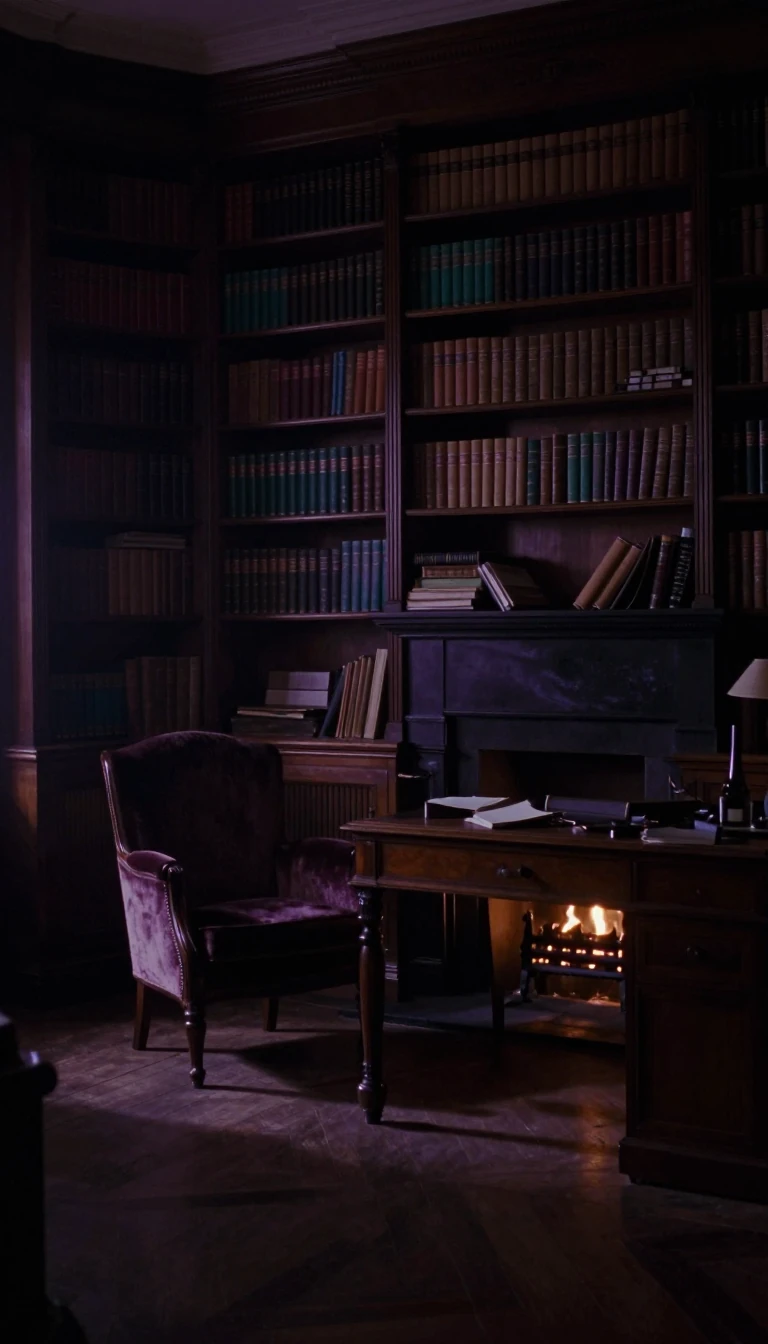
In short: Agatha Christie’s 1926 mystery, The Murder of Roger Ackroyd, shattered genre conventions by weaponizing the role of the narrator. By casting the killer as the person telling the story, Christie forced readers to confront their own assumptions, creating a landmark twist that continues to influence crime fiction nearly a century later.
Published in June 1926, the novel follows Dr. James Sheppard, a village doctor who assists the retired detective Hercule Poirot in investigating the murder of wealthy businessman Roger Ackroyd. The narrative is presented entirely through Sheppard’s perspective as he recounts the events in the village of King's Abbot. This structure allows Christie to employ a sophisticated form of misdirection, where the narrator omits key details of his own actions while remaining technically truthful in his descriptions.
The central mechanism of the mystery relies on Sheppard’s secret guilt. After murdering Ackroyd, the doctor uses a dictaphone to simulate the victim’s voice, creating a false timeline that confuses the other characters and the reader. He then conceals the device in his medical bag during the subsequent investigation. Because the reader views the entire case through Sheppard’s eyes, his reticence regarding these specific moments serves as the foundation for the novel’s final, shocking revelation.
The book has long been a subject of intense critical debate regarding the fairness of its narrative technique. While some early reviewers felt the plot relied on too many extraneous details, others praised its analytical rigor. In 2013, the British Crime Writers' Association recognized its enduring impact by naming it the greatest crime novel of all time. Scholars like Laura Thompson have argued that the work represents the ultimate detective story, as it fundamentally reshaped the genre by transforming the narrator from a passive observer into an active participant in the crime.
Despite its fame, the novel remains a point of contention among critics who question whether the twist constitutes a form of cheating. However, many analysts conclude that Christie provided sufficient clues throughout the text, maintaining a balance between technical cleverness and fair play. By absenting herself from the narrative and allowing the plot to unfold through the eyes of the perpetrator, Christie achieved a level of control that remains a benchmark for detective fiction.
Opens the Intellect+ feed with this card first. Swipe up for the next one.
Sources
- Summary by Intellect · source: The Murder of Roger Ackroyd
To cite this card, link to https://intellectplus.co.uk/app/art-the-murder-of-roger-ackroyd.
How we source, check and correct cards: Editorial standards.
General information, not professional advice. Spotted an error? Flag the card or see corrections and complaints.
Intellect Plus is a visual educational discovery platform for exploring fascinating facts and ideas. Brain Food, Not Brain Rot. What is Intellect Plus?
Related
More in Literature · More in Art · Latest · A–Z · All topics
