The world's oldest magazine began as a radical reformer and became a political launchpad.
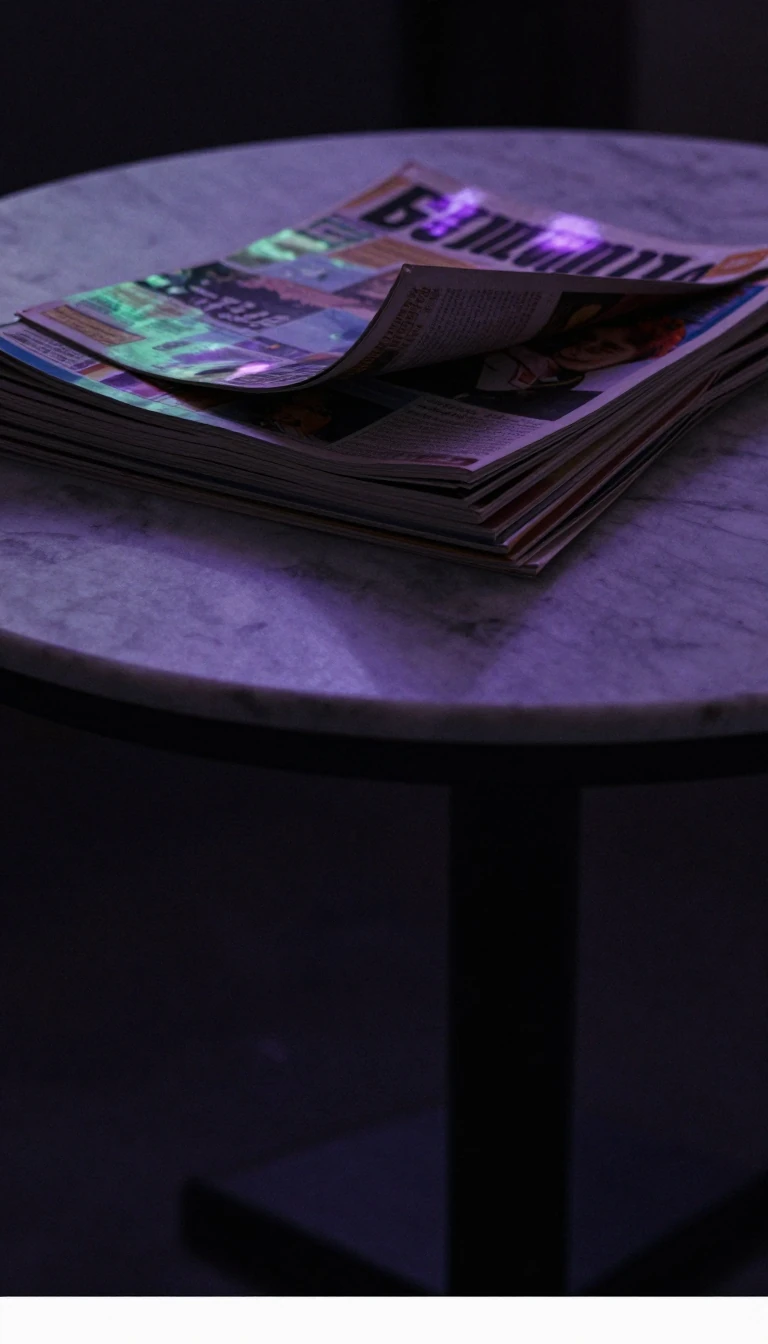
In short: Launched in 1828, The Spectator has evolved from a liberal-radical voice into a conservative institution. It holds the record for the longest-running current affairs magazine, surviving nearly two centuries by reinventing its editorial identity while serving as a notorious stepping stone for future British cabinet ministers and prime ministers.
Founded by Robert Stephen Rintoul in July 1828, the magazine initially championed liberal-radical causes. It was instrumental in the passage of the Great Reform Act of 1832, famously campaigning for the legislation in its entirety. Rintoul, who insisted on absolute control over content, established a tradition where the editor and proprietor were often the same person. Despite its early radicalism, the publication was respected for its non-partisan cultural criticism.
The magazine's political trajectory shifted dramatically over the decades. By the mid-20th century, it had become a platform for Conservative Party figures, including Boris Johnson, Nigel Lawson, and Iain Macleod. This transition was not without internal friction; in 1964, Macleod’s expose on the machinations behind the appointment of Alec Douglas-Home as prime minister caused a national sensation. Throughout its history, the magazine has navigated various ownership changes, from the American-backed period during the US Civil War to its 2024 acquisition by hedge fund manager Paul Marshall.
The Spectator has often balanced intellectual rigor with controversy. It has faced libel suits, such as the 1957 case involving Labour politicians, and has been a vocal participant in major social debates, including the campaign to end capital punishment and the push for the decriminalization of homosexuality. Under editors like Alexander Chancellor, the magazine returned to a style that prioritized talented contributors and minimal editorial interference, cementing its reputation as an influential, if occasionally raucous, voice in British journalism.
Today, the magazine functions as a print-digital hybrid, maintaining its status as a cultural and political fixture. It has survived wars, financial instability, and shifting political tides, including the 1928 Aberdare mining crisis, where it raised significant funds for relief. With over 10,000 issues published, it remains a unique case study in how a publication can adapt its editorial soul while maintaining its historical continuity.
Opens the Intellect+ feed with this card first. Swipe up for the next one.
Sources
- Summary by Intellect · source: The Spectator
- Also: Art Institute of Chicago — The Spectators · CC0 (data); description CC BY 4.0
To cite this card, link to https://intellectplus.co.uk/app/art-the-spectator.
How we source, check and correct cards: Editorial standards.
General information, not professional advice. Spotted an error? Flag the card or see corrections and complaints.
Intellect Plus is a visual educational discovery platform for exploring fascinating facts and ideas. Brain Food, Not Brain Rot. What is Intellect Plus?
Related
More in Literature · More in Art · Latest · A–Z · All topics
