Why the greatest Japanese epic begins with the tolling of a temple bell
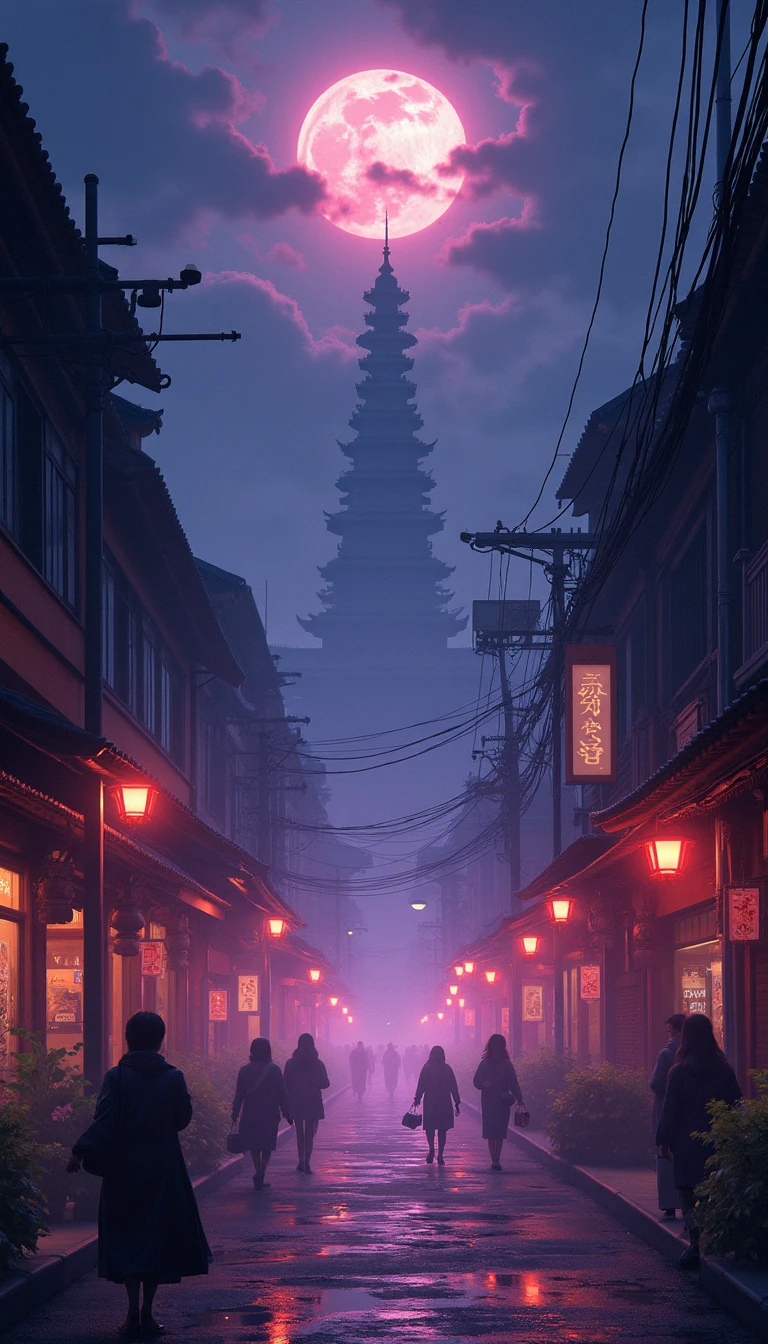
In short: The Tale of the Heike is to Japan what the Iliad is to the West. This medieval epic chronicles the rise and tragic fall of the Taira clan, blending martial heroism with Buddhist philosophy. It remains a foundational masterpiece, capturing the inevitable decline of the mighty like dust before the wind.
Compiled from oral traditions between 1190 and 1221, the Heike monogatari is not the work of a single author. Instead, it emerged as a collective masterpiece, likely shaped by biwa-playing bards who chanted these stories to the accompaniment of a four-stringed lute. While the scholar Yukinaga is often credited with the initial compilation around 1240, the definitive version was recorded in 1371 by a disciple of the blind priest Kakuichi. Its complex language, a blend of Chinese and Japanese, suggests it was crafted by those with deep literary training.
The narrative centers on the Genpei War (1180–1185), a brutal struggle for control between the Taira and Minamoto clans. The Taira, once all-powerful under the tyrannical Taira Kiyomori, are eventually undone by their own arrogance. The conflict culminates in the 1185 sea battle of Dannoura, where the seven-year-old emperor and numerous nobles perished. This defeat marked the end of Taira dominance and the rise of the Kamakura shogunate, the first samurai-led government in Japan.
Beyond its historical account of samurai warfare, the epic is deeply rooted in Buddhist thought. Its famous opening passage establishes the theme of mujō, or impermanence, asserting that even the most prosperous must decline. This philosophy frames the entire work, viewing the cruelty and glory of the samurai not just as martial history, but as a manifestation of karma. The characters' fates are tied to their actions, illustrating that power is as fleeting as a dream on a spring night.
The Tale of the Heike has profoundly influenced Japanese culture for centuries, serving as a prolific source for later dramas, ballads, and visual arts. Its enduring power lies in its dual nature: it simultaneously celebrates the aestheticized heroism of the warrior class and provides a somber meditation on the transience of human ambition. Whether through the lens of military history or religious reflection, the epic remains a cornerstone of medieval Japanese literature.
Opens the Intellect+ feed with this card first. Swipe up for the next one.
Sources
- Summary by Intellect · source: Heike monogatari | Japanese Epic, 12th Century, Tale of Heike | Britannica
- Also: The Tale of the Heike
To cite this card, link to https://intellectplus.co.uk/app/art-the-tale-of-the-heike.
How we source, check and correct cards: Editorial standards.
General information, not professional advice. Spotted an error? Flag the card or see corrections and complaints.
Intellect Plus is a visual educational discovery platform for exploring fascinating facts and ideas. Brain Food, Not Brain Rot. What is Intellect Plus?
Related
More in Literature · More in Art · Latest · A–Z · All topics
