Why Tsai Ming-liang’s films are defined by silence, alienation, and a single actor
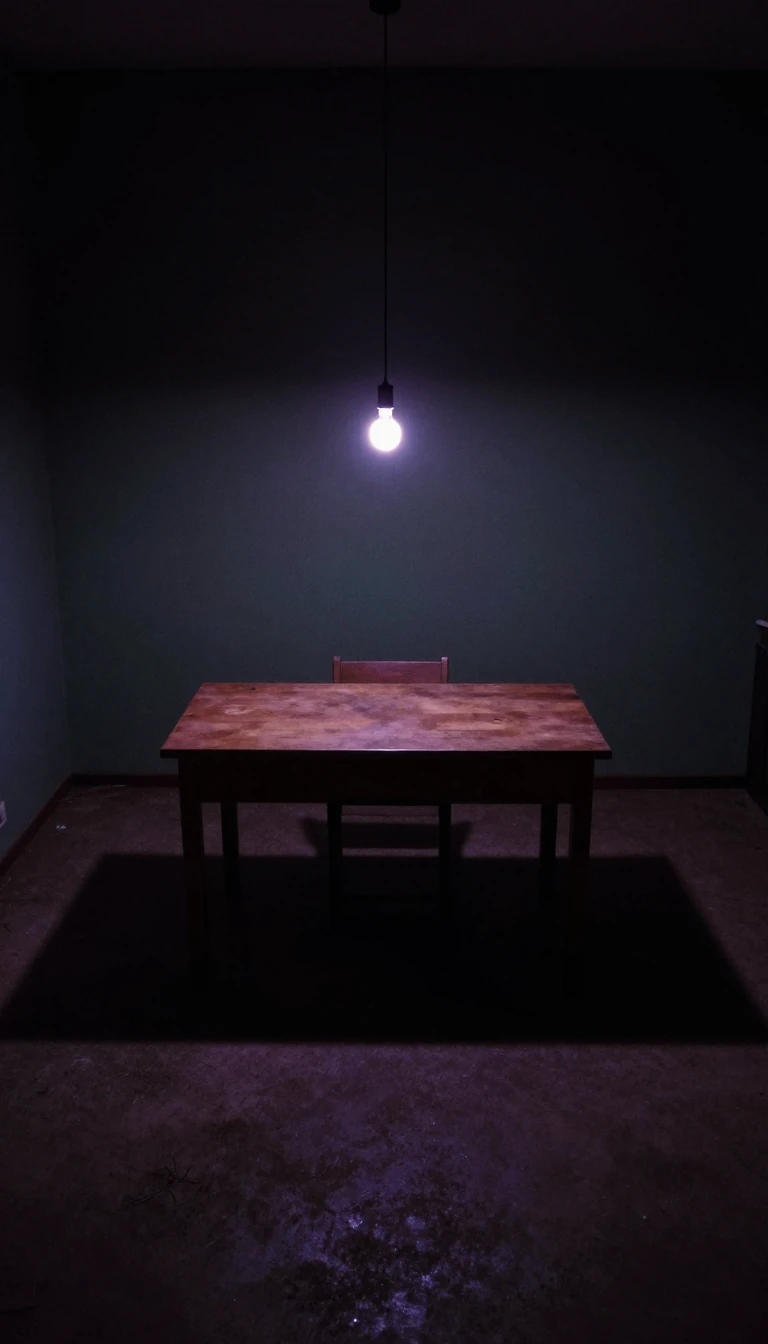
In short: A titan of Slow Cinema, Tsai Ming-liang has spent decades crafting meditative, dialogue-sparse masterpieces. From his Golden Lion-winning debut to his experimental installation series, his work is anchored by a lifelong collaboration with actor Lee Kang-sheng, exploring themes of displacement and the quiet, often lonely, rhythms of modern existence.
Born in Malaysia in 1957, Tsai Ming-liang moved to Taipei at age 20, a transition he credits with profoundly shaping his psyche. This sense of being an outsider—belonging neither to Malaysia nor Taiwan—permeates his filmography. After graduating from the Chinese Culture University in 1982, he built a career in television and theater before directing his first feature, Rebels of the Neon God, in 1992. That film introduced Lee Kang-sheng, who has starred in every one of Tsai’s feature films through 2023.
Tsai’s style is synonymous with the Slow Cinema movement. His films, such as the critically acclaimed Vive L'Amour (1994) and the meditative Goodbye, Dragon Inn (2003), are characterized by extreme patience, minimal dialogue, and a focus on urban alienation. In the 2010s, he shifted toward installation art, most notably with his Walker series, which depicts a monk—played by Lee—traversing busy environments at an agonizingly slow pace. His work has garnered international prestige, including the Golden Lion at the 51st Venice International Film Festival and the Silver Bear at the 47th Berlin International Film Festival.
Beyond the screen, Tsai’s life is as unconventional as his art. He lives in a partially renovated, dilapidated apartment complex in New Taipei City, sharing the space with Lee in a platonic partnership. Since the COVID-19 pandemic, he has also taken up painting. Whether he is capturing the isolation of a homeless family in Stray Dogs (2013) or documenting a woman visiting his own installation in Wandering (2021), Tsai remains a singular voice in global cinema, consistently challenging audiences to find meaning in the stillness of the frame.
Opens the Intellect+ feed with this card first. Swipe up for the next one.
Sources
- Summary by Intellect · source: Tsai Ming-liang
To cite this card, link to https://intellectplus.co.uk/app/art-tsai-ming-liang.
How we source, check and correct cards: Editorial standards.
General information, not professional advice. Spotted an error? Flag the card or see corrections and complaints.
Intellect Plus is a visual educational discovery platform for exploring fascinating facts and ideas. Brain Food, Not Brain Rot. What is Intellect Plus?
Related
More in Filmmakers and theatre directors · More in Art · Latest · A–Z · All topics
