Zelda Fitzgerald was more than a Jazz Age icon; she was a prolific, struggling artist.
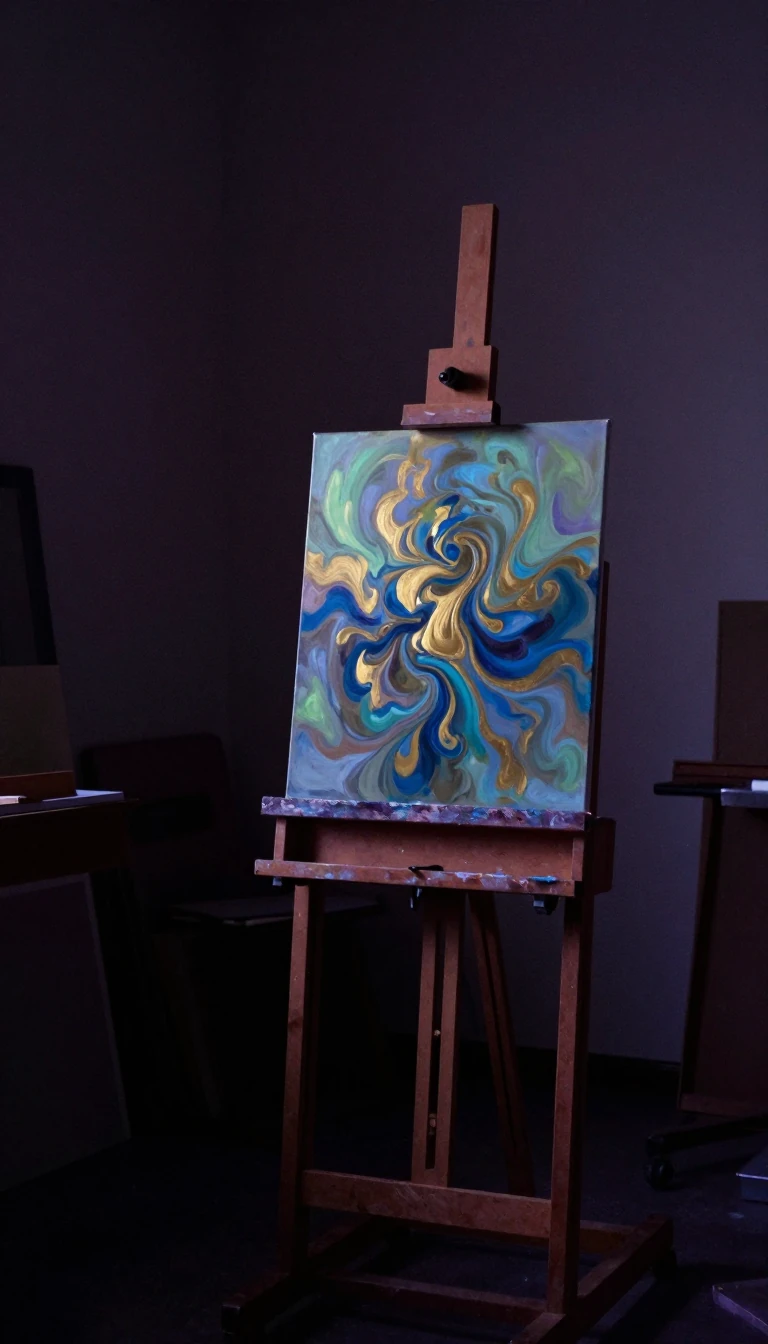
In short: Known as the first American flapper and the wife of F. Scott Fitzgerald, Zelda Fitzgerald lived a life defined by public excess and private turmoil. Beyond the headlines of the 1920s, she pursued painting, writing, and dance, leaving behind a complex legacy that scholars have only recently begun to fully re-examine.
Born in 1900 to a prominent Alabama family, Zelda Sayre became a symbol of the Jazz Age after marrying F. Scott Fitzgerald in 1920. The couple’s wild behavior, including public pranks and heavy drinking, earned them the reputation of enfants terribles in the national press. However, this public persona masked deep personal instability. Zelda struggled with mental health issues throughout her life, eventually receiving diagnoses of schizophrenia, though later experts have suggested bipolar disorder. Her life was marked by repeated institutionalization, electroshock therapy, and insulin shock treatments, which ultimately left her with severe memory loss.
Zelda’s creative output was often overshadowed by her husband’s career and their volatile marriage. She authored the semi-autobiographical novel Save Me the Waltz in 1932, which failed commercially and critically at the time. Following this disappointment, she turned to playwriting and painting. Her stage play, Scandalabra, was rejected by Broadway producers, and her 1934 exhibition of watercolors also met with poor reception. After Scott’s death in 1940, she attempted another novel, Caesar's Things, but her declining health prevented its completion. She died in a 1948 hospital fire in Asheville, North Carolina.
It was not until the 1970 biography by Nancy Milford that Zelda’s work received serious academic attention. Scholars began to analyze how her writing contrasted with Scott’s depictions of their marriage and how 1920s consumer culture impacted women. Her paintings have since been exhibited across the United States and Europe, and in 1992, she was honored with an induction into the Alabama Women's Hall of Fame. Today, her life is studied as a window into the pressures placed on modern women during the early twentieth century.
Opens the Intellect+ feed with this card first. Swipe up for the next one.
Sources
- Summary by Intellect · source: Zelda Fitzgerald
To cite this card, link to https://intellectplus.co.uk/app/art-zelda-fitzgerald.
How we source, check and correct cards: Editorial standards.
General information, not professional advice. Spotted an error? Flag the card or see corrections and complaints.
Intellect Plus is a visual educational discovery platform for exploring fascinating facts and ideas. Brain Food, Not Brain Rot. What is Intellect Plus?
Related
More in Visual artists · More in Art · Latest · A–Z · All topics
