Can a single novel capture the frantic, neon-lit collapse of 1930s Shanghai?
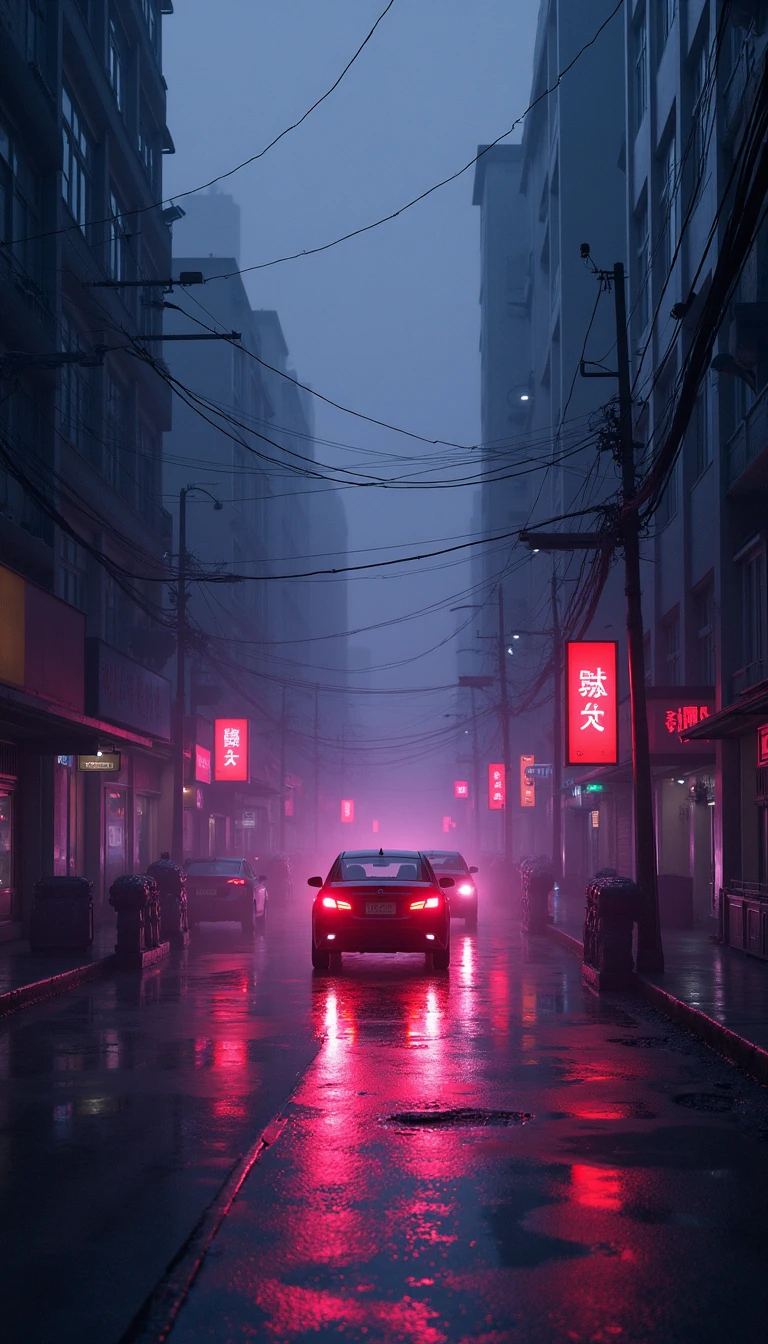
In short: Mao Dun’s 1933 masterpiece, Ziye, offers an unflinching look at a city caught between colonial influence and industrial decay. Through the eyes of an industrialist struggling against the Great Depression and civil war, the novel paints a vivid, purple-prose portrait of a world where traditional values collide with modern machinery.
Published in 1933, Ziye—often known by its English title, Midnight—stands as a definitive realist account of Shanghai during a period of intense transformation. Mao Dun meticulously documents the city’s rapid modernization, filling his narrative with the symbols of a new era: electric lights, Browning rifles, and the ubiquitous presence of 1930-model Citroens. The text is saturated with the markers of foreign influence, from the inclusion of English terms like beauty parlors to neon signs that broadcast slogans of power and heat.
At the heart of this sprawling narrative is Wu Sun-fu, a prominent industrialist whose ambition is tested by the harsh realities of the era. His struggle is framed by the shadow of his father, a member of the landed gentry who views the encroaching Western modernity with profound fear. This generational divide highlights the broader tension between the old China, rooted in the provinces, and the cosmopolitan, capitalist frenzy of Shanghai. As the Great Depression and the Chinese civil war converge, Wu is forced into uneasy alliances with foreign capitalists to keep his enterprise afloat.
Mao Dun’s prose is intentionally ornate, employing what critics describe as purple prose to mirror the excess and complexity of the city. The novel is also deeply intertextual, weaving in references to Shakespeare’s Love’s Labour’s Lost and The Tempest, as well as Walter Scott’s Ivanhoe. By grounding his story in such specific cultural and economic details, Mao Dun created a work so representative of its time that he was later honored with the establishment of the Mao Dun Literature Prize. Ziye remains a vital, if unsettling, record of a society unraveling under the weight of its own rapid, forced evolution.
Opens the Intellect+ feed with this card first. Swipe up for the next one.
Sources
- Summary by Intellect · source: Ziye
To cite this card, link to https://intellectplus.co.uk/app/art-ziye.
How we source, check and correct cards: Editorial standards.
General information, not professional advice. Spotted an error? Flag the card or see corrections and complaints.
Intellect Plus is a visual educational discovery platform for exploring fascinating facts and ideas. Brain Food, Not Brain Rot. What is Intellect Plus?
Related
More in Literature · More in Art · Latest · A–Z · All topics
