The decade that taught Hollywood how to look at smaller screens
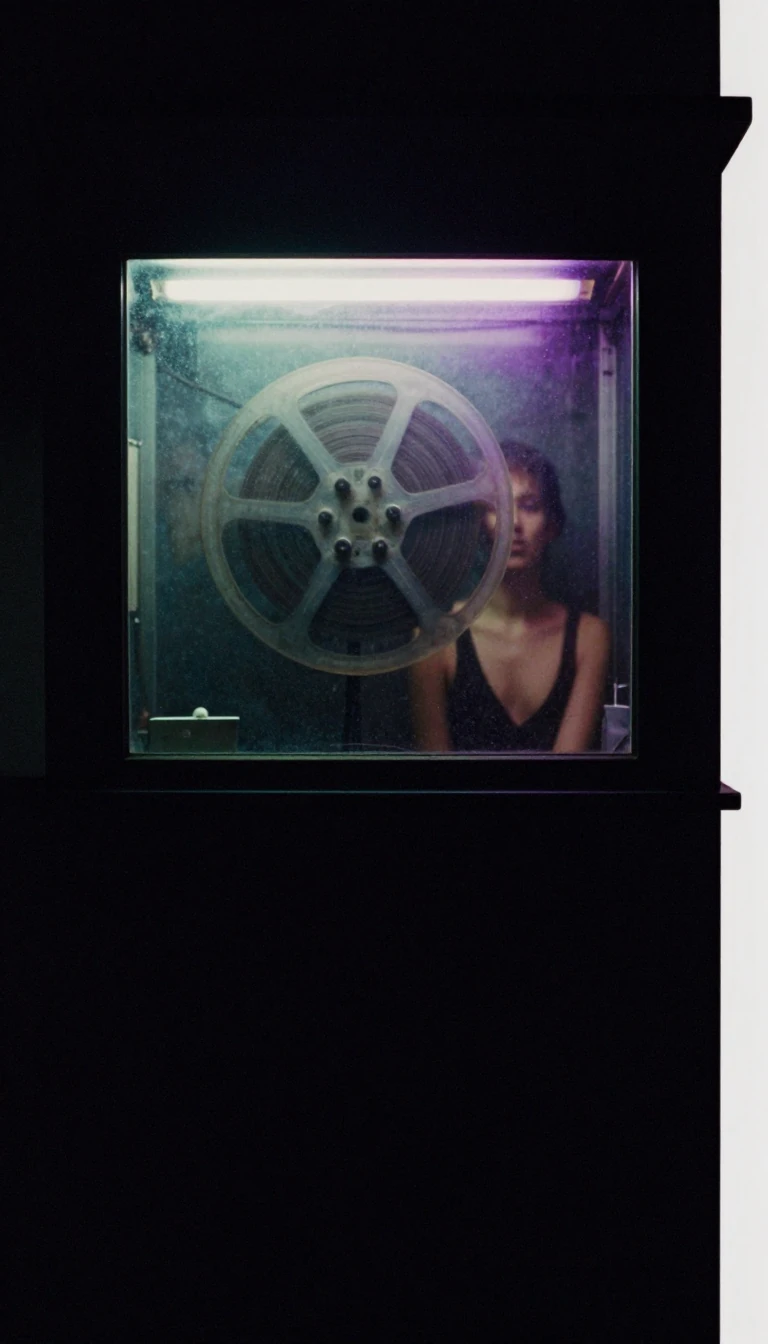
In short: In the 1990s, cinema underwent a structural metamorphosis. Filmmakers began tailoring visual language for the living room, while the home video market became so dominant it could double a movie's theatrical revenue. It was an era where high-tech CGI met low-budget indie grit, forever changing how we consume stories.
The 1990s marked a pivotal shift in distribution and aesthetics. Because home video became a primary revenue driver—often doubling the earnings of theatrical releases—studios began editing features specifically for television. This led to technical adjustments like increasing close-ups and reducing wide shots during dialogue to accommodate smaller screens. A notable example is Batman: Mask of the Phantasm, which was originally intended as a direct-to-video release.
Technologically, the decade served as a laboratory for visual effects. Industrial Light & Magic pioneered milestone CGI in hits like Terminator 2: Judgment Day and Jurassic Park. The landscape shifted permanently in 1995 when Pixar's Toy Story became the first feature film to be entirely computer-animated, establishing 3D graphics as a standard tool for cinematic storytelling.
Simultaneously, the 'indie boom' flourished. Low-budget auteurs like Quentin Tarantino and the Coen brothers, alongside mini-major studios like Miramax and New Line Cinema, proved that independent films could be highly profitable. This era also saw the rise of specific tropes: the 'Die Hard on a [location]' action formula, the revitalization of slashers through self-aware satire in Scream, and the influx of Hong Kong martial arts choreography into Hollywood blockbusters.
The decade was also defined by distinct brand movements, such as Disney's Renaissance (1989–1999) and a resurgence of disaster epics like Titanic and Independence Day. These trends were often shaped by cross-pollination with other media, including the influence of MTV music video directors on film aesthetics and the parody of animation conventions in Comedy Central's South Park: Bigger, Longer & Uncut.
Opens the Intellect+ feed with this card first. Swipe up for the next one.
Sources
- Summary by Intellect · source: 1990s in film
- Also: Wikidata — 1990s in film · CC0
To cite this card, link to https://intellectplus.co.uk/app/entertainment-1990s-in-film.
How we source, check and correct cards: Editorial standards.
General information, not professional advice. Spotted an error? Flag the card or see corrections and complaints.
Intellect Plus is a visual educational discovery platform for exploring fascinating facts and ideas. Brain Food, Not Brain Rot. What is Intellect Plus?
Related
More in Filmmaking · More in Entertainment · Latest · A–Z · All topics
