How a visionary director turned a drug-fueled nightmare into a rotoscoped masterpiece
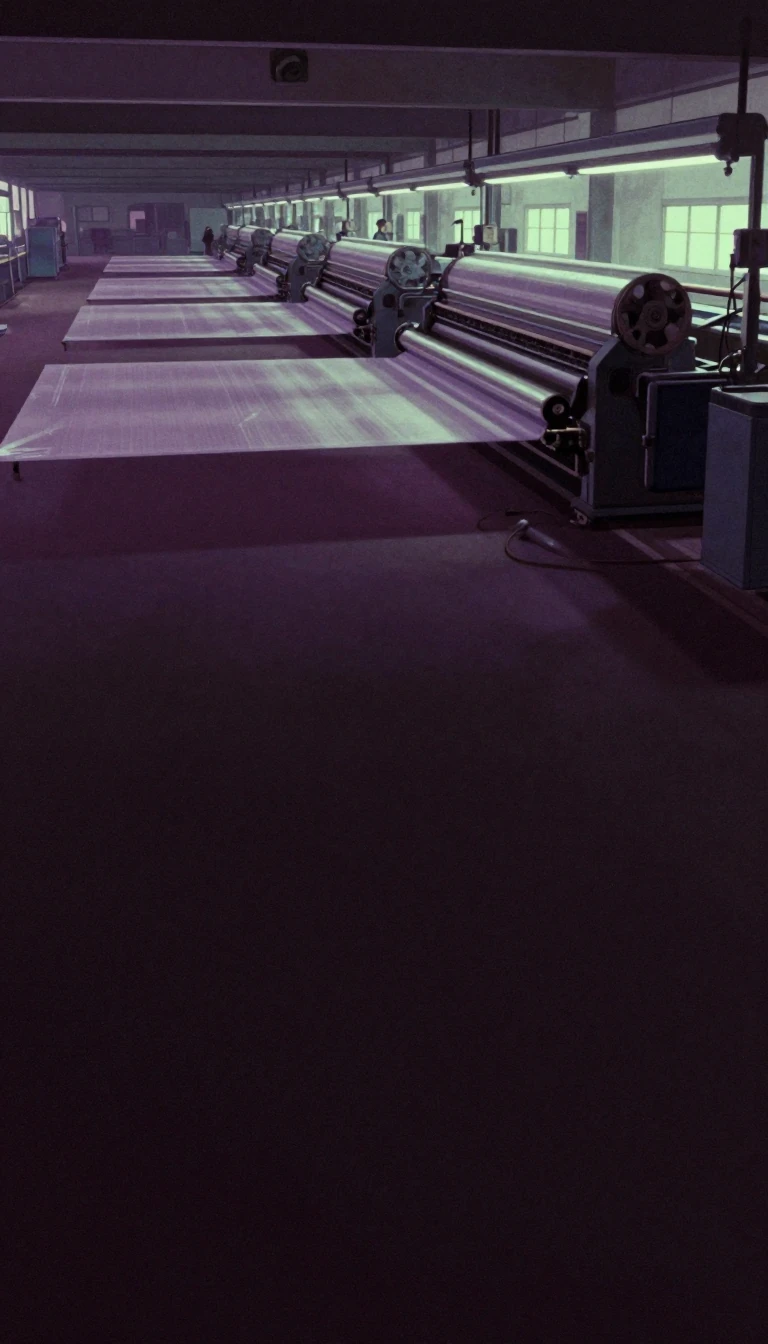
In short: Richard Linklater’s 2006 adaptation of Philip K. Dick’s novel uses interpolated rotoscoping to mirror the fractured reality of a near-future surveillance state. By tracing over live-action footage, the film creates a haunting, dreamlike aesthetic that perfectly captures the paranoia and cognitive decline of characters trapped in a losing war on drugs.
The production of A Scanner Darkly was as complex as its subject matter. Linklater, who had previously explored similar visual techniques in Waking Life, aimed to remain faithful to the source material while keeping the budget under $10 million. To achieve this, he utilized a proprietary software called Rotoshop, which allowed animators to trace over digital footage frame by frame. This process was intended to give the film a distinctive, surreal look that emphasized the characters' internal states rather than traditional action-movie spectacle.
The animation phase, however, proved to be a logistical ordeal. Originally scheduled for six months, the process stretched to 15 months as the production struggled with communication issues and a lack of experienced animators. In January 2005, the project underwent a management overhaul, with the studio seizing workstations and replacing the original animation team to implement a more rigid, deadline-driven workflow. Despite these behind-the-scenes tensions, the final result was praised for its visual ingenuity and its ability to translate the author's dark, intellectual tone to the screen.
The film’s narrative centers on Bob Arctor, an undercover agent who becomes addicted to the very substance he is tasked with investigating. As his brain deteriorates, he is forced to navigate a labyrinth of surveillance, scramble suits, and betrayal. The film’s score, composed by Graham Reynolds, further enhances this atmosphere, blending acoustic instruments with electronic effects to mirror the protagonist's descent. While it struggled at the box office, grossing about $7.6 million against an $8.7 million budget, it remains a significant experiment in adult-oriented animation.
Critics were divided on the film's effectiveness. Some lauded it as a brilliant, faithful adaptation that respected the audience's intelligence, while others felt the experimental visual style occasionally obscured the plot. Regardless of the mixed reception, the film stands as a bold attempt to visualize the psychological erosion caused by addiction and the invasive reach of a high-tech police state, cementing its place as a unique entry in science fiction cinema.
Opens the Intellect+ feed with this card first. Swipe up for the next one.
Sources
- Summary by Intellect · source: A Scanner Darkly (film)
- Also: Wikidata — A Scanner Darkly · CC0
To cite this card, link to https://intellectplus.co.uk/app/entertainment-a-scanner-darkly-film.
How we source, check and correct cards: Editorial standards.
General information, not professional advice. Spotted an error? Flag the card or see corrections and complaints.
Intellect Plus is a visual educational discovery platform for exploring fascinating facts and ideas. Brain Food, Not Brain Rot. What is Intellect Plus?
Related
More in Films · More in Entertainment · Latest · A–Z · All topics
