What really happened during Agatha Christie’s mysterious eleven-day disappearance in 1926?
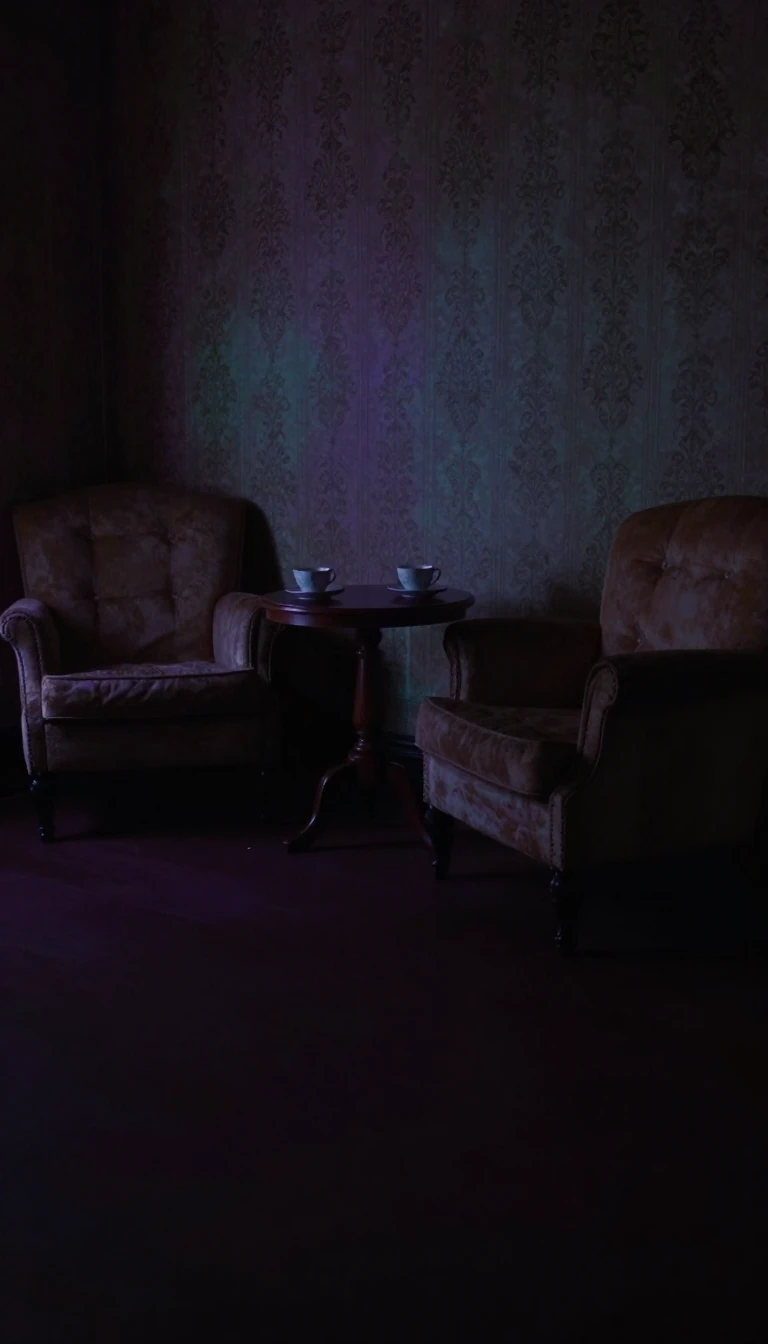
In short: In 1979, the film Agatha dramatized the famous real-life disappearance of the legendary crime novelist. While the mystery of her whereabouts remains a historical puzzle, the movie offers a stylish, fictionalized account of a woman pushed to the brink, blending period drama with the tension of a psychological thriller.
The 1979 film Agatha, directed by Michael Apted, explores the real-life 1926 disappearance of Agatha Christie. Written by Kathleen Tynan, the project originated as a BBC documentary before producer David Puttnam pushed for a feature film adaptation. The production faced significant hurdles, including opposition from the Agatha Christie estate and the withdrawal of initial financing from the Rank Organisation. When filming finally commenced in November 1977, the set was marked by internal friction, including actor disputes over script changes and legal battles involving Dustin Hoffman.
The narrative centers on a fictionalized version of Christie’s life, portraying her as a woman suffering in a crumbling marriage to Archie Christie, who demands a divorce to be with his mistress, Nancy Neele. After a car accident, Christie travels to the Harrogate Hydropathic Hotel under an alias. The plot introduces an American reporter, Wally Stanton, who tracks her down. The film culminates in a dramatic, high-stakes sequence involving a Bergonic chair and a near-fatal suicide attempt, which Stanton intervenes to prevent.
Critical reception of the film was mixed but generally appreciative of the performances. Vanessa Redgrave was widely praised for her portrayal of Christie, with critics like Gene Siskel calling her performance flawless. Dustin Hoffman’s turn as the American journalist also drew attention, though some reviewers, such as Roger Ebert and Vincent Canby, felt the central relationship lacked emotional depth. Despite its historical liberties and the skepticism of some critics regarding its narrative weight, the film remains a visually polished period piece that leans into the intrigue surrounding one of literature's most famous enigmas.
Opens the Intellect+ feed with this card first. Swipe up for the next one.
Sources
- Summary by Intellect · source: Agatha (film)
To cite this card, link to https://intellectplus.co.uk/app/entertainment-agatha-film.
How we source, check and correct cards: Editorial standards.
General information, not professional advice. Spotted an error? Flag the card or see corrections and complaints.
Intellect Plus is a visual educational discovery platform for exploring fascinating facts and ideas. Brain Food, Not Brain Rot. What is Intellect Plus?
Related
More in Films · More in Entertainment · Latest · A–Z · All topics
