Yasujirō Ozu's final masterpiece captures the quiet, inevitable loneliness of a life well lived
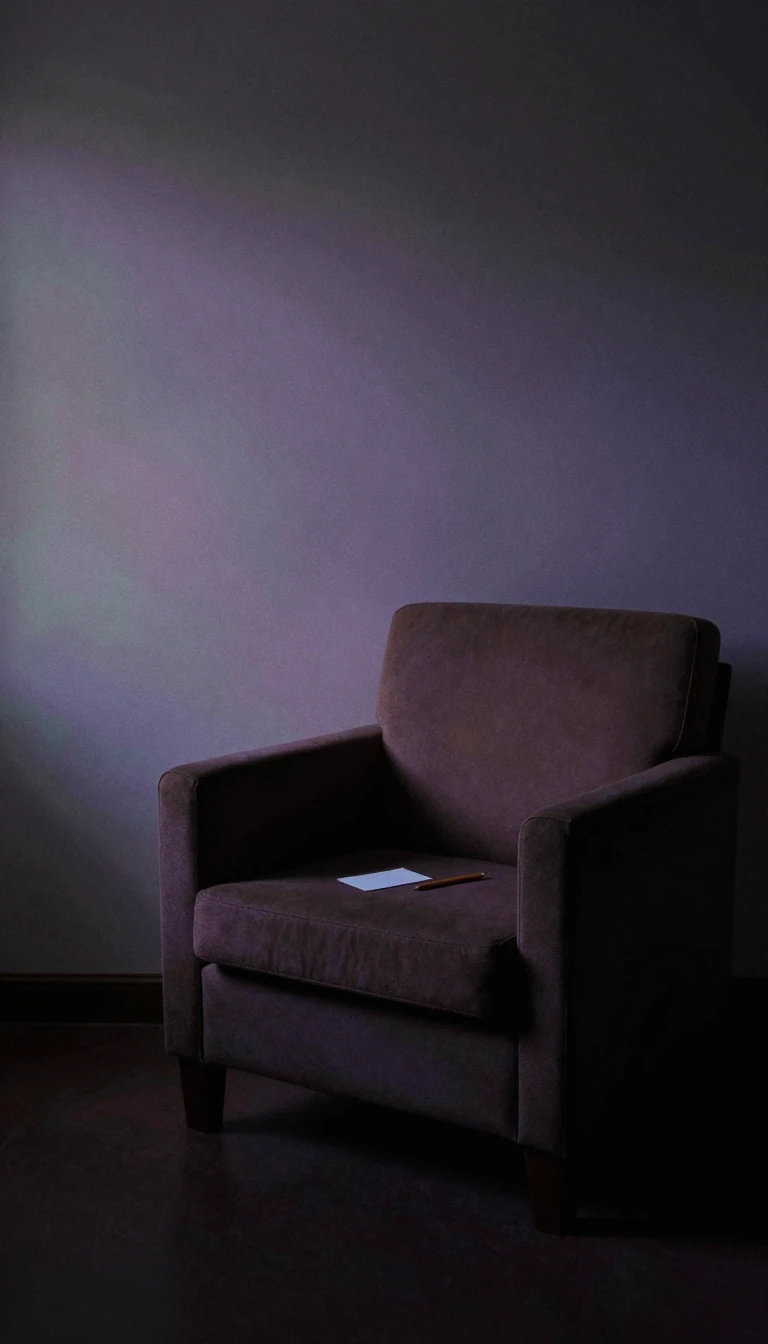
In short: Released in 1962, An Autumn Afternoon serves as the poignant swan song of director Yasujirō Ozu. This contemplative Japanese drama follows an aging widower navigating the transition of his children into adulthood, offering a profound, understated meditation on family duty, the passage of time, and the solitude that eventually finds us all.
The film centers on Shūhei Hirayama, a former naval officer and widower living in 1962 Tokyo. His life is defined by the domestic rhythms of caring for his unmarried children, Michiko and Kazuo, while maintaining reunions with old school friends. A pivotal encounter with a former teacher, who sacrificed his daughter's happiness to keep her by his side, forces Hirayama to confront his own selfishness. He realizes that by keeping Michiko at home to manage the household, he has inadvertently condemned her to a lonely existence, prompting him to arrange her marriage.
Ozu is celebrated for his unique narrative ellipses, and this film is no exception. The wedding ceremony itself is never shown; the audience is simply presented with Michiko in her traditional bridal attire, marking a sudden, irreversible shift in the family dynamic. The aftermath leaves Hirayama in an empty house, grappling with the reality of his new solitude. In the film's final, haunting scene, he returns home drunk, singing fragments of a patriotic wartime song before quietly acknowledging his state: "Alone, eh?"
The film's Japanese title, The Taste of Sanma, references the Pacific saury, a seasonal fish symbolizing autumn. This title, along with the French translation The Taste of Sake, originated from a poem Ozu wrote in his diaries following his mother's death. The work is widely considered a masterpiece, praised by critics like Roger Ebert for its profound understanding of human nature. Ozu died in 1963, on the day he turned 60, leaving behind a legacy of films that remain deeply respected for their ability to calm and restore the viewer through their gentle, non-dramatic observations of life.
Visually, the film marked a departure from Ozu's established aesthetic, utilizing Agfacolor and replacing the traditional sackcloth backdrop seen in his work since 1934 with painted fronds. Despite its age, the film continues to reach new audiences through restorations and releases by the Criterion Collection and the BFI, maintaining a 95% rating on Rotten Tomatoes.
Opens the Intellect+ feed with this card first. Swipe up for the next one.
Sources
- Summary by Intellect · source: An Autumn Afternoon
- Also: Wikidata — An Autumn Afternoon · CC0
- Also: Wikidata — An Autumn Afternoon · CC0
To cite this card, link to https://intellectplus.co.uk/app/entertainment-an-autumn-afternoon.
How we source, check and correct cards: Editorial standards.
General information, not professional advice. Spotted an error? Flag the card or see corrections and complaints.
Intellect Plus is a visual educational discovery platform for exploring fascinating facts and ideas. Brain Food, Not Brain Rot. What is Intellect Plus?
Related
More in Films · More in Entertainment · Latest · A–Z · All topics
