Why a 2010 horror film ditched the supernatural for a darker, internal hell
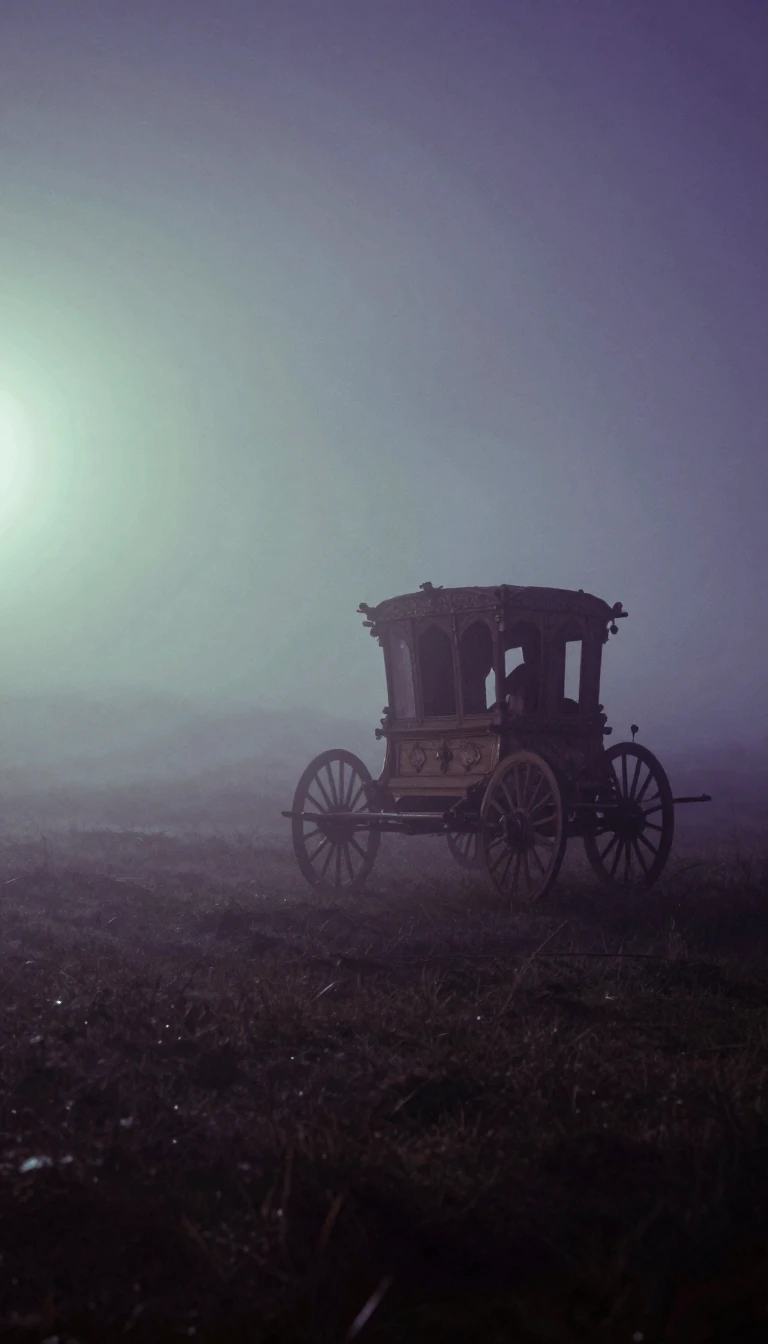
In short: Director Christopher Smith transformed the 2010 film Black Death from a standard supernatural thriller into a grounded, brutal parable. By stripping away literal demons in favor of human fundamentalism and psychological torment, Smith created a haunting exploration of faith, plague, and the darkness that persists across six centuries of history.
Set in 1348 during the height of the Black Death, the film follows a novice monk named Osmund who joins a group of soldiers on a mission to find a rumored necromancer in a remote, plague-free village. While the original screenplay by Dario Poloni leaned heavily into the supernatural—with characters literally encountering the Devil and Hell—director Christopher Smith insisted on a more realistic, gritty approach. He sought to explore the mindset of medieval people who viewed the plague as divine punishment or demonic torment, ultimately questioning whether the horrors they faced were real or merely projections of their own internal suffering.
The production itself was an unusual endeavor. Despite its English setting and cast, including Sean Bean and Eddie Redmayne, the film failed to secure UK financing and became a 100% German production, filmed on location at castles in Saxony-Anhalt and Brandenburg in early 2009. In a rare move for cinema, the entire film was shot in chronological order, allowing the narrative tension to build naturally. Smith’s influence was so profound that he significantly altered the second half of the script, replacing a supernatural climax with a bleak, human-centric ending that producers initially resisted but eventually approved just two days before filming the epilogue.
Critics have largely praised the film for its atmospheric, retro aesthetic, which relies on practical effects rather than CGI to evoke a fetid, ancient world. With a 71% approval rating on Rotten Tomatoes, the film is noted for its willingness to embrace moral ambiguity and visceral violence. By the story's end, the protagonist’s journey concludes not with a battle against literal evil, but with a descent into a cycle of cold, cruel obsession—a testament to Smith’s vision of hell as a state of mind rather than a physical destination.
Opens the Intellect+ feed with this card first. Swipe up for the next one.
Sources
- Summary by Intellect · source: Black Death (film)
To cite this card, link to https://intellectplus.co.uk/app/entertainment-black-death-film.
How we source, check and correct cards: Editorial standards.
General information, not professional advice. Spotted an error? Flag the card or see corrections and complaints.
Intellect Plus is a visual educational discovery platform for exploring fascinating facts and ideas. Brain Food, Not Brain Rot. What is Intellect Plus?
Related
More in Films · More in Entertainment · Latest · A–Z · All topics
