How a 2002 docudrama captured the raw immediacy of a historical tragedy
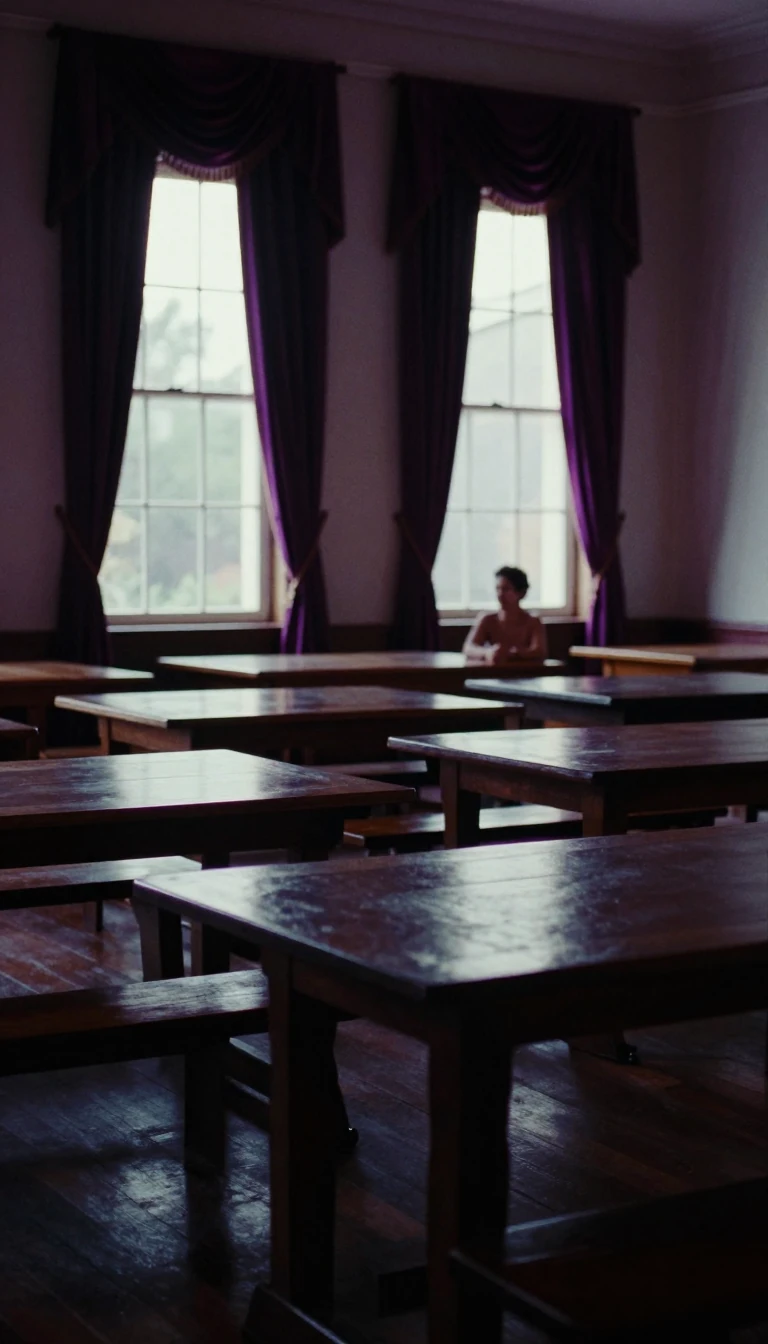
In short: Paul Greengrass’s film Bloody Sunday reconstructs the 1972 massacre in Derry with such visceral intensity that it earned universal acclaim. By blending historical reenactment with the perspectives of those on the ground, the production became a definitive cinematic account of a day that reshaped Northern Irish history and politics.
Released in 2002, Bloody Sunday was written and directed by Paul Greengrass to depict the events of 30 January 1972, when British Army paratroopers opened fire on civil rights marchers in Derry. The film draws heavily from Don Mullan’s 1997 book, Eyewitness Bloody Sunday, which was instrumental in prompting a new official inquiry into the tragedy. Greengrass sought authenticity by casting James Nesbitt as Ivan Cooper, a Protestant politician and key organizer of the march, and even invited Mullan to appear on screen as a priest.
The production process prioritized a documentary-like realism. Although the story is set in Derry, much of the filming took place in Ballymun, North Dublin, though the crew did capture some scenes in the actual locations of the 1972 march, such as Guildhall Square and Creggan. To further ground the narrative, the director cast former British Army members, including Simon Mann, to portray military figures. The cast also included personal connections to the event, such as Declan Duddy, who played his own uncle, Gerry Donaghy, one of the victims.
The film’s impact was immediate, winning the Golden Bear at the Berlin International Film Festival—sharing the honor with Spirited Away—and the Audience Award at Sundance. Critics praised its startling immediacy, reflected in a 92% approval rating on Rotten Tomatoes and a 90/100 score on Metacritic. Despite its success, the film faced some scrutiny; Jimmy McGovern, who released a competing project titled Sunday just one week later, argued that Greengrass focused too heavily on the march’s leadership rather than the experiences of the ordinary participants.
The tragedy itself resulted in thirteen deaths on the day, with a fourteenth victim succumbing to wounds months later, and fourteen others injured. The film concludes with a live recording of U2’s song Sunday Bloody Sunday, serving as the sole musical arrangement. By focusing on the granular details of the day, Greengrass created a work that remains a powerful, if contested, piece of historical storytelling.
Opens the Intellect+ feed with this card first. Swipe up for the next one.
Sources
- Summary by Intellect · source: Bloody Sunday (film)
To cite this card, link to https://intellectplus.co.uk/app/entertainment-bloody-sunday-film.
How we source, check and correct cards: Editorial standards.
General information, not professional advice. Spotted an error? Flag the card or see corrections and complaints.
Intellect Plus is a visual educational discovery platform for exploring fascinating facts and ideas. Brain Food, Not Brain Rot. What is Intellect Plus?
Related
More in Films · More in Entertainment · Latest · A–Z · All topics
