Why a 1980s-inspired heist film became a modern cult classic of Los Angeles noir
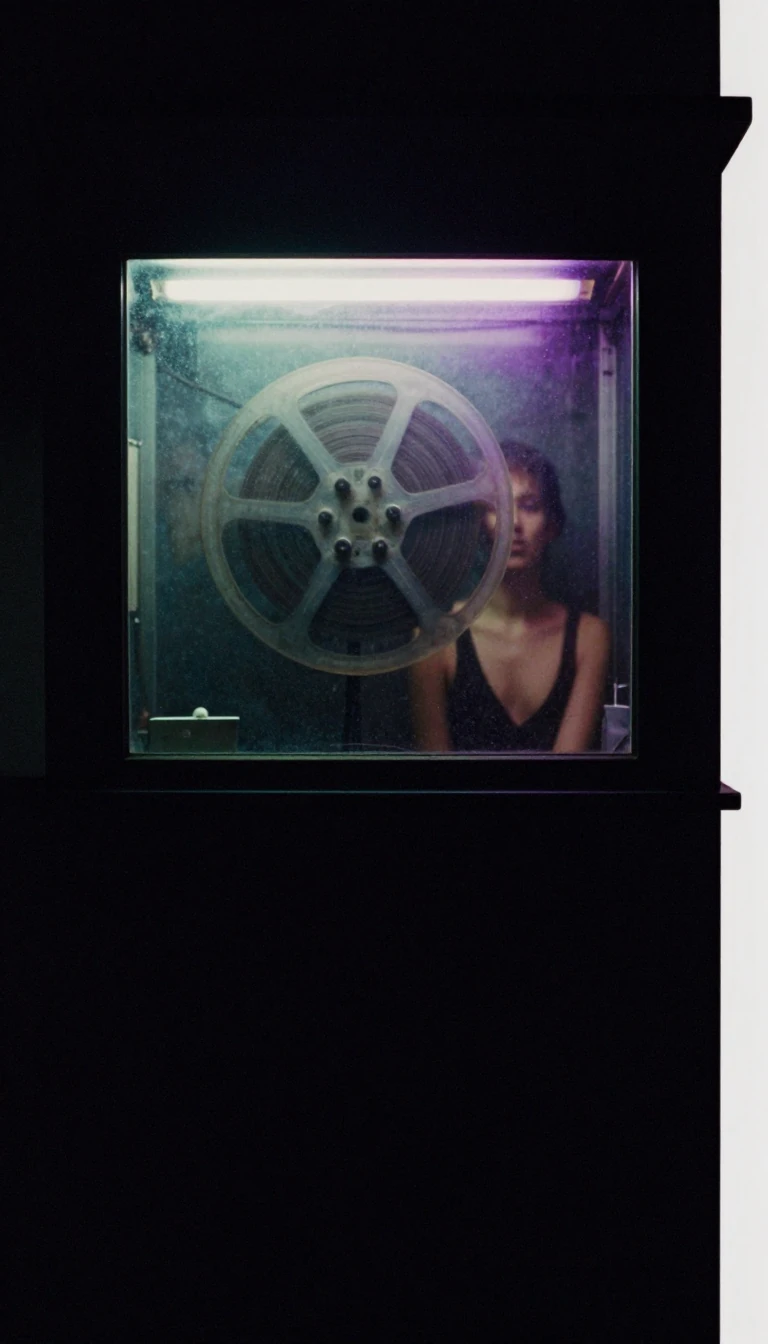
In short: Nicolas Winding Refn’s 2011 thriller Drive transformed a simple heist premise into a stylized, neon-soaked meditation on violence and romance. By stripping away dialogue and focusing on atmosphere, the production created a unique cinematic language that turned a $15 million budget into an enduring, critically acclaimed cult phenomenon.
The film’s journey began with James Sallis’s 2005 novel, which producers Marc Platt and Adam Siegel optioned for its minimalist, non-linear narrative. Ryan Gosling, cast as the lead, was given the rare authority to select his director. He chose Refn, a Danish filmmaker who envisioned the story not as a standard action flick, but as an existential character study. During production, the core team—including screenwriter Hossein Amini and actress Carey Mulligan—lived together in a Los Angeles home, immersing themselves in the project and refining the script to emphasize visual storytelling over exposition.
Refn’s approach to the film was deeply unconventional. He eschewed traditional casting tapes, preferring to meet actors personally. He famously cast Ron Perlman after learning the actor wanted to play a Jewish man who identified as an Italian gangster, and he selected Albert Brooks to play the villainous Bernie Rose to subvert audience expectations. To maintain a grounded, authentic aesthetic, the crew avoided CGI and relied on wide-angle lenses and practical effects. The film’s distinct 1980s atmosphere was achieved by carefully selecting locations that avoided modern architecture, favoring the drab, stucco-heavy commercial strips of Los Angeles.
The film’s defining moment—a brutal elevator sequence—was improvised during production. Refn sought to capture the Driver as both a romantic knight and a psychotic protector, using the scene to bridge the gap between tenderness and extreme violence. This commitment to visual metaphor extended to the car scenes, where Refn used a 'biscuit rig' to allow Gosling to focus on his performance while stunt driver Robert Nagle handled the mechanics. Despite some critics expressing concern over the film's graphic violence, it grossed over $81 million and earned Refn the Best Director Award at the 64th Cannes Film Festival, cementing its status as a landmark of modern neo-noir.
Opens the Intellect+ feed with this card first. Swipe up for the next one.
Sources
- Summary by Intellect · source: Drive (2011 film)
To cite this card, link to https://intellectplus.co.uk/app/entertainment-drive-2011-film.
How we source, check and correct cards: Editorial standards.
General information, not professional advice. Spotted an error? Flag the card or see corrections and complaints.
Intellect Plus is a visual educational discovery platform for exploring fascinating facts and ideas. Brain Food, Not Brain Rot. What is Intellect Plus?
Related
More in Films · More in Entertainment · Latest · A–Z · All topics
