How a 2002 drama uses 1950s cinematic artifice to expose mid-century American social taboos
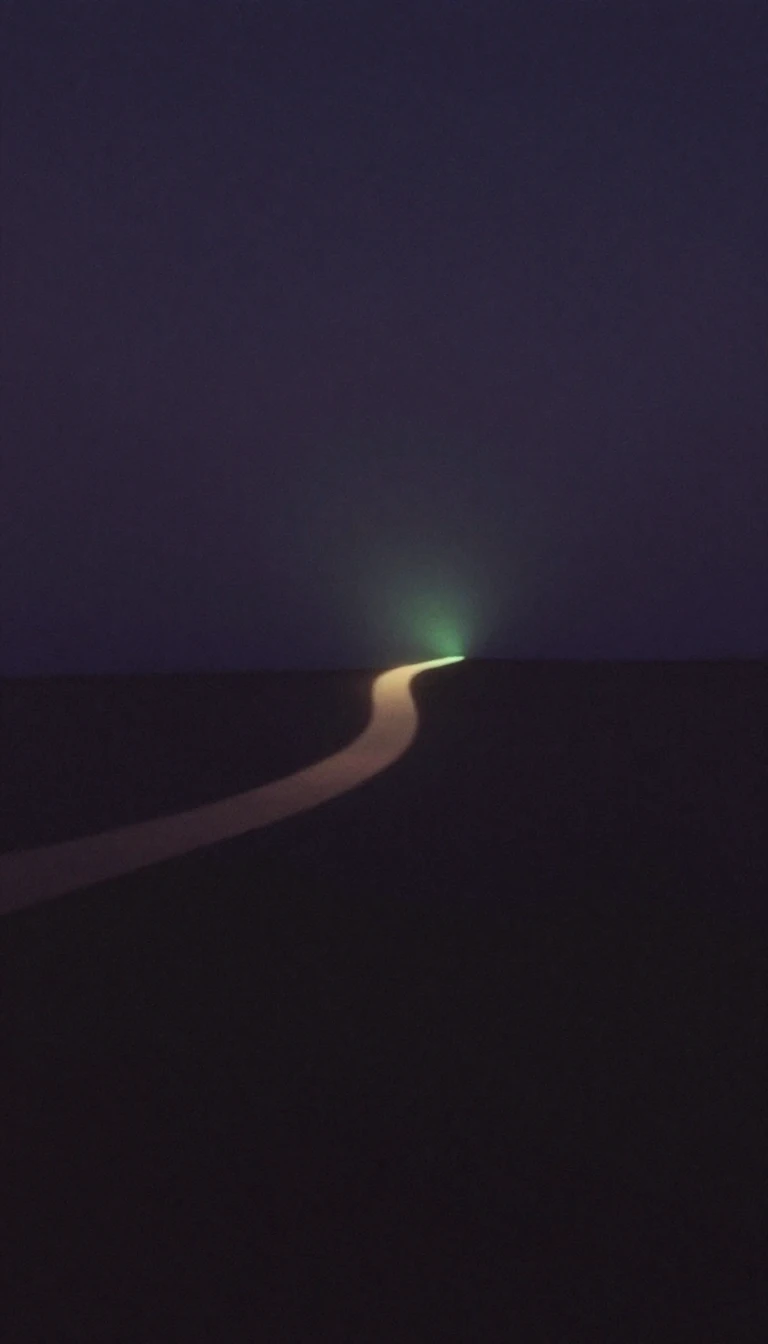
In short: Todd Haynes’ 2002 film Far from Heaven masterfully mimics the visual language of 1950s melodramas to dismantle the era’s polished facade. By adopting the aesthetic conventions of director Douglas Sirk, the film reveals the crushing weight of racial prejudice and hidden sexual identities lurking beneath a suburban, idealized American dream.
Set in 1957 Hartford, Connecticut, the story follows Cathy Whitaker, a homemaker whose life unravels when she discovers her husband Frank’s secret life in the city’s underground gay bars. As Frank struggles with his sexuality, Cathy finds unexpected solace in a friendship with Raymond Deagan, a Black man who has taken over his late father’s gardening duties. Their connection immediately triggers intense scrutiny and hostility from their affluent, segregated community.
Haynes deliberately utilizes the stylistic hallmarks of mid-century cinema to heighten the film’s emotional impact. Cinematographer Edward Lachman employed period-accurate lighting, lens filters, and rear-projection techniques, while composer Elmer Bernstein provided a score reminiscent of the era. The film’s color palette is equally calculated; vibrant, saturated colors often signal forbidden desires or mysterious settings, while cold blues underscore the bitterness and alienation within the Whitakers' failing marriage.
The film serves as a critical examination of social entrapment, drawing parallels between the policing of interracial relationships and the suppression of homosexuality. By placing these characters within a genre typically associated with romanticized domesticity, Haynes highlights the oppressive nature of 1950s social expectations. The narrative suggests that for individuals like Cathy and Frank, the very social prohibitions they face are what ultimately define the intensity of their personal experiences and desires.
While some critics, such as Stanley Kauffmann, argued that the film’s self-conscious imitation of Sirk’s style bordered on camp, others hailed it as a masterpiece of suburban alienation. The film received widespread acclaim, including four Academy Award nominations and numerous honors at the Venice Film Festival. It remains a significant work for its ability to use nostalgic, polished mechanisms to shatter the wholesome image of the past, proving that the reality of the era was far from the idealized version often portrayed in culture.
Opens the Intellect+ feed with this card first. Swipe up for the next one.
Sources
- Summary by Intellect · source: Far from Heaven
- Also: Far from Heaven
- Also: Wikidata — Far from Heaven · CC0
To cite this card, link to https://intellectplus.co.uk/app/entertainment-far-from-heaven.
How we source, check and correct cards: Editorial standards.
General information, not professional advice. Spotted an error? Flag the card or see corrections and complaints.
Intellect Plus is a visual educational discovery platform for exploring fascinating facts and ideas. Brain Food, Not Brain Rot. What is Intellect Plus?
Related
More in Films · More in Entertainment · Latest · A–Z · All topics
