How a 1971 British thriller turned a brutal northern cityscape into a cinematic masterpiece.
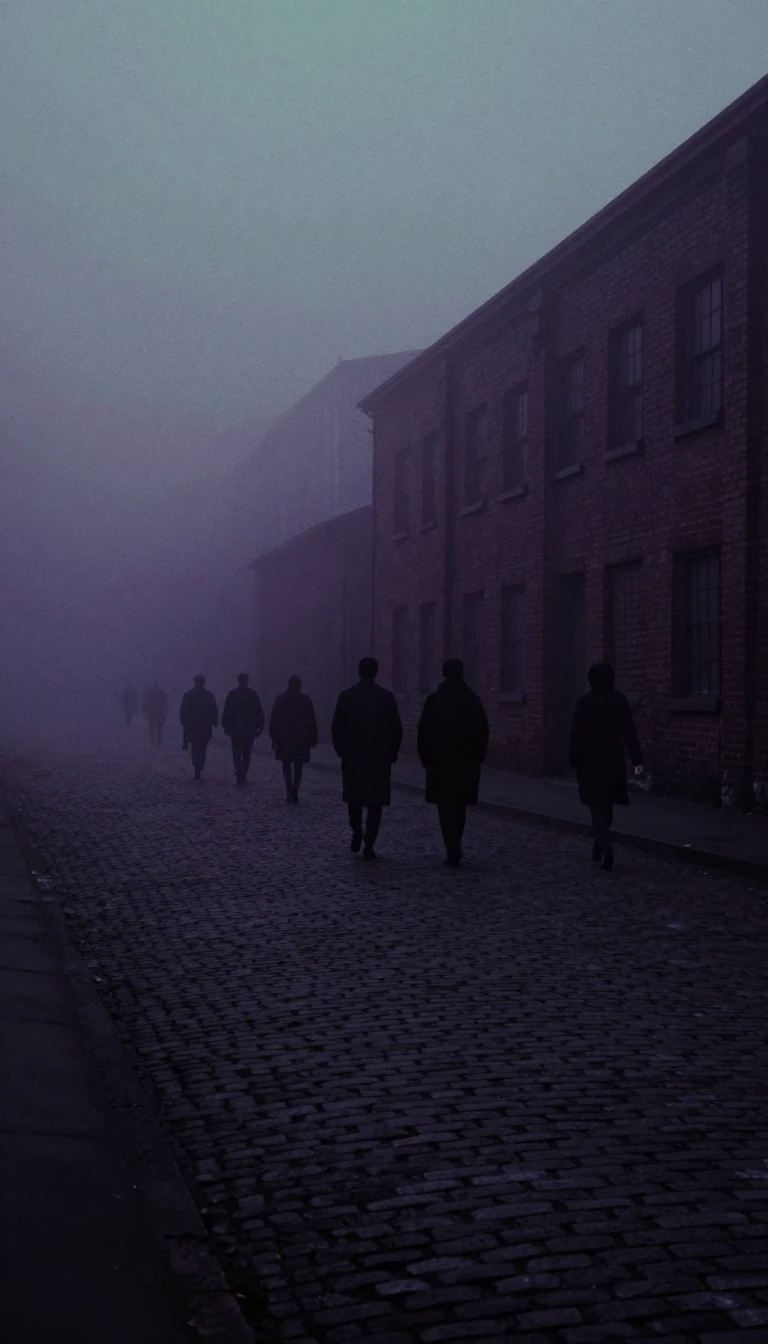
In short: When Michael Caine returned to his roots to film Get Carter, he helped redefine the British gangster genre. Eschewing the comedic tropes of the era, the film offered a cold, unflinching look at violence and class. It remains a landmark of gritty realism, born from a desperate studio's final project.
In 1970, producer Michael Klinger secured the rights to Ted Lewis’s novel Jack's Return Home, aiming to inject British crime cinema with the visceral intensity of American noir. He hired Mike Hodges, a director with a background in investigative television, to helm the project. Working on a modest budget for a struggling MGM, the production moved from concept to completion in just 10 months. Hodges chose Newcastle upon Tyne as the setting, using the city’s stark, Brutalist architecture—most notably the Trinity Square car park—to mirror the hardened, unforgiving nature of the protagonist, Jack Carter.
Michael Caine, who served as an uncredited co-producer, brought a personal intensity to the role. Having grown up in a working-class environment where he knew individuals involved in crime, Caine viewed Carter as a ghost of a path his own life might have taken. He stripped away the pleasantries from the script, crafting a character who was neither stupid nor funny, but a cold, efficient instrument of vengeance. This approach was a deliberate departure from the caricatures often found in British films of the time, which Caine felt failed to capture the true nature of the criminal underworld.
The film’s production was steeped in local reality. The location for the crime boss Cyril Kinnear’s estate was Dryderdale Hall, a house recently vacated by a businessman linked to the infamous 'one-armed bandit murder' of 1969. Hodges deliberately chose this site to imbue the film with an authentic, menacing atmosphere. While initial reviews were mixed, the film’s reputation grew over decades. By 2004, a survey of British critics in Total Film magazine named it the greatest British film of all time, cementing its status as a masterpiece of revenge tragedy and social autopsy.
Opens the Intellect+ feed with this card first. Swipe up for the next one.
Sources
- Summary by Intellect · source: Get Carter
- Also: Wikidata — Get Carter · CC0
- Also: Wikidata — Get Carter · CC0
To cite this card, link to https://intellectplus.co.uk/app/entertainment-get-carter.
How we source, check and correct cards: Editorial standards.
General information, not professional advice. Spotted an error? Flag the card or see corrections and complaints.
Intellect Plus is a visual educational discovery platform for exploring fascinating facts and ideas. Brain Food, Not Brain Rot. What is Intellect Plus?
Related
More in Films · More in Entertainment · Latest · A–Z · All topics
