Is romanticizing the past a dangerous trap for the modern dreamer?
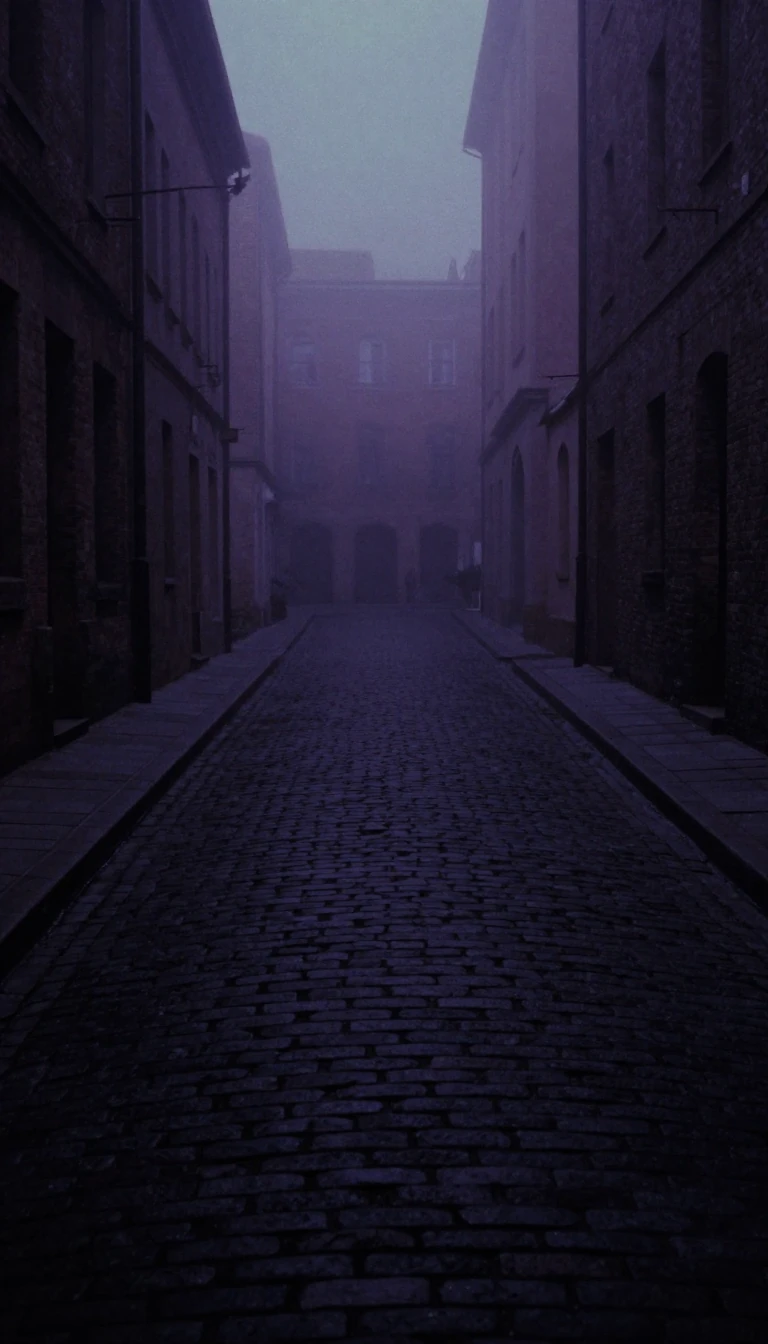
In short: Edgar Wright’s 2021 psychological horror film, Last Night in Soho, serves as a dark rebuke to nostalgia. By transporting a naive fashion student into a stylized, nightmarish version of the 1960s, the film explores the perils of idealizing a bygone era that was never as glamorous as it seemed.
Director Edgar Wright first conceived the idea for the film in 2007, drawing on his own childhood obsession with the 1960s. Raised in Somerset, he spent years listening to his parents' record collection and stories of their youth. However, these memories were complicated; his mother once recounted being harassed and chased out of Soho, a stark contrast to the romanticized version of the decade often depicted in pop culture. Wright intended the film to act as a 'dark valentine' to the neighborhood, specifically warning against the dangers of being overly nostalgic about previous decades.
The screenplay, co-written with Krysty Wilson-Cairns, was developed after the pair spent a night bar-crawling through Soho’s basement venues in 2016. They utilized research from casting director Lucy Pardee, who interviewed individuals who had lived and worked in the area during the 1960s. The resulting narrative follows Eloise, a student who experiences vivid, dreamlike visions of a singer named Sandie. As the plot unfolds, these visions reveal a grim reality of exploitation and murder, forcing Eloise to confront the violent history hidden beneath the surface of her idealized past.
The film, which grossed $23 million worldwide against a $43 million budget, received mixed critical reception. While reviewers widely praised the cinematography by Chung-hoon Chung, the production design, and the performances of Thomasin McKenzie and Anya Taylor-Joy, the writing—particularly the final act—faced scrutiny. Some critics felt the film struggled to balance its stylish, ambitious premise with its supernatural mystery. Despite these critiques, the film remains a notable exploration of trauma, ambition, and the consequences of projecting our own desires onto the history of others.
Opens the Intellect+ feed with this card first. Swipe up for the next one.
Sources
- Summary by Intellect · source: Last Night in Soho
- Also: Wikidata — Last Night in Soho · CC0
- Also: Wikidata — Last Night in Soho · CC0
To cite this card, link to https://intellectplus.co.uk/app/entertainment-last-night-in-soho.
How we source, check and correct cards: Editorial standards.
General information, not professional advice. Spotted an error? Flag the card or see corrections and complaints.
Intellect Plus is a visual educational discovery platform for exploring fascinating facts and ideas. Brain Food, Not Brain Rot. What is Intellect Plus?
Related
More in Films · More in Entertainment · Latest · A–Z · All topics
