How a 1967 French hitman film became the blueprint for modern cinematic cool
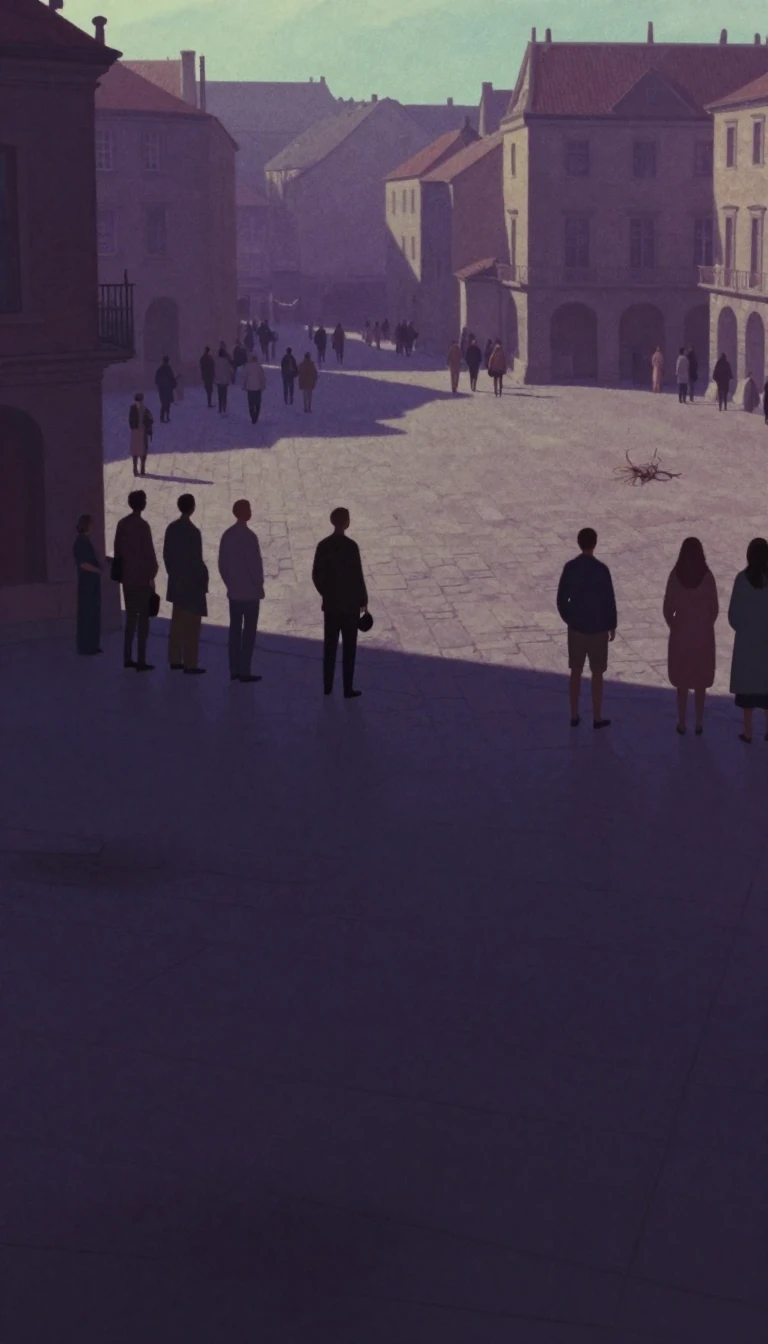
In short: Jean-Pierre Melville’s Le Samouraï redefined the antihero through Jef Costello, a silent, methodical assassin played by Alain Delon. With its spare aesthetic and cold, atmospheric tension, the film established a visual and narrative archetype that has echoed through decades of crime cinema, from Taxi Driver to John Wick.
Released in 1967, Le Samouraï follows Jef Costello, a professional hitman living in a spartan Parisian apartment with a pet bird. After a contract killing, Costello finds himself hunted by both the police and his own employers, who view him as a liability. The film is defined by its minimalism; Melville famously used light and color—specifically grays and blues—to convey a sense of isolation before a single word is spoken. Alain Delon’s performance as the stoic, taciturn killer became the definitive archetype of the silent antihero, a role that required him to communicate through gaze and movement rather than dialogue.
The production of the film was famously fraught. During the shoot, Melville’s private studio, Studios Jenner, was destroyed by a fire that the director deemed suspicious, forcing the team to finish elsewhere. Melville also originally filmed a death scene where Costello dies with a grin, but he modified it after discovering Delon had performed a similar scene in another project. The final result, featuring a protagonist who walks into a police ambush with an unloaded gun, remains a masterclass in fatalistic storytelling.
The film’s influence on global cinema is nearly unparalleled. Directors from Martin Scorsese to Quentin Tarantino and Michael Mann have cited Costello’s methodical, detached nature as a primary inspiration for their own iconic characters, including Travis Bickle, Neil McCauley, and the titular figures in Léon: The Professional and John Wick. Whether through the costume design of Reservoir Dogs or the rhythmic, slow-burn pacing of The Equalizer, Melville’s work continues to serve as a foundational text for filmmakers exploring the psyche of the lone wolf.
Opens the Intellect+ feed with this card first. Swipe up for the next one.
Sources
- Summary by Intellect · source: Le Samouraï
- Also: Wikidata — Le Samouraï · CC0
To cite this card, link to https://intellectplus.co.uk/app/entertainment-le-samoura.
How we source, check and correct cards: Editorial standards.
General information, not professional advice. Spotted an error? Flag the card or see corrections and complaints.
Intellect Plus is a visual educational discovery platform for exploring fascinating facts and ideas. Brain Food, Not Brain Rot. What is Intellect Plus?
Related
More in Films · More in Entertainment · Latest · A–Z · All topics
