How 125 artists turned 65,000 oil paintings into the world's first fully painted feature film.
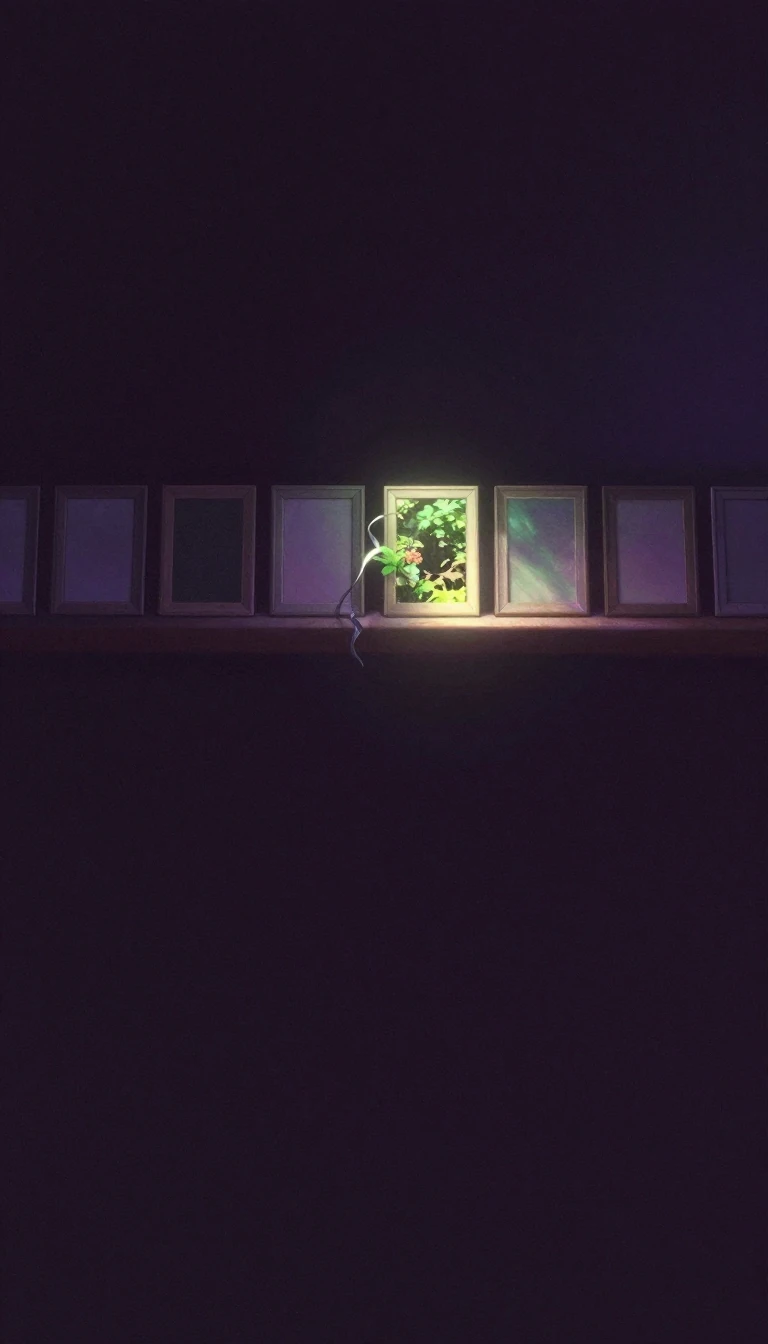
In short: Loving Vincent is a visual marvel that brings the post-impressionist world of Vincent van Gogh to life. By combining live-action performances with thousands of hand-painted oil frames, directors Dorota Kobiela and Hugh Welchman created a unique cinematic experience that challenges the boundaries between traditional animation and fine art.
Conceived in 2008 as a short film, Loving Vincent evolved into a massive international undertaking. The production process was notoriously laborious, requiring a team of 125 classically trained painters from over 20 countries. These artists were selected from a pool of 5,000 applicants to ensure they could replicate Van Gogh's distinct style without imposing their own artistic signatures. The result was the first fully painted feature film, a project that took six years to complete.
The technical execution involved a complex form of rotoscoping. First, the film was shot with a live-action cast against a green screen. These performances were then composited into backgrounds inspired by Van Gogh's actual paintings. Finally, each of the 65,000 frames was meticulously hand-painted onto canvas. Because the artists painted over their work as they progressed, only 1,000 of the original paintings survived the production. Hugh Welchman later described the process as the slowest form of filmmaking devised in 120 years.
The narrative follows Armand Roulin, who, one year after the artist's death, attempts to deliver Van Gogh's final letter to his brother, Theo. The investigation into the circumstances of Van Gogh's suicide leads Armand through a web of conflicting accounts from those who knew the painter, including Dr. Paul Gachet and his daughter, Marguerite. While the film received critical acclaim for its visual innovation—winning the Best Animated Feature at the 30th European Film Awards—some critics argued that the heavy reliance on dialogue occasionally distracted from the raw, material beauty of the painted imagery.
Commercially, the film was a success, grossing over $42.1 million worldwide against a budget of $5.5 million. It resonated particularly well in markets like China, where it earned $10.8 million. Despite the narrative being described by some as over-composed, the film remains a landmark achievement in animation, forcing audiences to reconsider the intersection of traditional painting and modern cinema.
Opens the Intellect+ feed with this card first. Swipe up for the next one.
Sources
- Summary by Intellect · source: Loving Vincent
- Also: Wikidata — Loving Vincent · CC0
- Also: Wikidata — Loving Vincent · CC0
To cite this card, link to https://intellectplus.co.uk/app/entertainment-loving-vincent.
How we source, check and correct cards: Editorial standards.
General information, not professional advice. Spotted an error? Flag the card or see corrections and complaints.
Intellect Plus is a visual educational discovery platform for exploring fascinating facts and ideas. Brain Food, Not Brain Rot. What is Intellect Plus?
Related
More in Animated series & cartoons · More in Entertainment · Latest · A–Z · All topics
