Bradley Cooper’s Maestro: A Complex Portrait of Leonard Bernstein’s Genius and Personal Turmoil
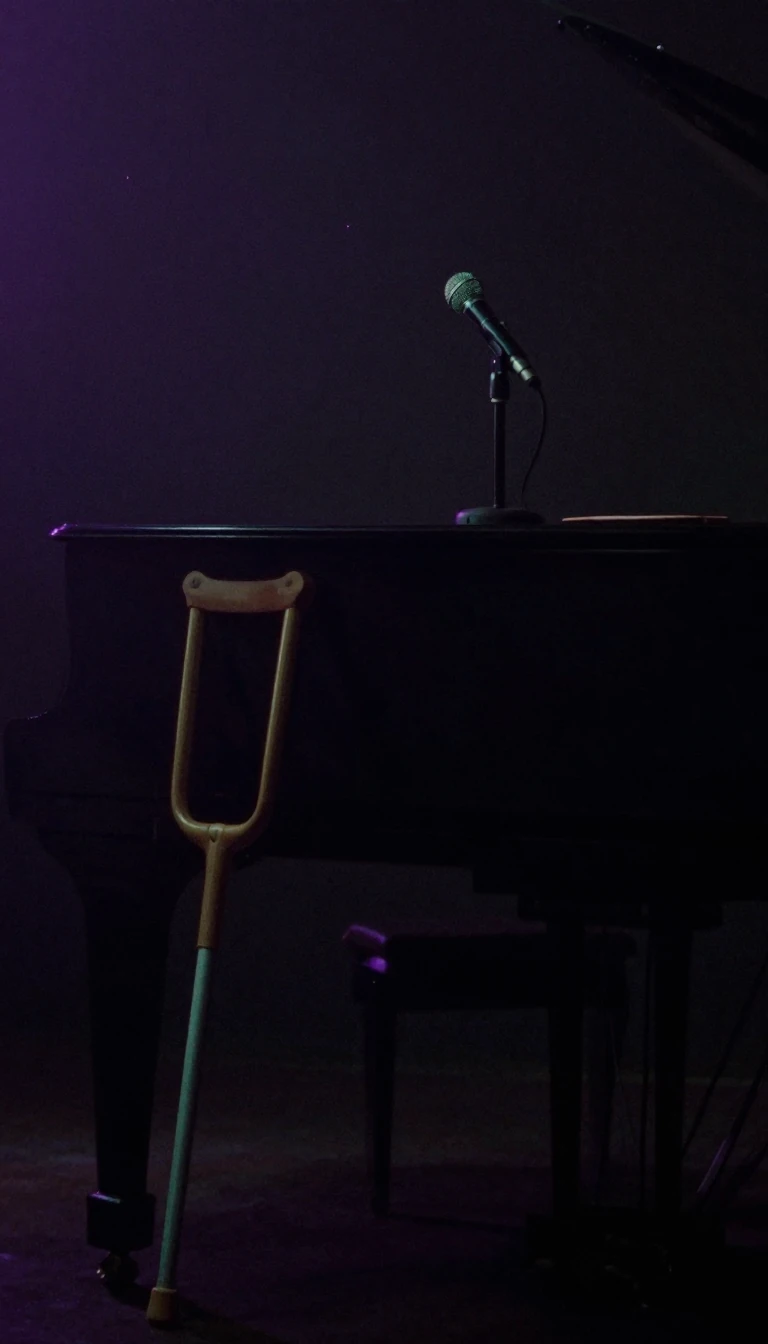
In short: Bradley Cooper’s biographical drama Maestro captures the turbulent marriage between composer Leonard Bernstein and Felicia Montealegre. Spanning decades, the film navigates Bernstein’s meteoric rise to fame, his struggles with identity, and the toll his personal life took on his family, all while sparking intense debate over its creative choices.
The journey to bring Leonard Bernstein’s life to the screen was a long one, beginning in 2008 when producers Fred Berner and Amy Durning secured the rights to his story. Initially, the project languished in development at Paramount Pictures, with directors like Martin Scorsese and Steven Spielberg attached at various stages. Bradley Cooper eventually took the helm after Spielberg was impressed by his 2018 directorial debut, A Star Is Born. Cooper not only directed the film but also co-wrote the screenplay and starred as the iconic conductor, marking his second time directing himself to an Academy Award nomination for Best Actor.
The film employs a non-linear structure, shifting between black-and-white and color to depict different eras of Bernstein’s life. It highlights his 1943 conducting debut, his marriage to Felicia, and his later years, including his 1973 performance of Mahler’s Resurrection Symphony at Ely Cathedral. The music, handpicked by Cooper, was performed by the London Symphony Orchestra under the guidance of Yannick Nézet-Séguin, who also coached Cooper on the art of conducting. The narrative does not shy away from the complexities of Bernstein’s life, addressing his substance abuse and his affairs with men, which created significant strain within his marriage.
Despite critical praise for the performances of Cooper and Carey Mulligan, the film faced controversy regarding the use of prosthetic makeup. Critics questioned the decision to use a large nose to portray the Jewish composer, labeling it as a form of ethnic caricature. However, Bernstein’s children defended the choice, noting their involvement in the process and their belief that their father would have approved. Makeup artist Kazu Hiro maintained that the goal was an authentic portrayal, aiming to find a balance between the likenesses of Bernstein and Cooper to capture the conductor's essence throughout his life.
Opens the Intellect+ feed with this card first. Swipe up for the next one.
Sources
- Summary by Intellect · source: Maestro (2023 film)
To cite this card, link to https://intellectplus.co.uk/app/entertainment-maestro-2023-film.
How we source, check and correct cards: Editorial standards.
General information, not professional advice. Spotted an error? Flag the card or see corrections and complaints.
Intellect Plus is a visual educational discovery platform for exploring fascinating facts and ideas. Brain Food, Not Brain Rot. What is Intellect Plus?
Related
More in Films · More in Entertainment · Latest · A–Z · All topics
