Why Jacques Tati’s masterpiece mocked the cold, geometric obsession of postwar modern living
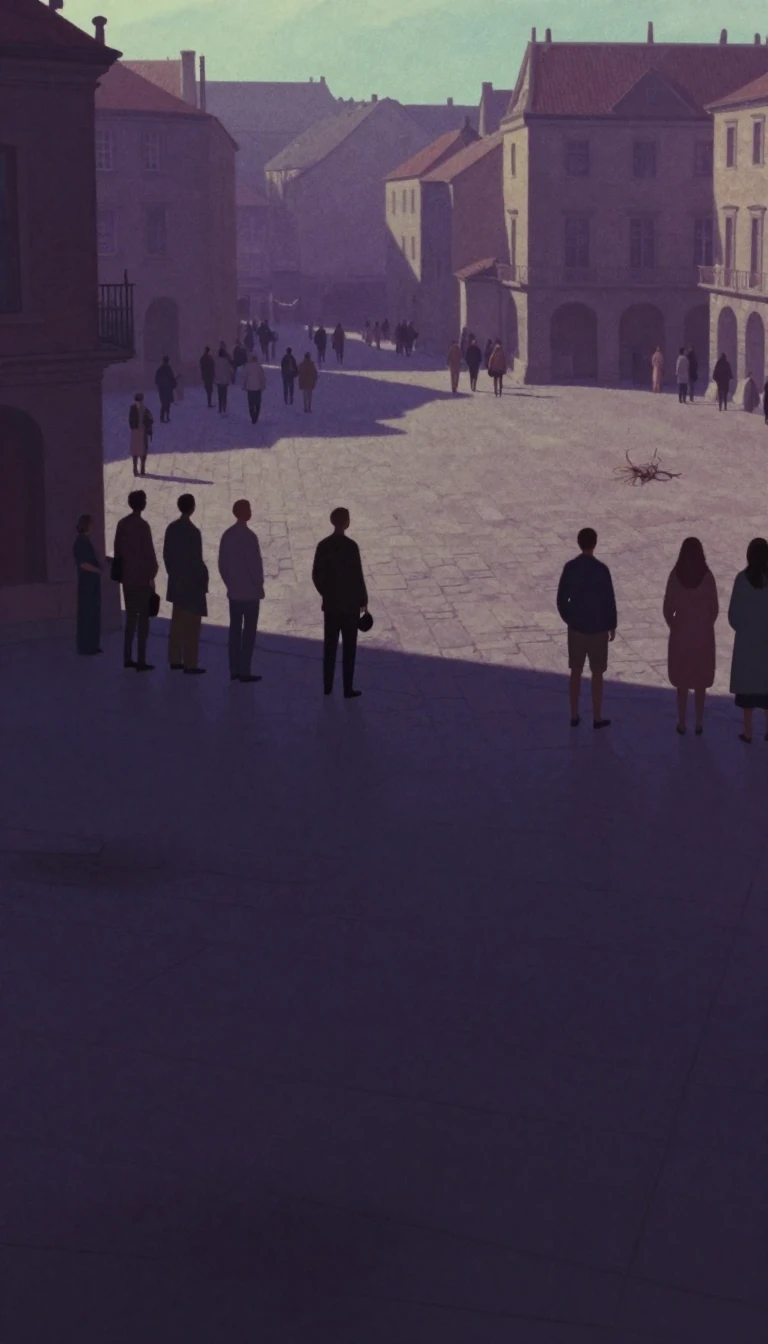
In short: In 1958, Jacques Tati released Mon Oncle, a visual comedy skewering the era's infatuation with mechanical efficiency and sterile modern architecture. Through the eyes of the lovable Monsieur Hulot, Tati exposed how a rigid devotion to superficial aesthetics and gadgets can strip away the warmth of human individuality.
Mon Oncle centers on the contrast between two worlds: the run-down, vibrant city district where the dreamy Monsieur Hulot lives, and the ultra-modern Villa Arpel. In this geometric suburb, Hulot’s nephew, Gérard, endures a machine-like existence with his parents. The house itself is a character, designed by Jacques Lagrange and built at Victorine Studios in 1956. Every feature, from its difficult furniture to its deafening kitchen appliances, prioritizes style over comfort, reflecting Tati’s belief that geometric lines do not produce likeable people.
The film’s humor relies on physical movement and a complex, immersive soundscape rather than traditional dialogue, which is intentionally subordinated to background noise. While the Arpels sacrifice their individuality to maintain social status, Hulot remains an impractical, adored outsider. This satire of consumerism and industrial modernization was initially denounced by some critics as reactionary, yet it became a massive success, drawing 4,576,928 admissions in France and winning the Academy Award for Best Foreign Language Film.
Tati’s approach invited comparisons to the work of Charlie Chaplin and René Clair, though critics like Bosley Crowther noted that Tati’s focus remained firmly on the human element rather than the machines themselves. Despite the film's success, it was a deliberate, meticulous production; an English-language version was filmed simultaneously, featuring slight staging differences and dubbed dialogue. Today, the film remains a celebrated critique of the era's obsession with status and the cold, impersonal nature of modern design.
Opens the Intellect+ feed with this card first. Swipe up for the next one.
Sources
- Summary by Intellect · source: Mon Oncle
- Also: Wikidata — Mon Oncle · CC0
To cite this card, link to https://intellectplus.co.uk/app/entertainment-mon-oncle.
How we source, check and correct cards: Editorial standards.
General information, not professional advice. Spotted an error? Flag the card or see corrections and complaints.
Intellect Plus is a visual educational discovery platform for exploring fascinating facts and ideas. Brain Food, Not Brain Rot. What is Intellect Plus?
Related
More in Films · More in Entertainment · Latest · A–Z · All topics
