Can a film be both a scientific lecture and a piece of fiction?
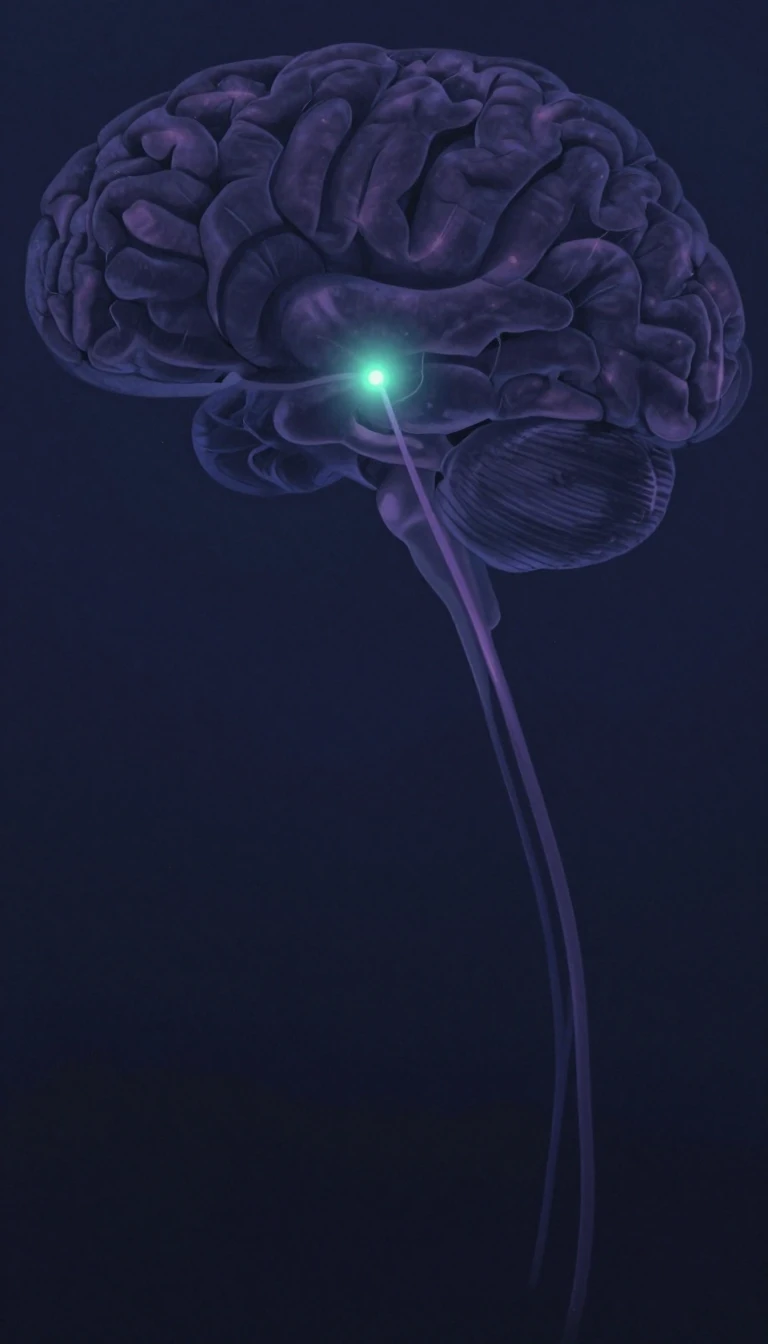
In short: Alain Resnais’ 1980 film My American Uncle attempts a radical experiment: juxtaposing a fictional drama with the neurobiological theories of Henri Laborit. By weaving together human behavior, animal instinct, and cinema, the film challenges viewers to decide whether science explains our lives or if we are simply watching a complex, beautiful collage.
The film emerged from a unique collaboration between director Alain Resnais and neurobiologist Henri Laborit. Originally intended as a documentary on memory enhancement, the project evolved into a feature film where documentary elements and fictional narratives coexist. Screenwriter Jean Gruault spent a year developing the stories of three characters—Jean, Janine, and René—whose lives intersect as they navigate career pressures and personal conflicts. Resnais deliberately filmed these stories independently of Laborit’s contributions, allowing the scientific commentary and the fiction to interact as a collage rather than a direct illustration.
Laborit’s theories, which categorize animal behavior into consumption, escape, struggle, and inhibition, serve as a catalyst for the film rather than a rigid framework. Resnais incorporated black-and-white clips of iconic actors like Jean Gabin and Danielle Darrieux to suggest that our behaviors are often modeled after cinematic archetypes. This structure invites the audience to engage in an active dialogue with the work, deciding for themselves whether the characters’ actions align with Laborit’s biological determinism or exist outside of it. The film’s epilogue, featuring a mural by Alan Sonfist, underscores this ambiguity, reflecting the brain's inherent difficulty in fully understanding reality.
Upon its 1980 release, the film achieved significant success, garnering over 1.3 million admissions in France and winning the Grand Prix at the Cannes Film Festival. Despite its popularity, critical reception remained divided. Some reviewers praised its wit and ambition, while others questioned whether the scientific and fictional elements truly integrated. Resnais remained clear about his intentions, stating that he did not seek to popularize Laborit’s work or provide a systematic explanation of human behavior. Instead, he aimed to offer viewers the freedom to construct their own meaning, using the film as a tool to reflect on their own habits and automatic responses.
Opens the Intellect+ feed with this card first. Swipe up for the next one.
Sources
- Summary by Intellect · source: My American Uncle
- Also: Wikidata — My American Uncle · CC0
To cite this card, link to https://intellectplus.co.uk/app/entertainment-my-american-uncle.
How we source, check and correct cards: Editorial standards.
General information, not professional advice. Spotted an error? Flag the card or see corrections and complaints.
Intellect Plus is a visual educational discovery platform for exploring fascinating facts and ideas. Brain Food, Not Brain Rot. What is Intellect Plus?
Related
More in Films · More in Entertainment · Latest · A–Z · All topics
