Why a 1975 Australian mystery film famously infuriated American distributors with its lack of resolution.
In short: Peter Weir's 1975 masterpiece, Picnic at Hanging Rock, follows the disappearance of schoolgirls in the Australian wilderness. While it became a landmark of the Australian New Wave, its refusal to explain the central mystery famously caused one American distributor to throw his coffee cup at the screen in pure frustration.
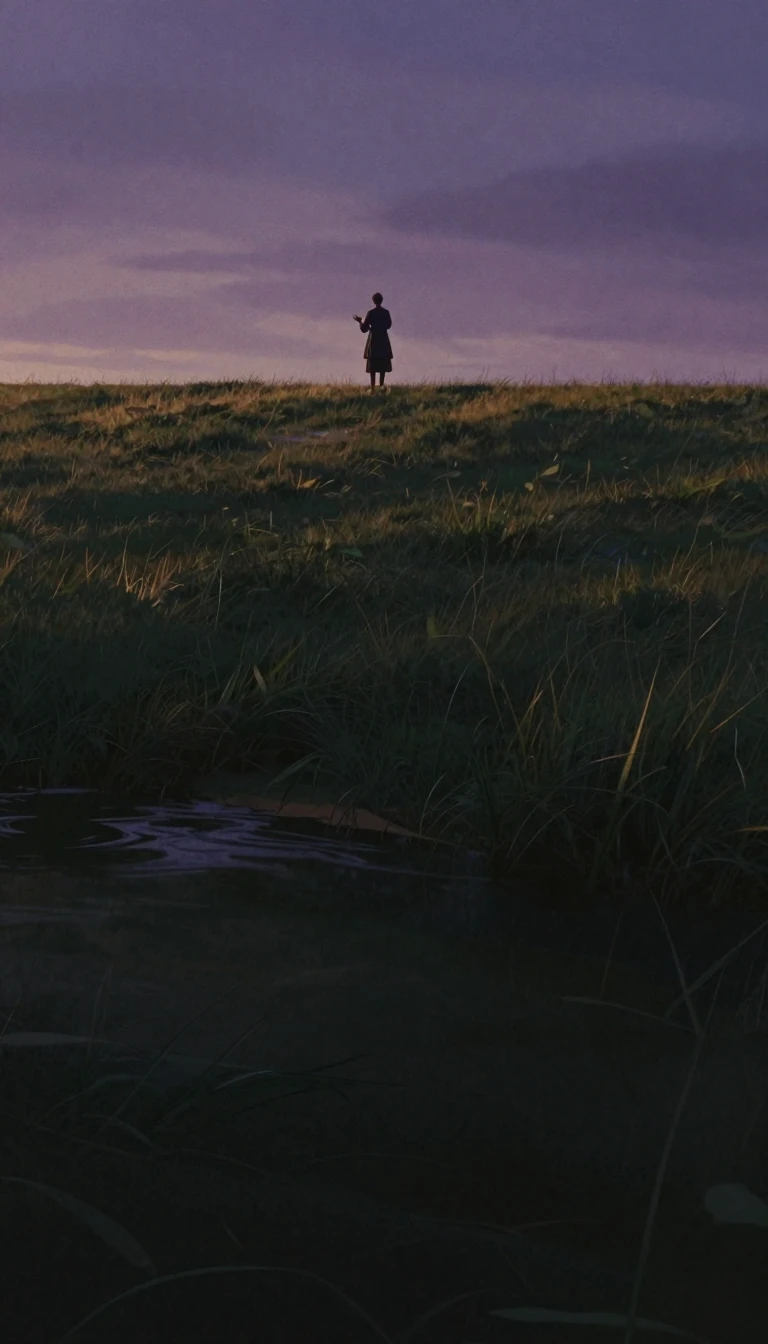
Set on Valentine's Day in 1900, the film depicts a group of students from Appleyard College who vanish while exploring a geological formation known as Hanging Rock. The narrative focuses on the psychological unraveling of the local community, including the school's headmistress, Mrs. Appleyard, and a young Englishman named Michael Fitzhubert who becomes obsessed with the missing girls. The film is celebrated for its ethereal, dreamlike aesthetic, achieved by cinematographer Russell Boyd, who placed bridal veil fabric over his camera lens to mimic the soft-focus style of 19th-century Heidelberg School impressionist painters.
The production was marked by an eerie atmosphere that affected the cast and crew. Director Peter Weir noted that while the team initially approached the work with humor, the mood shifted once they began filming on location. The area felt oppressive and depressing, leaving everyone nervous and eager to depart. This haunting quality extended to the performances; Weir cast young actresses for their innocent appearance, even secretly dubbing their dialogue with professional voice actors to maintain a specific, otherworldly tone.
Despite its initial reception as an frustratingly unresolved mystery, the film eventually earned universal acclaim. It grossed over 5 million Australian dollars and was voted the best Australian film of all time in a 1996 poll. Its influence remains profound, shaping the work of directors like Sofia Coppola and Damon Lindelof. By eschewing conventional horror tropes in favor of artistic ambiguity, the film invites audiences to interpret its mysteries themselves, cementing its status as a foundational work of cinema that continues to provoke and enchant.
The film's legacy is sustained by ongoing restorations, including a 2025 4K release, and its status as a cultural touchstone. Whether viewed as a meditation on the chasm between European settlers and the ancient Australian landscape or as a study of adolescent sexuality and death, the film remains a masterclass in atmospheric storytelling. It proves that a story does not need a tidy conclusion to leave a lasting, haunting impact on its audience.
Opens the Intellect+ feed with this card first. Swipe up for the next one.
Sources
- Summary by Intellect · source: Picnic at Hanging Rock (film)
- Also: Wikidata — Picnic at Hanging Rock · CC0
To cite this card, link to https://intellectplus.co.uk/app/entertainment-picnic-at-hanging-rock-film.
How we source, check and correct cards: Editorial standards.
General information, not professional advice. Spotted an error? Flag the card or see corrections and complaints.
Intellect Plus is a visual educational discovery platform for exploring fascinating facts and ideas. Brain Food, Not Brain Rot. What is Intellect Plus?
Related
More in Films · More in Entertainment · Latest · A–Z · All topics
