The Soviet film that turned street gangs into socialist citizens through labor and sound
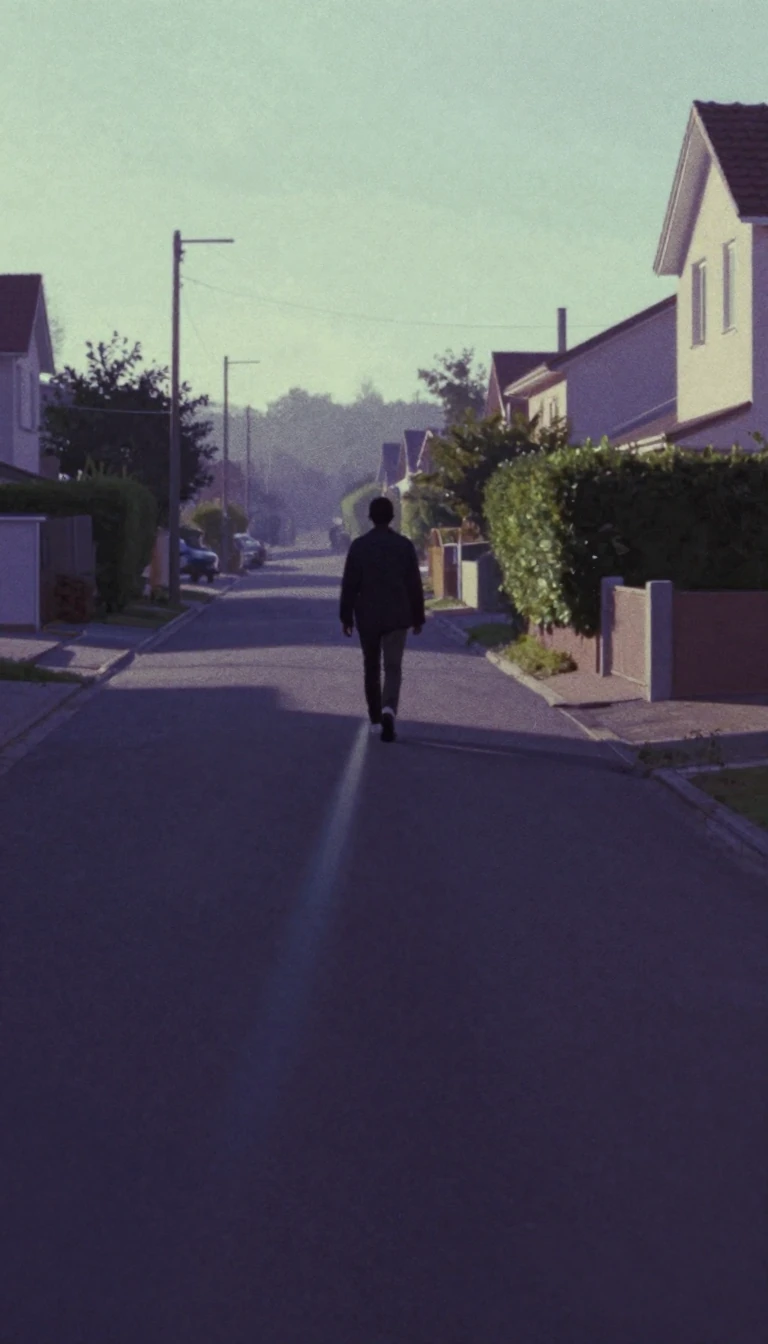
In short: Road to Life, the 1931 Soviet crime drama, made history as the nation's first talking picture. Beyond its technical innovation, it captured the gritty reality of Moscow's homeless youth and the ambitious, often brutal, state experiments designed to transform street-hardened thieves into productive, self-sustaining members of a new society.
Directed by Nikolai Ekk, Road to Life depicts the 1923 crackdown on Moscow's bezprizorniks—homeless children living in gangs. The narrative follows the character Sergeev, who proposes an alternative to traditional incarceration: a labor commune where former street kids learn trades like carpentry and shoemaking. While the film portrays this as a path to honest citizenship, it acknowledges that the transition from petty crime to hard work was far from seamless.
The production itself was deeply intertwined with the reality it depicted. Much of the film was shot at the actual Bolshevskaya labor commune, established in February 1924. This facility was named after Genrikh Yagoda, a high-ranking official whose patronage provided the commune with significant advantages. The film serves as a historical record of the era's street culture, including the specific slang used by thieves, and utilized the Soviet-developed tagephone sound technology.
The legacy of the film and the commune took a dark turn following the political purges of the 1930s. After Yagoda was arrested in April 1937, the Bolshevskaya commune was dismantled, and its leader, Matvei Pogrebinsky, died by suicide. Authorities purged literature related to the commune from libraries, yet the film remained in circulation due to its international prestige. While the movie survived, censors systematically excised all references to the commune from the footage, effectively erasing the real-world institution that inspired the story.
Despite the political erasure of its setting, the film achieved lasting acclaim. It earned Nikolai Ekk the award for Most Convincing Director at the 1st Venice International Film Festival in 1932, marking the first time a Soviet director received such an honor at a film festival. It remains a significant artifact of the Mezhrabpom-Rus studio, one of the final private production houses operating in the Soviet Union.
Opens the Intellect+ feed with this card first. Swipe up for the next one.
Sources
- Summary by Intellect · source: Road to Life (1931 film)
- Also: Nikolai Ekk: Road to Life (1931) | Seventeen Moments in Soviet History
To cite this card, link to https://intellectplus.co.uk/app/entertainment-road-to-life-1931-film.
How we source, check and correct cards: Editorial standards.
General information, not professional advice. Spotted an error? Flag the card or see corrections and complaints.
Intellect Plus is a visual educational discovery platform for exploring fascinating facts and ideas. Brain Food, Not Brain Rot. What is Intellect Plus?
Related
More in Films · More in Entertainment · Latest · A–Z · All topics
