Rudyard Kipling’s Jungle Book is a grim fable, not a Disney musical
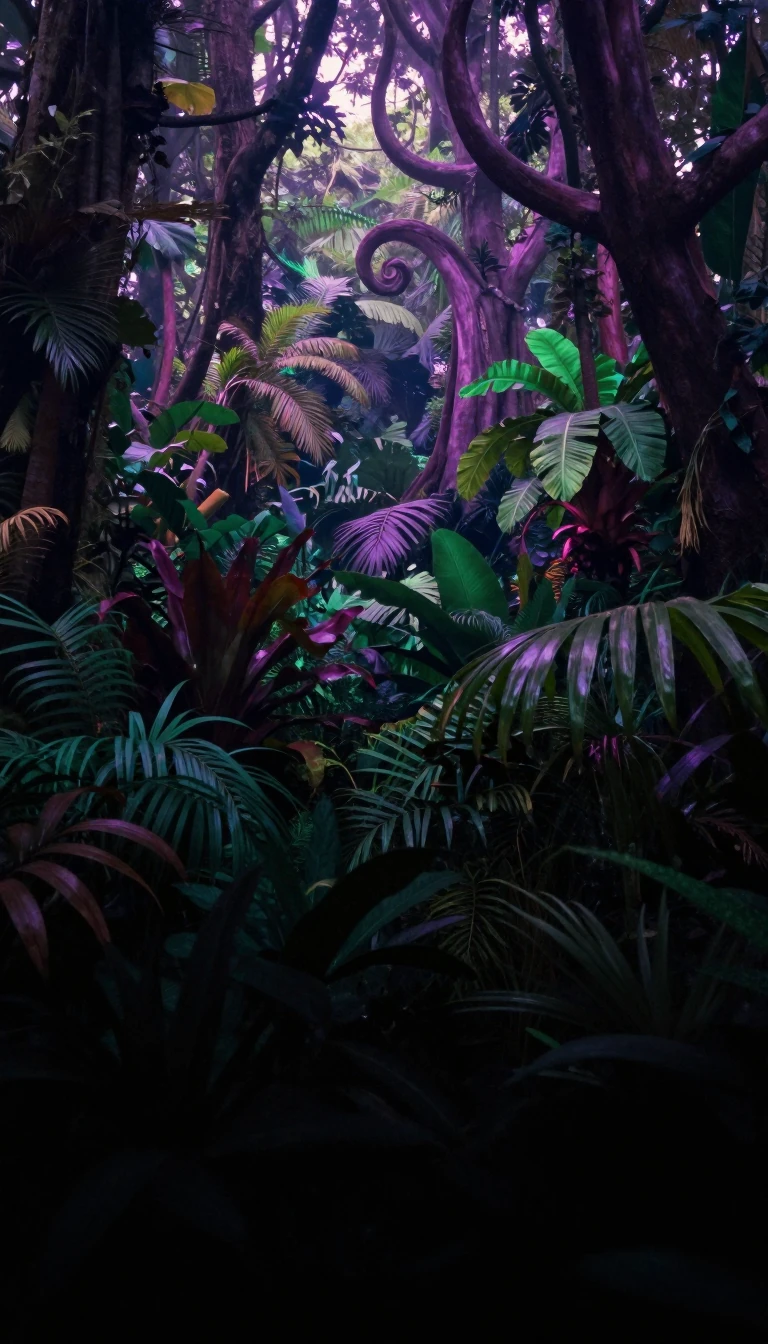
In short: Published in 1894, Rudyard Kipling’s collection of stories is a complex exploration of law, social hierarchy, and human-animal conflict. While modern audiences often associate the title with lighthearted animated musicals, the original text is a far more intense, moralistic work that remains a subject of intense academic debate.
Rudyard Kipling, born in British India in 1865, published The Jungle Book in 1894, followed by The Second Jungle Book in 1895. These stories, which originated in magazine publications around 1890, are set in the Indian wilderness. While some modern scholarship points to the Aravalli Range in Rajasthan as the intended setting, the text frequently references the Seoni region and the Wainganga River in Madhya Pradesh. Despite the area being marketed as 'Kipling country,' there is no evidence the author ever visited these specific forests.
The narratives are structured as fables, each introduced by a poem, exploring themes of abandonment, courage, and the 'Jungle Law.' Characters like Mowgli, the wolf-raised boy, and Rikki-tikki-tavi, the mongoose, navigate a world defined by a strict natural order. However, the work is not without controversy. Contemporary critics often view the stories as allegories for British colonialism, and Kipling’s reputation has been challenged by his explicit conviction that European culture was a necessary civilizing force for those he deemed 'heathen.'
Adaptations have frequently diverged from the source material’s tone. The 1967 Disney animated film, for example, introduced comic elements and new characters like King Louie, significantly softening the grim intensity of the original book. Conversely, the 1942 live-action film directed by Zoltan Korda, which starred Sabu, attempted a different interpretation of the Mowgli legend. These cinematic shifts highlight the enduring, if often distorted, legacy of Kipling’s work, which continues to be re-evaluated for its imperialist undertones and its portrayal of the relationship between humanity and the wild.
Opens the Intellect+ feed with this card first. Swipe up for the next one.
Sources
- Summary by Intellect · source: The Jungle Book | Fables, Animals, Adventure, Rudyard Kipling, & Mowgli | Britannica
- Also: Rudyard Kipling's Jungle Book
To cite this card, link to https://intellectplus.co.uk/app/entertainment-rudyard-kipling-s-jungle-book.
How we source, check and correct cards: Editorial standards.
General information, not professional advice. Spotted an error? Flag the card or see corrections and complaints.
Intellect Plus is a visual educational discovery platform for exploring fascinating facts and ideas. Brain Food, Not Brain Rot. What is Intellect Plus?
Related
More in Films · More in Entertainment · Latest · A–Z · All topics
