Why Alfred Hitchcock regretted the most shocking scene in his 1936 thriller Sabotage
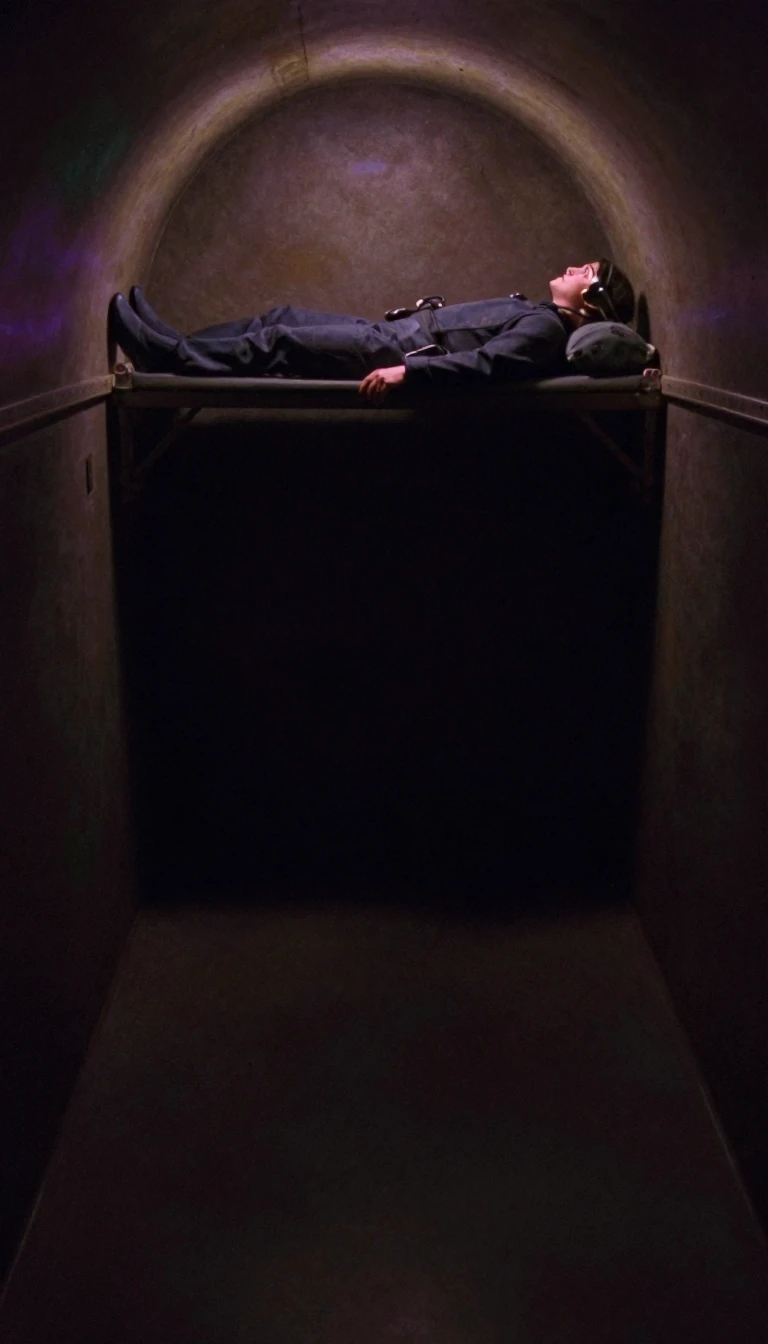
In short: In Sabotage, a young boy is unknowingly tasked with delivering a time bomb, leading to a devastating explosion. While critics praised the film as a masterly exercise in suspense, Hitchcock later expressed regret over the boy's death, arguing it violated his fundamental rules for building and releasing cinematic tension.
Released in 1936, Sabotage is a British spy thriller loosely adapted from Joseph Conrad’s 1907 novel The Secret Agent. The film follows Karl Verloc, a cinema owner and terrorist agent who orchestrates acts of sabotage in London for an unnamed foreign power. Unlike the novel, which featured Tsarist-era political intrigue, the film strips away specific political motives, leaving the audience to speculate on the nature of the threat. This ambiguity was heightened by the decision to change the protagonist's first name from Adolf, likely to avoid unwanted associations as tensions in Europe mounted before World War II.
The film is perhaps best remembered for the tragic death of Stevie, the protagonist's brother-in-law. Tasked by Verloc to deliver a package containing a bomb—disguised as projector parts—Stevie is delayed by a parade and ultimately killed when the device detonates on a bus. Hitchcock later admitted he regretted this sequence. He felt it failed his specific method of suspense, which required that tension be relieved rather than ending in such a brutal, unresolved manner. Despite this, the scene served a narrative purpose: it provided the moral justification for the wife to kill her husband in self-defense and escape justice with the help of an undercover detective.
Production was fraught with casting difficulties. Hitchcock originally wanted Robert Donat for the role of the undercover detective, but was blocked by Alexander Korda, who held Donat's contract. John Loder was cast instead, a decision that left both Hitchcock and lead actress Sylvia Sidney unhappy. Hitchcock was so dissatisfied with Loder’s performance that he was forced to rewrite dialogue during the shoot. Despite these behind-the-scenes struggles, the film remains a critical success, with The Daily Telegraph ranking it as the third-best British film of all time in 2021.
Opens the Intellect+ feed with this card first. Swipe up for the next one.
Sources
- Summary by Intellect · source: Sabotage (1936 film)
To cite this card, link to https://intellectplus.co.uk/app/entertainment-sabotage-1936-film.
How we source, check and correct cards: Editorial standards.
General information, not professional advice. Spotted an error? Flag the card or see corrections and complaints.
Intellect Plus is a visual educational discovery platform for exploring fascinating facts and ideas. Brain Food, Not Brain Rot. What is Intellect Plus?
Related
More in Films · More in Entertainment · Latest · A–Z · All topics
