How a 1953 Western changed the sound and look of cinematic violence forever
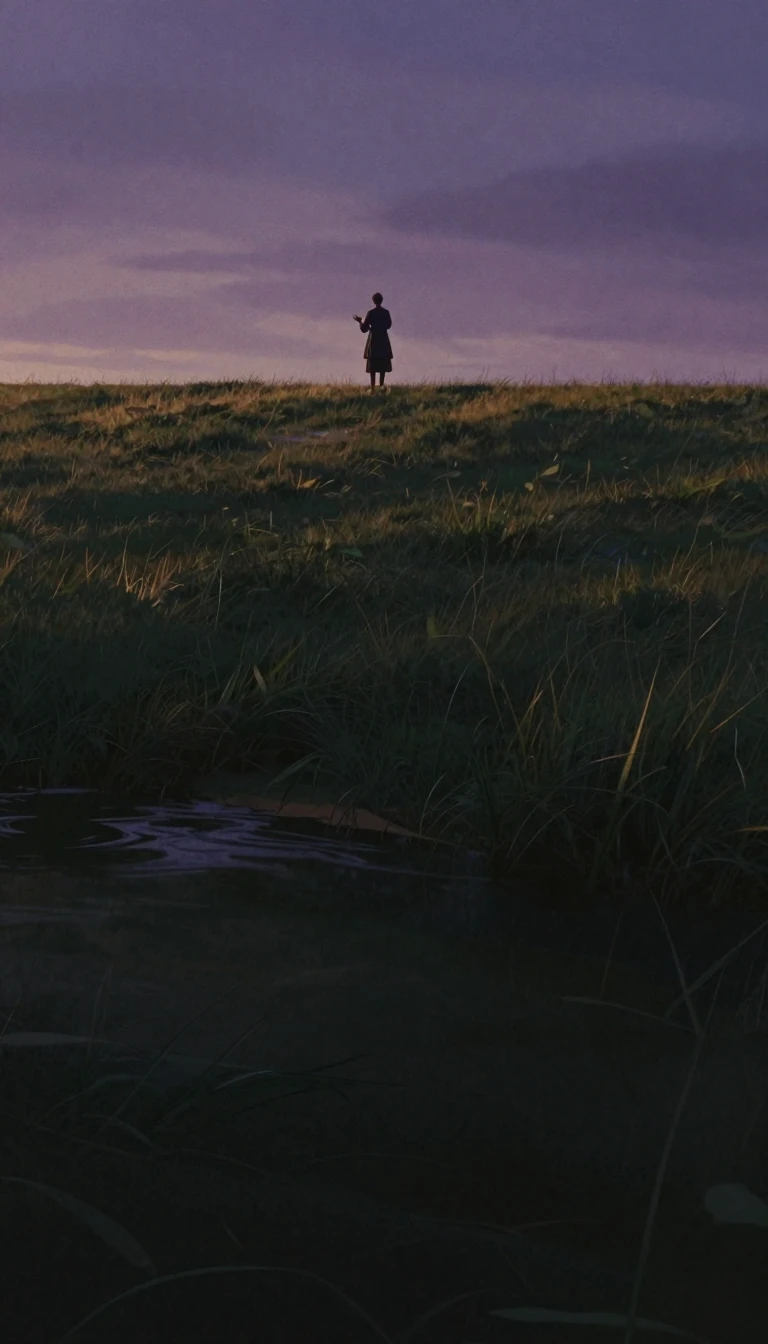
In short: George Stevens’ masterpiece Shane is more than a classic frontier tale. By experimenting with widescreen projection and inventing visceral, cannon-like sound effects for gunshots, the film fundamentally altered how movies depict conflict. It introduced a level of graphic intensity that would eventually define the modern action genre.
Released in 1953, Shane follows a mysterious gunfighter who defends homesteaders against a ruthless cattle baron in the Wyoming Territory. While the film is celebrated for its Technicolor landscapes and emotional depth, its technical innovations were equally groundbreaking. Director George Stevens utilized a new 1.66:1 widescreen format, which Paramount developed to offer a more immersive, panoramic experience than television could provide at the time.
The film’s portrayal of violence was particularly revolutionary. To convey the terrifying power of firearms, Stevens recorded the sound of a large-caliber weapon firing into a metal garbage can, creating a jarring, cannon-like report. He also employed hidden wires to jerk actors violently backward when shot, a technique that film historians credit with initiating the era of graphic violence in Western cinema. These methods were designed to strip away the romanticism of the frontier and expose the harsh reality of the gunfighter's trade.
Despite its critical success, the production was fraught with behind-the-scenes challenges. Alan Ladd, who played the titular hero, was notoriously uncomfortable with guns, requiring 116 takes for a single demonstration scene. Jack Palance, cast as the villainous Jack Wilson, struggled so significantly with horseback riding that Stevens had to adjust his entrance to a walking pace, which ultimately enhanced the character's menacing presence. The film’s legacy remains immense, influencing decades of cinema from Japanese dramas to post-apocalyptic thrillers.
The film's cultural impact is reflected in its preservation by the National Film Registry and its enduring presence in popular culture. From Woody Allen’s praise to its influence on songs and later movies like Logan, Shane continues to be studied for its narrative structure and technical audacity. It remains a definitive example of how a film can simultaneously honor a genre while pushing it toward a more complex, modern aesthetic.
Opens the Intellect+ feed with this card first. Swipe up for the next one.
Sources
- Summary by Intellect · source: Shane (film)
- Also: Wikidata — Shane · CC0
To cite this card, link to https://intellectplus.co.uk/app/entertainment-shane-film.
How we source, check and correct cards: Editorial standards.
General information, not professional advice. Spotted an error? Flag the card or see corrections and complaints.
Intellect Plus is a visual educational discovery platform for exploring fascinating facts and ideas. Brain Food, Not Brain Rot. What is Intellect Plus?
Related
More in Films · More in Entertainment · Latest · A–Z · All topics
