Is Kenneth Branagh’s 2007 Sleuth a bold reinvention or a claustrophobic misfire?
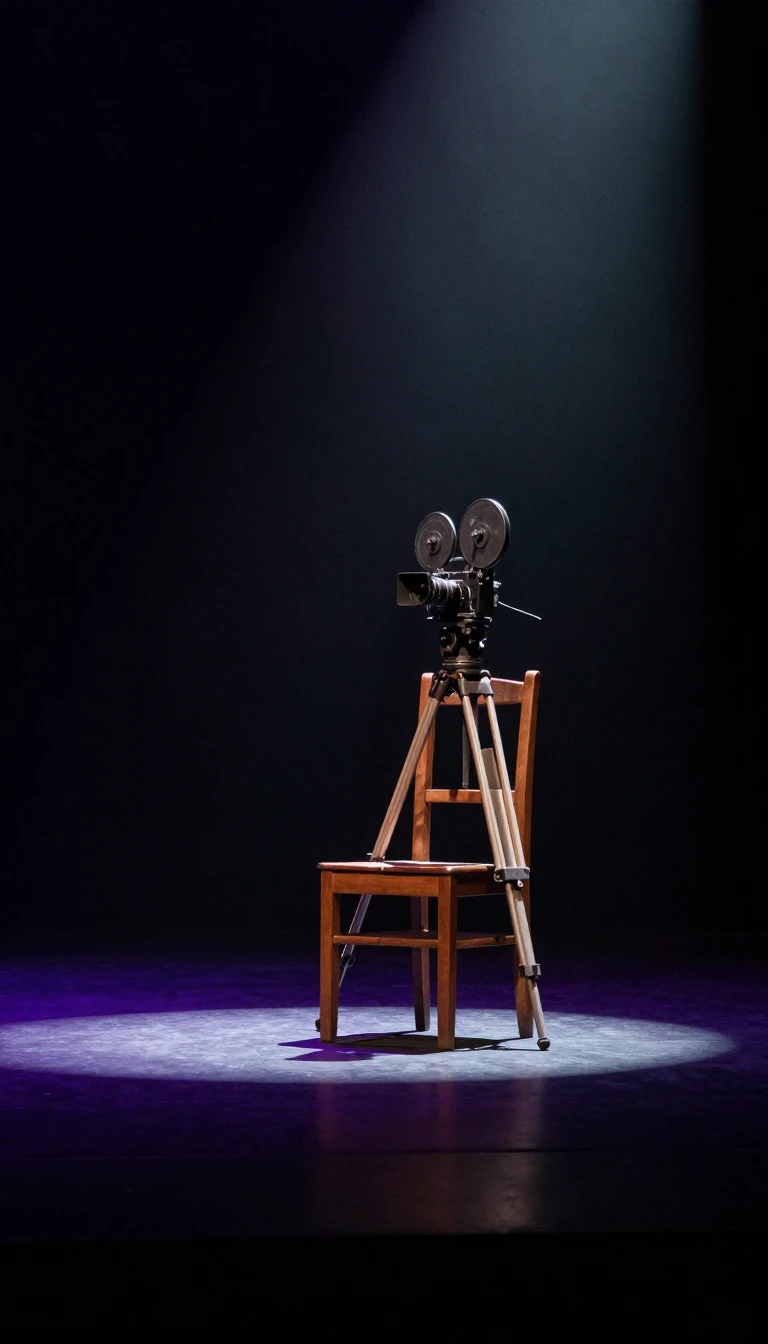
In short: When Kenneth Branagh directed the 2007 thriller Sleuth, he aimed for a fresh take on Anthony Shaffer’s classic play. Starring Michael Caine and Jude Law, the film stripped away the original’s Gothic camp for a minimalist, high-tech aesthetic. Yet, critics remain deeply divided over whether this experiment succeeded or failed.
The 2007 production of Sleuth was explicitly not intended as a remake of the 1972 film, which famously starred Laurence Olivier and Michael Caine. Screenwriter Harold Pinter, who had neither seen the original movie nor read the play before being approached by Jude Law, crafted an entirely new screenplay. Caine, who transitioned from the role of Milo Tindle in the 1972 version to Andrew Wyke in 2007, insisted he would not have participated had Pinter not been the writer. The cast and crew viewed the project as a reinvention, focusing on the power of the dialogue and the intense psychological battle between two men fighting over a woman who never appears on screen.
Director Kenneth Branagh embraced a minimalist approach, utilizing contemporary British architecture and art to create a stark, threatening environment. The house features wire figures by sculptor Anthony Gormley and artwork by Gary Hume, with furniture designed by Ron Arad. Branagh intentionally kept the action confined to the mansion, rejecting suggestions to open the film up by moving scenes to external locations. He gambled that the strength of the performances and Pinter’s script would sustain audience interest, despite the inherent risk of inducing claustrophobia.
Reception was polarized. Some critics, such as Claudia Puig, praised the sharp, ferociously delivered dialogue and the film's dark, menacing tone. Others, like Manohla Dargis, found the experience suffocating, arguing that Branagh’s stylistic choices—such as the use of a tiny elevator—hammered home the film's conceits until the audience felt trapped. The film holds a 37% approval rating on Rotten Tomatoes, with some reviewers calling it the worst prestige movie of 2007. Conversely, Roger Ebert found the material fascinating, celebrating the ominous, insinuating nature of the performances. Ultimately, the film stands as a bold, if divisive, departure from its predecessor, reflecting significant shifts in language and social morals since the play’s debut.
Opens the Intellect+ feed with this card first. Swipe up for the next one.
Sources
- Summary by Intellect · source: Sleuth (2007 film)
To cite this card, link to https://intellectplus.co.uk/app/entertainment-sleuth-2007-film.
How we source, check and correct cards: Editorial standards.
General information, not professional advice. Spotted an error? Flag the card or see corrections and complaints.
Intellect Plus is a visual educational discovery platform for exploring fascinating facts and ideas. Brain Food, Not Brain Rot. What is Intellect Plus?
Related
More in Films · More in Entertainment · Latest · A–Z · All topics
