How a lost pistol in postwar Tokyo defined the modern police procedural film
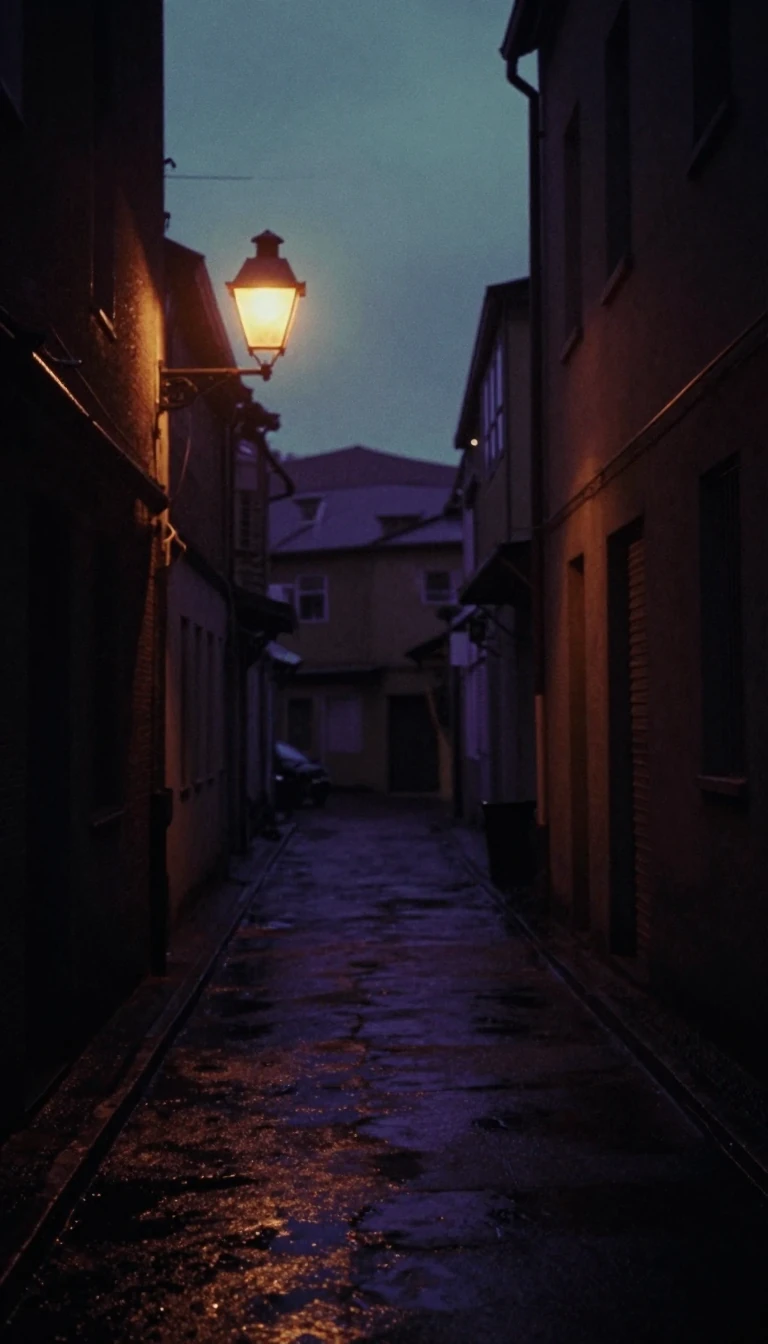
In short: Akira Kurosawa’s 1949 noir Stray Dog follows a young detective hunting for his stolen service weapon during a sweltering Tokyo heatwave. By pairing an inexperienced rookie with a seasoned veteran, the film pioneered the buddy cop genre while capturing the raw, anxious atmosphere of Japan’s difficult postwar recovery period.
The film’s origin lies in a real-life anecdote about a detective who lost his gun, which Kurosawa initially turned into an unpublished novel before adapting it into a screenplay. Collaborating with Ryuzo Kikushima, Kurosawa sent his partner to the Tokyo Metropolitan Police Department to gather authentic case files. The resulting narrative reflects contemporary Japanese anxieties regarding the après-guerre generation and a perceived rise in delinquency. Despite its enduring legacy as a foundational detective movie, Kurosawa was initially dismissive of the work, labeling it overly technical and lacking in genuine thought. His perspective shifted significantly by 1982, when he praised the production for its smooth shooting pace and the positive energy of his crew.
The production process was marked by intense collaboration and logistical ambition. Shot largely on over thirty sets at a studio rented by Toho, the film featured Ishirō Honda as the chief assistant director. Honda, who later gained fame for directing Godzilla, was instrumental in capturing the city's postwar atmosphere and even doubled for star Toshiro Mifune in specific shots. The film also served as a debut for several actors, including Keiko Awaji, though her experience was fraught with tension; Kurosawa found her unprofessional and never cast her again. The production was so immersive that Kurosawa later admitted he found it difficult to part ways with his cast and crew once filming concluded.
Stray Dog remains a critical landmark, holding a 100% approval rating on Rotten Tomatoes. Its influence extends far beyond its 1949 release, having been remade multiple times in Japan and serving as the inspiration for various international projects, including the Indian film 8 Thottakkal. While the film was a technical success—winning multiple awards at the 1950 Mainichi Film Concours—it also caused Kurosawa personal distress. He faced an unfounded accusation from the ASPCA regarding the mistreatment of a dog in the opening scene, an incident that left him feeling a profound sense of regret over Japan’s defeat in the war.
Opens the Intellect+ feed with this card first. Swipe up for the next one.
Sources
- Summary by Intellect · source: Stray Dog (film)
To cite this card, link to https://intellectplus.co.uk/app/entertainment-stray-dog-film.
How we source, check and correct cards: Editorial standards.
General information, not professional advice. Spotted an error? Flag the card or see corrections and complaints.
Intellect Plus is a visual educational discovery platform for exploring fascinating facts and ideas. Brain Food, Not Brain Rot. What is Intellect Plus?
Related
More in Films · More in Entertainment · Latest · A–Z · All topics
