Does a simple taste of fruit hold the power to save a human life?
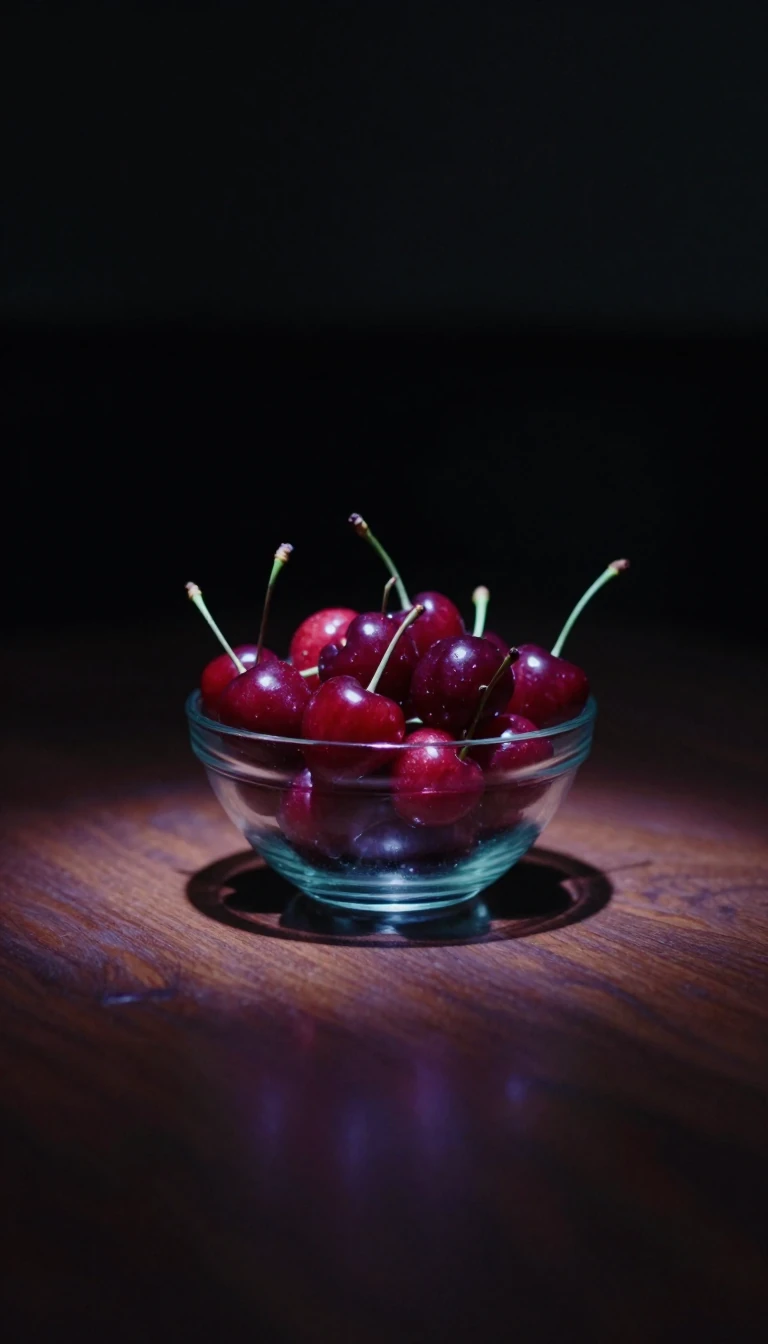
In short: In Abbas Kiarostami’s 1997 masterpiece, a man drives through Tehran seeking someone to bury him after his planned suicide. His search leads to an unexpected encounter with a taxidermist who shares a life-changing memory involving mulberries, forcing the audience to confront the profound, often ambiguous, question of whether life is worth living.
The film follows Mr. Badii, a middle-aged man who remains an enigma throughout the narrative. We learn nothing of his past, his motivations, or his personal history. As he traverses the suburbs of Tehran, he recruits three different passengers—a soldier, a seminarist, and a taxidermist—to facilitate his death. The film’s minimalist aesthetic, defined by long, static takes and a lack of traditional background music, forces the viewer to focus entirely on these sparse, intense dialogues.
The turning point arrives with the third recruit, Mr. Bagheri. Unlike the others, the taxidermist agrees to help, but only after attempting to dissuade Badii from his path. Bagheri recounts his own brush with suicide in 1960, explaining that he was saved not by grand philosophy, but by the simple, sensory experience of tasting mulberries. This moment serves as a lyrical anchor, contrasting Badii’s dark obsession with the vibrant, tactile beauty of the natural world—sunrises, stars, and the taste of fruit.
The film’s conclusion remains one of cinema's most debated sequences. After Badii lies in his grave during a thunderstorm, the screen cuts to black, only to return with handheld camcorder footage of the director and his crew. While some critics, including Roger Ebert, dismissed this meta-textual shift as a tiresome distraction, others view it as a brilliant liberation. By breaking the fourth wall, Kiarostami pulls the audience out of the oppressive darkness of the grave and into the collective, joyful reality of filmmaking itself, leaving Badii’s ultimate fate—and the film’s final answer—entirely in the hands of the viewer.
Winner of the 1997 Palme d'Or, the film has cemented its status as a landmark of world cinema. Despite its divisive reception upon release, it continues to be cited as one of the greatest films of the 1990s, praised for its ability to transform a somber meditation on death into a profound, life-affirming experience.
Opens the Intellect+ feed with this card first. Swipe up for the next one.
Sources
- Summary by Intellect · source: Taste of Cherry
- Also: Taste of Cherry
To cite this card, link to https://intellectplus.co.uk/app/entertainment-taste-of-cherry.
How we source, check and correct cards: Editorial standards.
General information, not professional advice. Spotted an error? Flag the card or see corrections and complaints.
Intellect Plus is a visual educational discovery platform for exploring fascinating facts and ideas. Brain Food, Not Brain Rot. What is Intellect Plus?
Related
More in Films · More in Entertainment · Latest · A–Z · All topics
