Martin Scorsese traded his signature street-level grit for the suffocating elegance of 1870s New York.
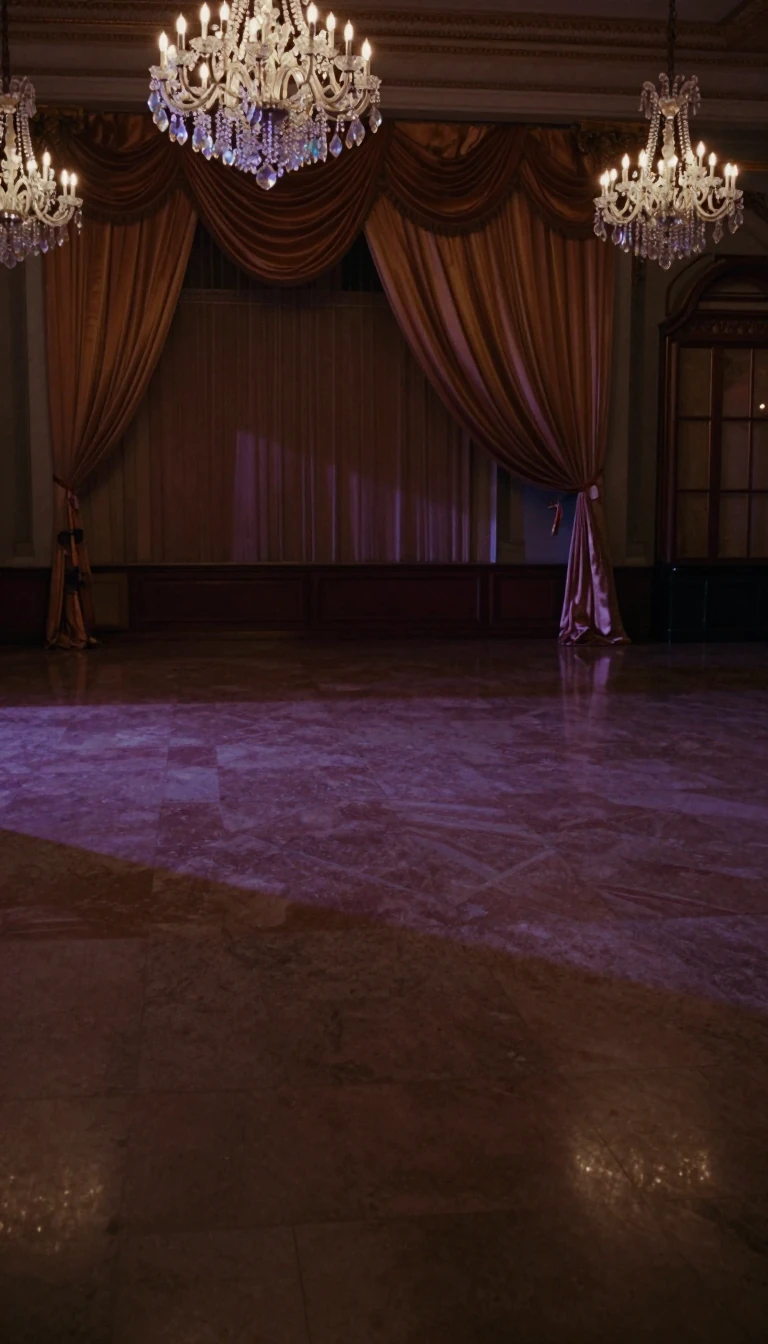
In short: Known for modern crime dramas, Scorsese surprised critics in 1993 by adapting Edith Wharton’s novel of repressed longing. The film explores a society where elite families policed conduct through ostracism, trapping a lawyer between his duty to a conformist wife and his forbidden love for an unconventional, scandalous countess.
Released in September 1993, The Age of Innocence depicts the rigid, old-money world of 1870s New York City. The story follows Newland Archer, a wealthy attorney who finds himself caught between his fiancée, May Welland, and her cousin, Countess Ellen Olenska. While Archer is drawn to Ellen’s unconventional spirit, he is bound by the community’s strict codes of conduct. The elite, led by families like the van der Luydens, maintain order through social pressure and the threat of exile, effectively forcing Archer to abandon his desires to preserve the status quo.
The film is celebrated for its stylistic restraint and attention to detail. Scorsese, who dedicated the project to his father, utilized authentic locations like Troy, New York, and the Philadelphia Academy of Music to recreate the era’s atmosphere. The title sequence, designed by Elaine and Saul Bass, uses time-lapse photography of blooming flowers to symbolize the submerged sensuality hidden beneath the surface of Victorian society. Despite the film's focus on a static, aristocratic world, critics praised the performances of Daniel Day-Lewis, Michelle Pfeiffer, and Winona Ryder for bringing emotional urgency to the narrative.
While the film was a critical triumph—earning an 88% approval rating on Rotten Tomatoes and universal acclaim on Metacritic—it was also a nuanced character study. Archer eventually realizes that his wife, May, was far more perceptive than he assumed, having suspected his feelings for Ellen all along. The story concludes decades later, revealing the long-term cost of Archer’s compliance with social expectations. By the time he has the chance to reconnect with Ellen, he chooses not to, reflecting on a life defined by what he gave up rather than what he pursued.
Opens the Intellect+ feed with this card first. Swipe up for the next one.
Sources
- Summary by Intellect · source: The Age of Innocence (1993 film)
To cite this card, link to https://intellectplus.co.uk/app/entertainment-the-age-of-innocence-1993-film.
How we source, check and correct cards: Editorial standards.
General information, not professional advice. Spotted an error? Flag the card or see corrections and complaints.
Intellect Plus is a visual educational discovery platform for exploring fascinating facts and ideas. Brain Food, Not Brain Rot. What is Intellect Plus?
Related
More in Films · More in Entertainment · Latest · A–Z · All topics
