Why Douglas Fairbanks risked his career on a muted, experimental color pirate film
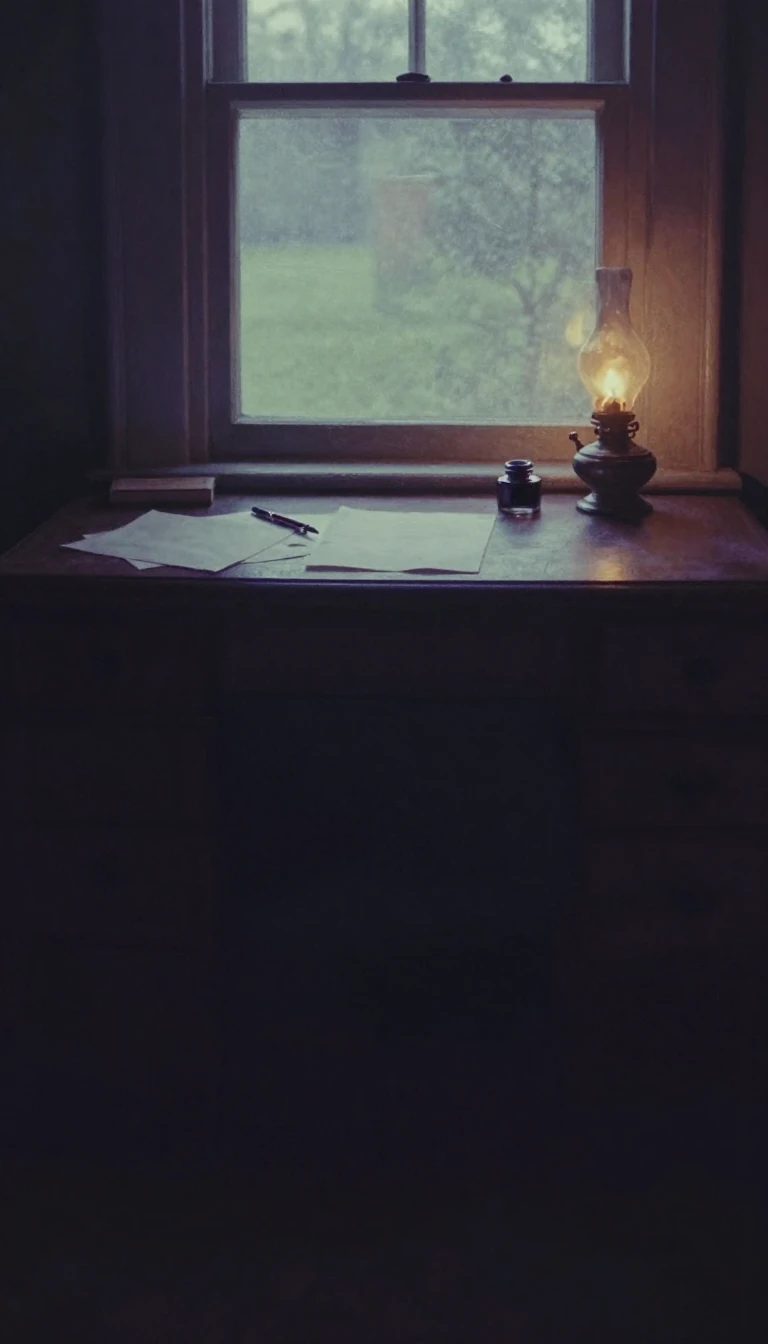
In short: In 1926, Douglas Fairbanks gambled on a full-color feature film despite industry fears that color would strain viewers' eyes and distract from the story. By rejecting saturated tones in favor of a restrained, painterly palette, he created a technical milestone that forever changed how cinema captured the spirit of adventure.
When Douglas Fairbanks began planning The Black Pirate in 1922, the film industry was deeply skeptical of color. Many believed that natural color processes were mere gimmicks that caused visual fatigue and pulled focus from the narrative. Fairbanks himself initially dismissed color as useless, yet he became convinced that it was the essential 'flavor' of piracy. To mitigate the risks, he and director Albert Parker looked to the 'old masters,' specifically Rembrandt, to create a harmonious, muted aesthetic rather than the garish, bright tones seen in earlier attempts like The Glorious Adventure.
The production relied on the experimental Technicolor Process No. 2, a subtractive duotone method that glued red and green records back-to-back. This was a significant improvement over earlier additive processes that suffered from distracting color fringes during motion. However, the technology remained fragile. To ensure success, Fairbanks commissioned ophthalmology professors Ray Irvine and M. F. Weymann to study visual fatigue, ultimately proving that Technicolor was no more taxing than black and white. He also secured four of the only seven Technicolor cameras then in existence, filming every scene twice to guard against technical failure.
The film's visual identity was heavily influenced by the 'mythical pirate' stereotype popularized by illustrators like Howard Pyle and Maxfield Parrish. By carefully controlling the on-screen elements, including the studio-created ocean, Fairbanks achieved a level of visual consistency that was unprecedented. While the film was a commercial and technical success, the fragility of the two-strip laminated prints eventually led Technicolor to abandon the process. Today, the film is preserved in the United States National Film Registry, recognized as a 'flawed but strangely beautiful artifact' that paved the way for future color epics.
Opens the Intellect+ feed with this card first. Swipe up for the next one.
Sources
- Summary by Intellect · source: The Black Pirate
- Also: Wikidata — The Black Pirate · CC0
- Also: Wikidata — The Black Pirate · CC0
To cite this card, link to https://intellectplus.co.uk/app/entertainment-the-black-pirate.
How we source, check and correct cards: Editorial standards.
General information, not professional advice. Spotted an error? Flag the card or see corrections and complaints.
Intellect Plus is a visual educational discovery platform for exploring fascinating facts and ideas. Brain Food, Not Brain Rot. What is Intellect Plus?
Related
More in Films · More in Entertainment · Latest · A–Z · All topics
