How a 1974 thriller accidentally mirrored the real-life paranoia of the Watergate scandal
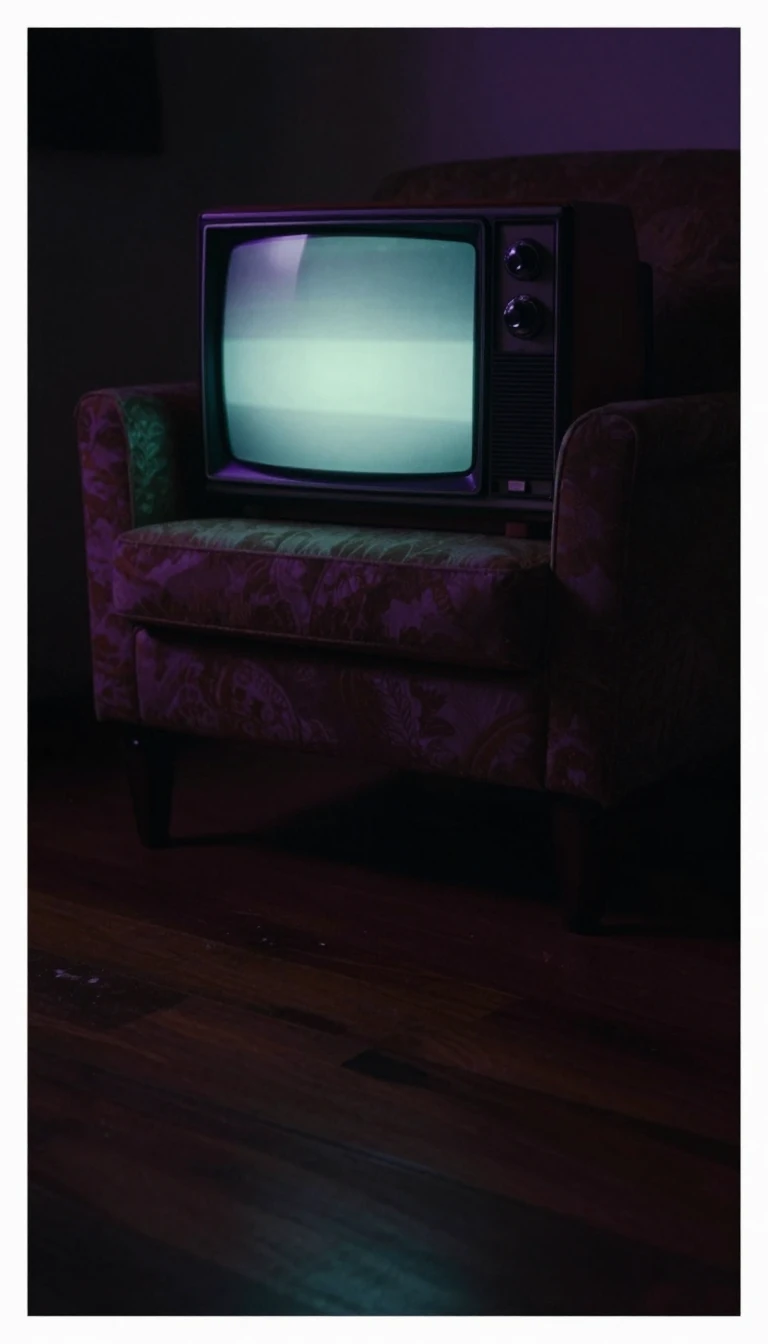
In short: Francis Ford Coppola’s The Conversation is a masterclass in surveillance-induced paranoia. Though audiences assumed the film was a direct response to the Watergate scandal, the script was written years earlier. Its chilling accuracy regarding wiretapping technology was entirely coincidental, yet it remains a definitive exploration of privacy and guilt.
Released in 1974, The Conversation follows Harry Caul, an obsessive surveillance expert in San Francisco who becomes trapped in a moral crisis after recording a couple in Union Square. Directed by Francis Ford Coppola, the film was conceived in the mid-1960s, long before the Watergate break-in became public knowledge. Coppola was shocked to discover that the film utilized the same sophisticated wire-tapping equipment that the Nixon Administration had used to spy on political opponents. Because the film hit theaters just months before Richard Nixon resigned, audiences interpreted the narrative as a deliberate commentary on the era's political fallout, despite the production being completed well before the most revelatory news stories broke.
The film’s technical realism was bolstered by private investigator Hal Lipset, who served as a consultant to ensure the surveillance methods were authentic. Coppola drew inspiration from diverse sources to shape Caul’s character, including the protagonist of Herman Hesse’s 1927 novel Steppenwolf and real-life surveillance expert Martin Kaiser. Kaiser, who acted as an uncredited consultant, noted that the film’s haunting final scene—where Caul destroys his apartment searching for a bug he cannot find—was inspired by the passive listening devices created by Léon Theremin.
Beyond its technical precision, the film is a meditation on perception and reality. Coppola cited Michelangelo Antonioni’s 1966 film Blowup as a key influence, aiming to fuse its themes of surveillance and participation with the world of audio. Gene Hackman, who played Caul, considered the role a career peak, despite finding the character’s socially awkward, loner nature difficult to inhabit. The film’s legacy is immense; it won the Palme d'Or at the 1974 Cannes Film Festival and was selected for preservation in the National Film Registry in 1995 for its cultural and historical significance.
Opens the Intellect+ feed with this card first. Swipe up for the next one.
Sources
- Summary by Intellect · source: The Conversation
- Also: Wikidata — The Conversation · CC0
- Also: Wikidata — The Conversation · CC0
To cite this card, link to https://intellectplus.co.uk/app/entertainment-the-conversation.
How we source, check and correct cards: Editorial standards.
General information, not professional advice. Spotted an error? Flag the card or see corrections and complaints.
Intellect Plus is a visual educational discovery platform for exploring fascinating facts and ideas. Brain Food, Not Brain Rot. What is Intellect Plus?
Related
More in Films · More in Entertainment · Latest · A–Z · All topics
