Can a masterpiece of literature survive the transition from the page to the screen?
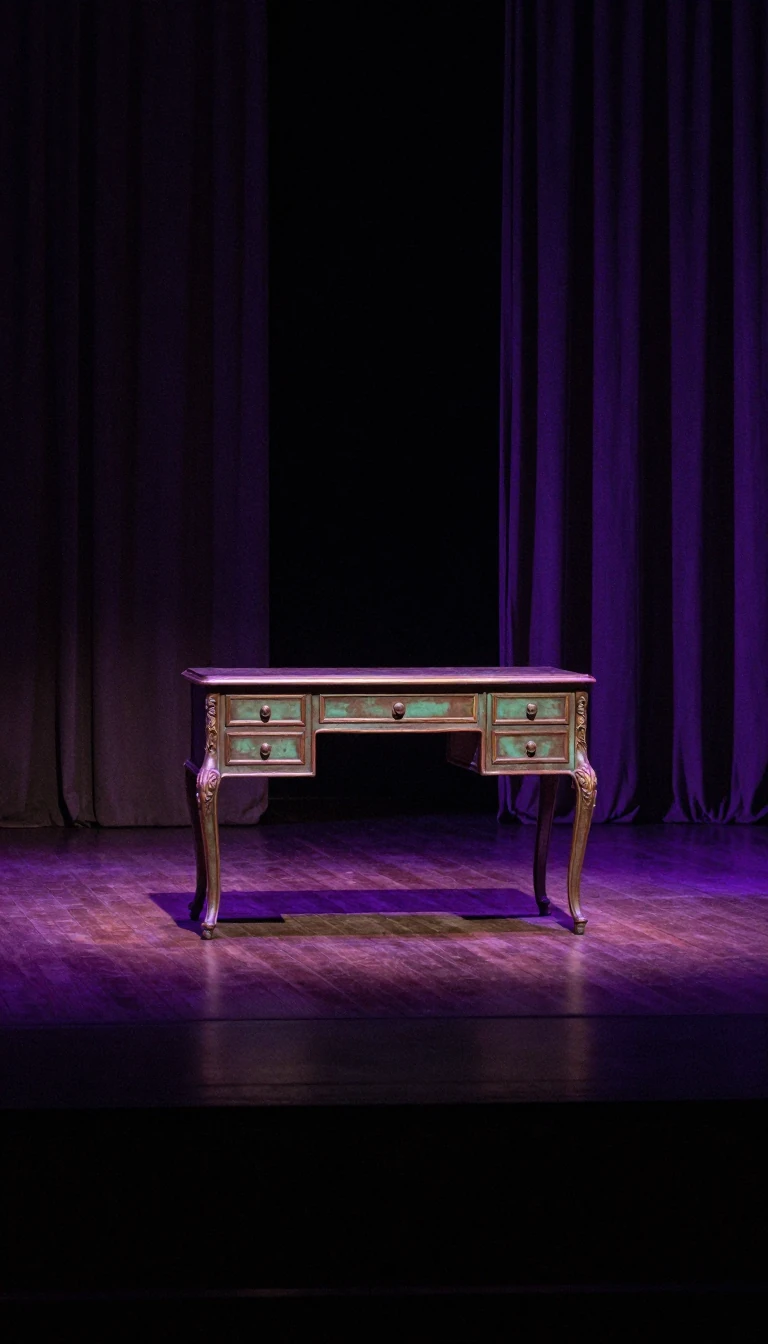
In short: James Ivory’s 2000 adaptation of Henry James’s final novel, The Golden Bowl, is a visually opulent drama about infidelity and hidden truths. While critics praised its exquisite production design, many argued that compressing the complex inner lives of its characters into dialogue turned a subtle tragedy into a soap opera.
The Golden Bowl follows the lives of two couples whose relationships are deeply intertwined. Prince Amerigo, an impoverished Roman, marries Maggie Verver, the daughter of a wealthy American tycoon. Unbeknownst to Maggie, Amerigo had a prior affair with her friend Charlotte, who subsequently marries Maggie’s father, Adam. The titular bowl, a rock crystal antique, serves as a central metaphor; its hidden crack mirrors the flawed, deceptive nature of the marriages it represents.
Director James Ivory, producer Ismail Merchant, and screenwriter Ruth Prawer Jhabvala—a trio known for their previous adaptations of Henry James—sought to capture the author’s high-culture sensibility. However, the film faced significant challenges. Critics noted that the screenplay explicitly voiced thoughts that remained unspoken in the original 1904 novel. By stripping away the ambiguity of the source material, the film struggled to maintain the narrative momentum required to sustain its deliberate pace, leading to mixed reviews.
Behind the scenes, the production was marked by both artistic ambition and personal friction. The film was shot at various historic locations across England and Italy, earning praise for its aesthetic beauty. Yet, the project was not without controversy; a physical altercation occurred between actors Jeremy Northam and Michael Sheen after a dispute over a performance note. Following a cool reception at the 2000 Cannes Film Festival, the film’s distributor, Miramax, requested cuts that the filmmakers refused, eventually leading to the film being sold to Lions Gate.
Ultimately, The Golden Bowl remains a polarizing work. While some critics, such as Roger Ebert, admired its emotional distance, others found it to be a tedious, uneven experience. Despite its worldwide box office gross of over $5.7 million, the film serves as a case study in the difficulties of translating literary interiority into the explicit, visual language of cinema.
Opens the Intellect+ feed with this card first. Swipe up for the next one.
Sources
- Summary by Intellect · source: The Golden Bowl (film)
To cite this card, link to https://intellectplus.co.uk/app/entertainment-the-golden-bowl-film.
How we source, check and correct cards: Editorial standards.
General information, not professional advice. Spotted an error? Flag the card or see corrections and complaints.
Intellect Plus is a visual educational discovery platform for exploring fascinating facts and ideas. Brain Food, Not Brain Rot. What is Intellect Plus?
Related
More in Films · More in Entertainment · Latest · A–Z · All topics
