Why a 1986 French film about a lonely summer became a cinematic masterpiece
In short: Éric Rohmer’s The Green Ray captures the quiet, uncomfortable reality of being single in a world obsessed with social performance. By prioritizing improvised dialogue and an inconspicuous 16 mm camera, Rohmer created a film that feels less like a scripted drama and more like a raw, authentic observation of human isolation.
Released in 1986 as the fifth entry in Éric Rohmer’s Comedies and Proverbs series, The Green Ray follows Delphine, a woman struggling with the social pressures of summer vacation after a breakup. Unlike traditional romantic dramas, the film avoids the tropes of courtship. Delphine finds herself unable to participate in the mindless chatter of singles bars or the performative nature of holiday travel. Her journey is defined by a refusal to play the roles expected of her, leading to a profound sense of alienation as she drifts from Paris to the Alps and finally to Biarritz.
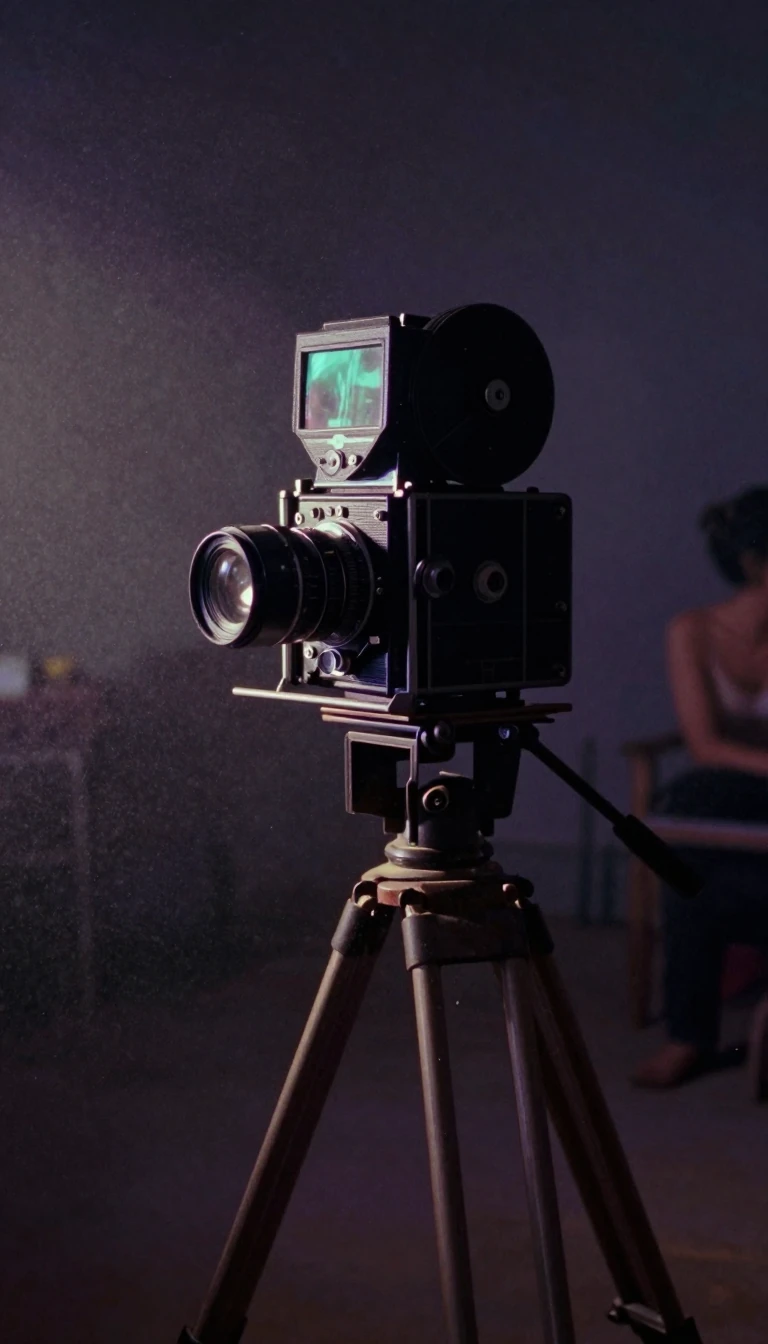
The film’s unique aesthetic was born from a desire for naturalism. Rohmer shot the movie chronologically on 16 mm film, instructing his cinematographer, Sophie Maintigneux, to keep technical equipment minimal to avoid distracting the actors. Much of the dialogue was improvised, with lead actress Marie Rivière essentially driving the character's development through her own interactions and questioning. Rohmer believed that by keeping the production inconspicuous, he could capture the 'naturalness' of human behavior, noting that people eventually forget the cameras are even there.
The narrative is anchored by the legend of the green ray, a rare optical phenomenon described in Jules Verne’s novel of the same name. According to the lore, witnessing this flash at sunset reveals one's own thoughts and the thoughts of others as if by magic. This elusive goal serves as a metaphor for Delphine’s search for genuine connection. While the film was a commercial success and won the Golden Lion at the 43rd Venice International Film Festival, it remains a study of the 'times between the big moments'—the periods of boredom and disenchantment where a person's true character is revealed when they believe they are not being judged.
Rohmer’s unconventional approach extended to the film's distribution. He premiered the work on the French pay-TV station Canal Plus, which provided one-fifth of the $650,000 total budget. This alliance between cinema and television was, in Rohmer's view, essential for the survival of French film. The experiment proved successful, as the film found an audience and eventually earned a 94% approval rating on Rotten Tomatoes, cementing its legacy as a landmark of 1980s European cinema.
Opens the Intellect+ feed with this card first. Swipe up for the next one.
Sources
- Summary by Intellect · source: The Green Ray (film)
To cite this card, link to https://intellectplus.co.uk/app/entertainment-the-green-ray-film.
How we source, check and correct cards: Editorial standards.
General information, not professional advice. Spotted an error? Flag the card or see corrections and complaints.
Intellect Plus is a visual educational discovery platform for exploring fascinating facts and ideas. Brain Food, Not Brain Rot. What is Intellect Plus?
Related
More in Films · More in Entertainment · Latest · A–Z · All topics
