How a student's ten-minute film clip launched a legendary nature documentary empire
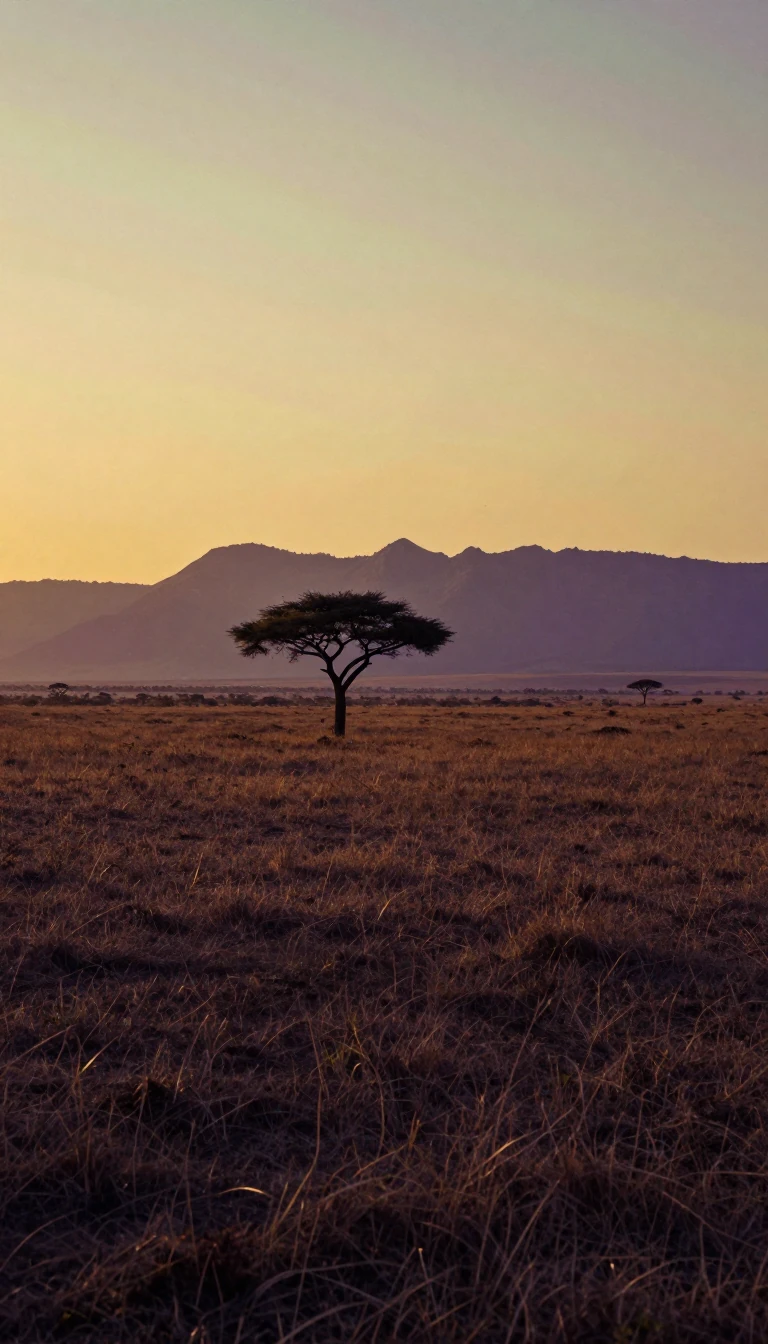
In short: In 1953, a doctoral candidate captured a brief, intense battle between a wasp and a tarantula. That footage captivated Walt Disney, prompting him to fund a full-length feature. The resulting film, The Living Desert, redefined nature documentaries and sparked a massive shift in how Disney distributed his own cinematic work.
The Living Desert emerged from the vision of N. Paul Kenworthy, a researcher at UCLA. His short, ten-minute recording of desert wildlife behavior convinced Disney that nature films could sustain a feature-length narrative. This pivot was significant for the studio, which had previously limited its zoological studies to short subjects like the award-winning Seal Island. The production, filmed in Tucson, Arizona, became the inaugural feature in the True-Life Adventures series.
The project’s success forced a major business evolution. Disney’s relationship with RKO Radio Pictures had soured, largely because the distributor showed little interest in his documentary efforts. To maintain creative control, Disney established his own distribution arm, Buena Vista Distribution, named after the street where his office stood. This move allowed him to bypass the studio that had once undervalued his nonfiction work.
Despite its critical and commercial triumph, the film faced scrutiny for its stylistic choices. Critics, including Bosley Crowther of The New York Times, took issue with the inclusion of comedic musical cues, such as hoedown tracks accompanying a scorpion mating dance. Nevertheless, the film was a financial juggernaut, turning a $300,000 budget into $4,000,000 at the box office. Its international appeal was immense; in Japan, it even surpassed Gone With the Wind to become the highest-grossing film of its time.
The film’s legacy is cemented by its accolades and cultural impact. At the 26th Academy Awards, it secured the Oscar for Best Documentary Feature, contributing to a record-breaking year for Disney, who took home four awards in total. Beyond the Oscars, it earned honors at the Cannes and Berlin film festivals. In 2000, the Library of Congress selected it for the National Film Registry, recognizing its lasting significance to American cinema.
Opens the Intellect+ feed with this card first. Swipe up for the next one.
Sources
- Summary by Intellect · source: The Living Desert
- Also: Wikidata — The Living Desert · CC0
- Also: Wikidata — Living Desert Zoo and Gardens · CC0
To cite this card, link to https://intellectplus.co.uk/app/entertainment-the-living-desert.
How we source, check and correct cards: Editorial standards.
General information, not professional advice. Spotted an error? Flag the card or see corrections and complaints.
Intellect Plus is a visual educational discovery platform for exploring fascinating facts and ideas. Brain Food, Not Brain Rot. What is Intellect Plus?
Related
More in Films · More in Entertainment · Latest · A–Z · All topics
