How a 1940 film pioneered the noir aesthetic and changed Hollywood art history forever
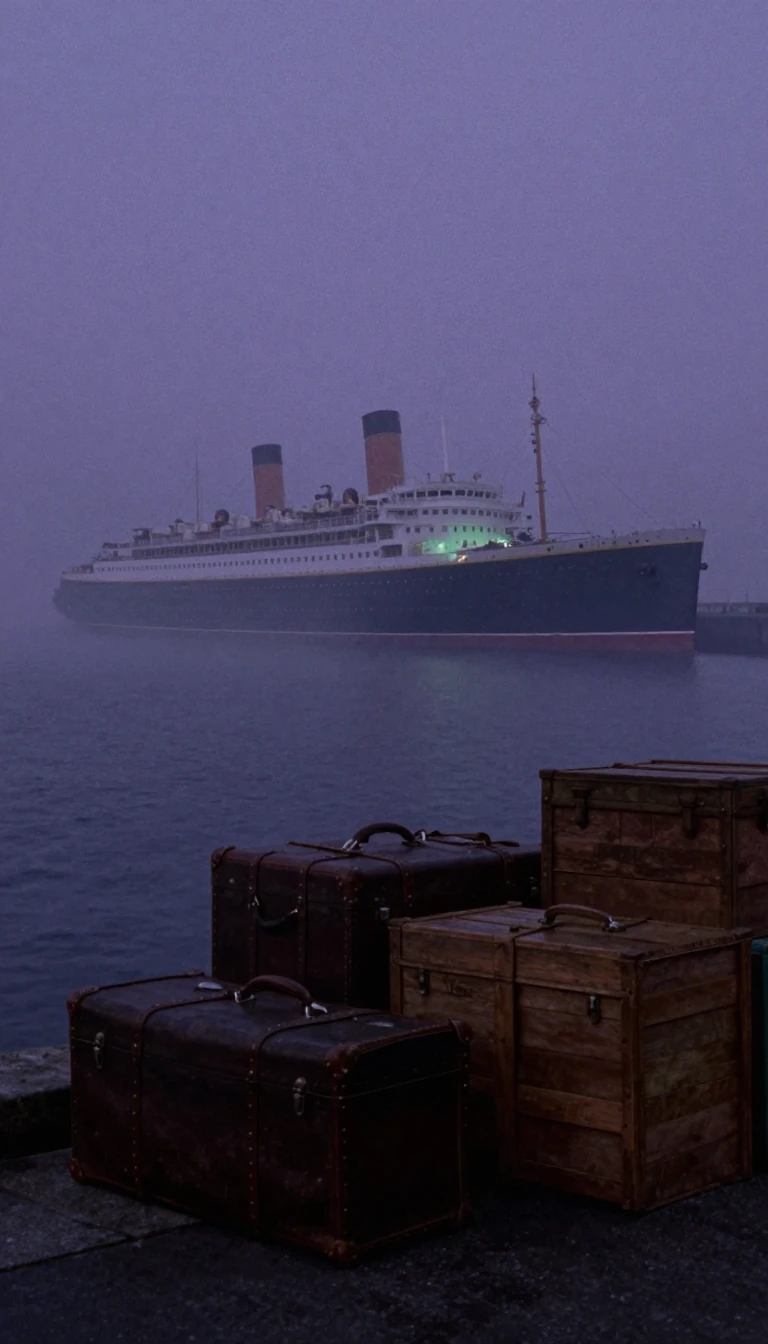
In short: John Ford’s 1940 drama The Long Voyage Home is a forgotten masterpiece of the sea. Beyond its stark storytelling, the production made history by commissioning nine prominent American painters to document the set, while cinematographer Gregg Toland’s moody visuals laid the groundwork for the iconic aesthetic of Citizen Kane.
Adapted from four one-act plays by Eugene O'Neill, the film follows the crew of the SS Glencairn as they navigate the perils of World War II. While O'Neill praised the adaptation as a grand and moving work, the film struggled at the box office, losing $224,336 upon its initial release. Critics at the time speculated that its dark tone and lack of traditional romance alienated general audiences, though modern reception remains overwhelmingly positive, with a 100% approval rating on Rotten Tomatoes.
The film’s visual legacy is perhaps its most enduring contribution. Cinematographer Gregg Toland employed a distinctive style that served as a precursor to the film noir aesthetic. His work was so influential that director John Ford shared his title card with Toland in the opening credits, a rare gesture of professional recognition that Orson Welles would mirror the following year in Citizen Kane. This visual sophistication helped elevate the film into what critic Bosley Crowther called a modern Odyssey, capturing the harsh reality of men searching for peace.
Producer Walter Wanger took an unprecedented approach to the production by commissioning nine American artists—including Thomas Hart Benton and Grant Wood—to capture the film's atmosphere. Backed by a $50,000 commission, these artists were granted creative freedom and studio access, resulting in eleven original paintings that toured the country. This collaboration marked the first time such an artistic endeavor was integrated into Hollywood filmmaking, bridging the gap between fine art and the silver screen. Today, the film remains a significant, if under-seen, artifact of cinematic history, available for streaming through the Criterion Channel.
Opens the Intellect+ feed with this card first. Swipe up for the next one.
Sources
- Summary by Intellect · source: The Long Voyage Home
- Also: Wikidata — The Long Voyage Home · CC0
- Also: Wikidata — The Long Voyage Home · CC0
To cite this card, link to https://intellectplus.co.uk/app/entertainment-the-long-voyage-home.
How we source, check and correct cards: Editorial standards.
General information, not professional advice. Spotted an error? Flag the card or see corrections and complaints.
Intellect Plus is a visual educational discovery platform for exploring fascinating facts and ideas. Brain Food, Not Brain Rot. What is Intellect Plus?
Related
More in Films · More in Entertainment · Latest · A–Z · All topics
