How clay figurines reconstruct the brutal history of the Khmer Rouge regime in Cambodia
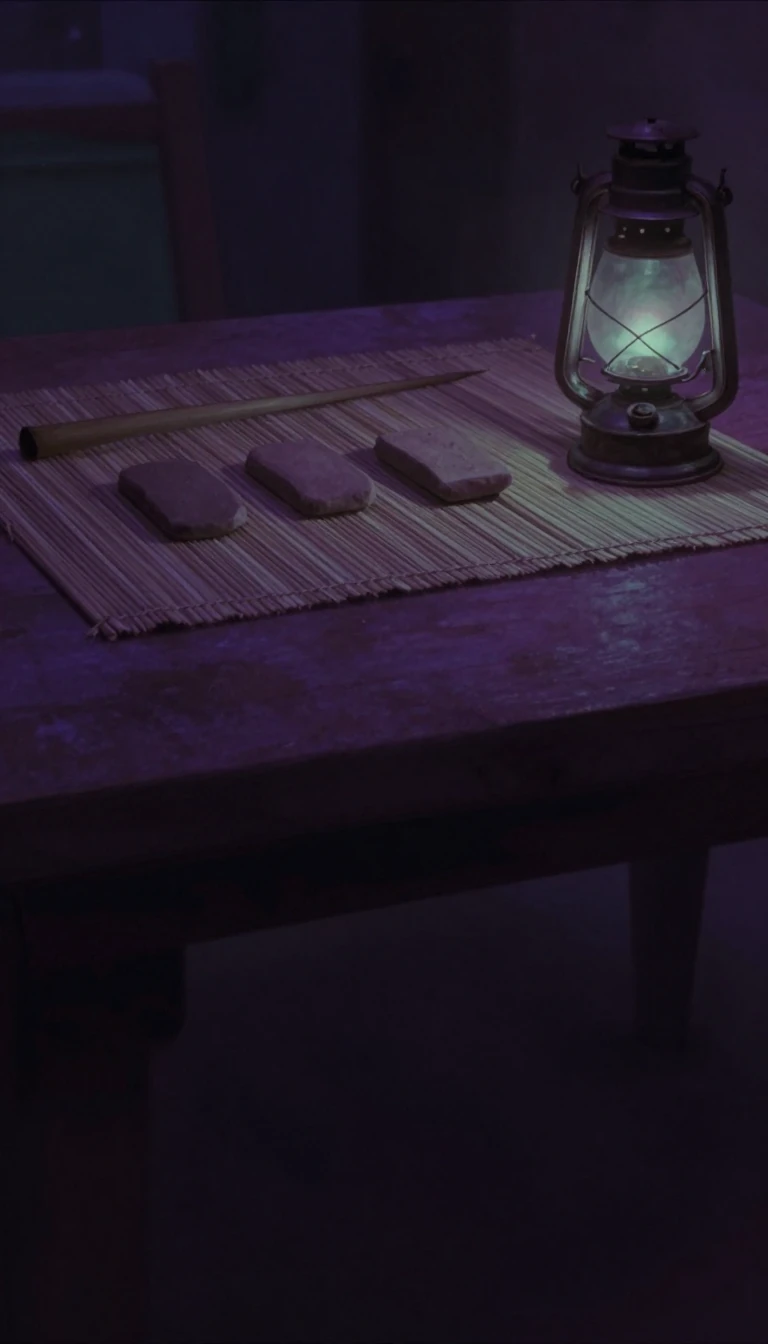
In short: When photographic evidence of a genocide is systematically destroyed, how do you reclaim the truth? Director Rithy Panh turned to handcrafted clay dioramas to fill the void left by the Khmer Rouge. This unorthodox documentary serves as a haunting, personal bridge between a stolen childhood and a suppressed national history.
Released in 2013, The Missing Picture is a documentary directed by Rithy Panh that examines the atrocities committed during the Khmer Rouge regime in Cambodia between 1975 and 1979. Panh, who experienced the rise of the regime as a child before fleeing to Thailand and later France, lost many family members during this period. The film functions as a deeply personal quest to recover memories and cultural identity that were forcibly erased by the regime’s radical socialist agenda, which sought to reduce individuals to mere numbers.
Because the Khmer Rouge deliberately destroyed photographic records, Panh faced a significant challenge in documenting the era. He addressed this by blending archival footage with intricate clay dioramas created by sculptor Sarith Mang. These figurines serve a dual purpose: they evoke the innocence of the childhood Panh lost while simultaneously depicting the harsh, brutal realities of life under the regime. This creative choice allows the film to reconstruct a historical period where visual evidence is otherwise missing.
The film received widespread critical acclaim, including a 99% approval rating on Rotten Tomatoes and a score of 87 on Metacritic. It was recognized at numerous prestigious events, winning the top prize in the Un Certain Regard category at the 2013 Cannes Film Festival and the Grand Jury Prize at the Cinemanila International Film Festival. Furthermore, it secured the Best Documentary award at the 21st Lumière Awards and earned a nomination for the Best International Feature Film category at the 86th Academy Awards. By utilizing cinema as a tool for bearing witness, Panh successfully counters the regime's distorted propaganda with his own pursuit of historical truth.
Ultimately, the work is a meditation on the importance of collective memory. By filling the gaps in his own experience with symbolic art, Panh demonstrates how storytelling can act as a form of resistance against the suppression of cultural heritage. The film stands as a testament to the power of artistic expression to preserve history when official records have been intentionally purged.
Opens the Intellect+ feed with this card first. Swipe up for the next one.
Sources
- Summary by Intellect · source: The Missing Picture
- Also: The Missing Picture
- Also: Wikidata — The Missing Picture · CC0
To cite this card, link to https://intellectplus.co.uk/app/entertainment-the-missing-picture.
How we source, check and correct cards: Editorial standards.
General information, not professional advice. Spotted an error? Flag the card or see corrections and complaints.
Intellect Plus is a visual educational discovery platform for exploring fascinating facts and ideas. Brain Food, Not Brain Rot. What is Intellect Plus?
Related
More in Films · More in Entertainment · Latest · A–Z · All topics
