Why the 1932 classic The Mummy remains the closest Hollywood came to horror poetry.
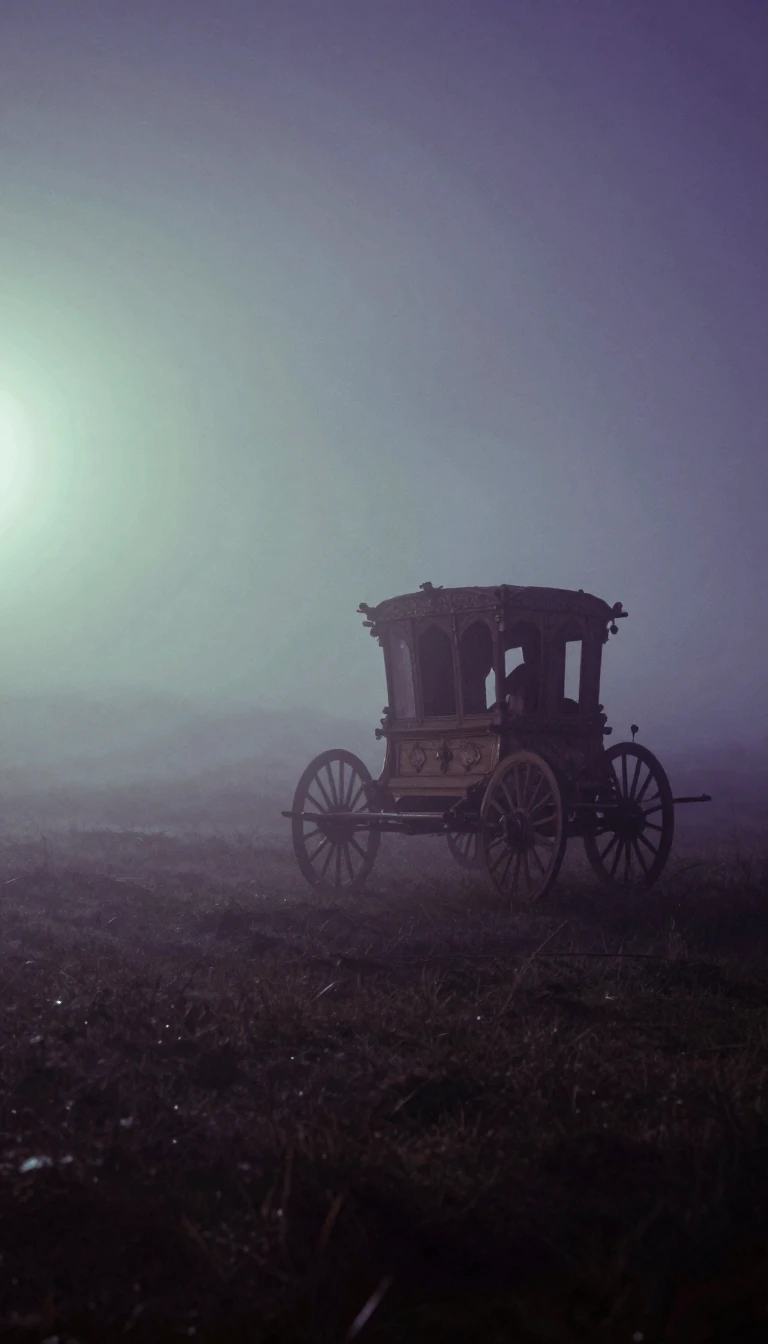
In short: Released in 1932, this supernatural horror film established the iconic mummy archetype. While less profitable than its predecessors, it became a cultural touchstone. Beyond the scares, the film reflects colonial-era attitudes toward archaeology, blending historical fascination with the era's obsession with the supposed curse of the pharaohs.
The 1932 film was born from a desire to replicate the success of Universal's earlier hits, Dracula and Frankenstein. Producer Carl Laemmle Jr. tasked writer Richard Schayer with finding a novel to adapt, but after failing to find a suitable source, the team pivoted to an original concept. They drew inspiration from the 1922 discovery of Tutankhamun’s tomb and the subsequent public frenzy surrounding the alleged curse of the pharaohs. Screenwriter John L. Balderston, who had covered the tomb's opening as a journalist, shifted the setting to Egypt and introduced the fictional Scroll of Thoth to ground the narrative in a veneer of ancient legitimacy.
Boris Karloff’s portrayal of the high priest Imhotep is central to the film's enduring legacy, though the production was notoriously grueling. Make-up artist Jack Pierce spent eight hours applying layers of cotton, collodion, and spirit gum to Karloff to create the mummy's withered appearance. Despite the iconic status of these scenes, the film relies heavily on atmosphere rather than constant action. Critics have noted that the movie functions as a piece of 'costume melodrama,' with some modern scholars pointing out its problematic 'othering' of Eastern culture, framing it as superstitious compared to the Western archaeological perspective.
While the film is often associated with a franchise, it actually stands alone without a direct sequel. Later films like The Mummy's Hand introduced a different character named Kharis, often recycling footage from the 1932 original. Today, the film is celebrated for its mood and influence, with 90% of critics on Rotten Tomatoes offering positive reviews. It remains a masterclass in atmospheric horror, proving that the most chilling moments often come from what is implied rather than what is explicitly shown.
Opens the Intellect+ feed with this card first. Swipe up for the next one.
Sources
- Summary by Intellect · source: The Mummy (1932 film)
To cite this card, link to https://intellectplus.co.uk/app/entertainment-the-mummy-1932-film.
How we source, check and correct cards: Editorial standards.
General information, not professional advice. Spotted an error? Flag the card or see corrections and complaints.
Intellect Plus is a visual educational discovery platform for exploring fascinating facts and ideas. Brain Food, Not Brain Rot. What is Intellect Plus?
Related
More in Films · More in Entertainment · Latest · A–Z · All topics
