Can humanity physically move the Earth to escape an expanding, dying Sun?
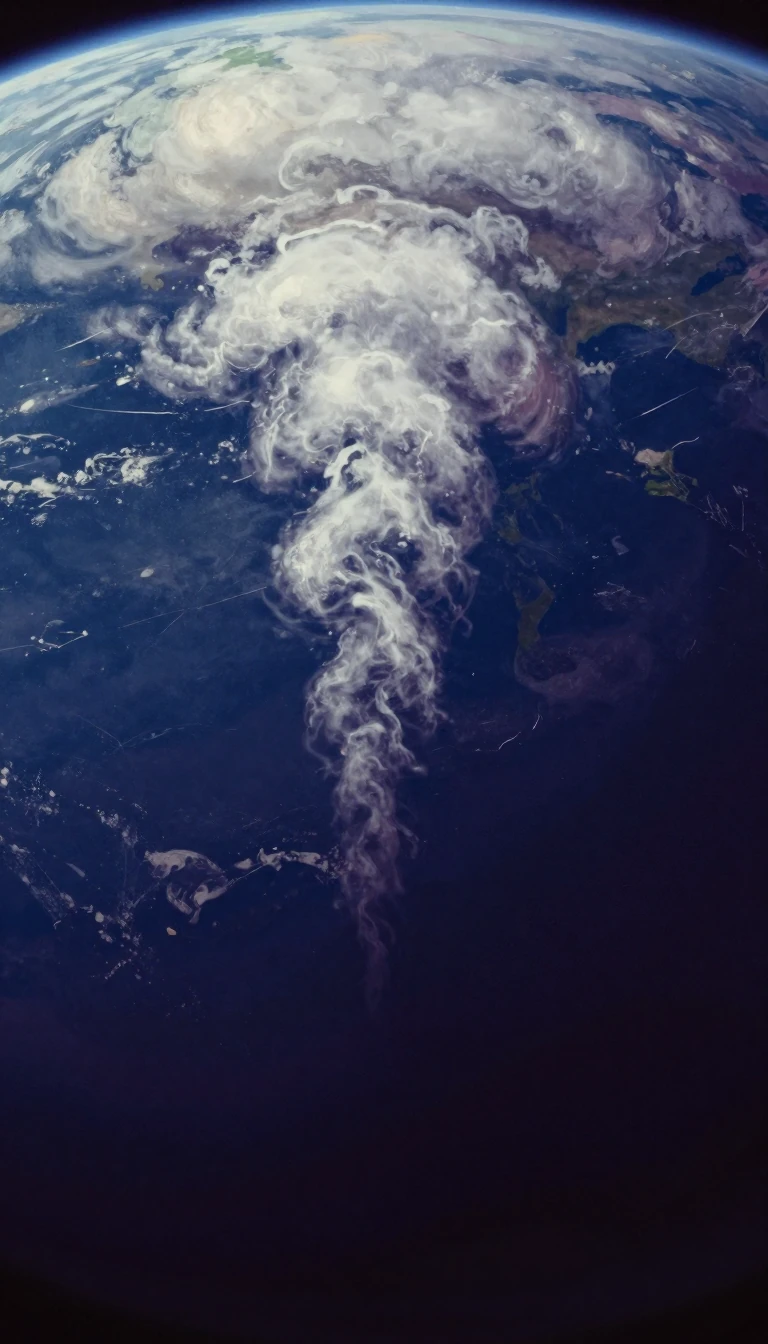
In short: In the 2019 blockbuster The Wandering Earth, humanity faces an existential crisis as the Sun turns into an expanding red giant. To survive, the world government constructs 10,000 massive fusion-powered engines to propel the planet out of the Solar System, embarking on a desperate, centuries-long journey toward Alpha Centauri.
Directed by Frant Gwo and based on a short story by Liu Cixin, the film represents a landmark moment for Chinese science fiction. The production was a massive undertaking, involving a conceptual art team of 300 people who generated over 3,000 concept maps and 8,000 sub-mirrors. Filming began in May 2017 in Qingdao, utilizing eight sound stages over nearly a year. The project faced significant financial hurdles, leading lead actor Wu Jing to forgo his salary and invest his own capital to keep the production afloat.
The narrative focuses on the human element rather than the grand, multi-millennial timeline of the original novella. To ensure scientific rigor, Gwo consulted four experts from the Chinese Academy of Sciences, spending eight months developing a cohesive world view that addressed everything from social structures to the physics of planetary escape. The film’s centerpiece—a perilous gravity assist near Jupiter—was chosen specifically for its visual impact, as the gas giant dwarfs the Earth, highlighting the fragility of our home planet in the vastness of space.
Upon its release in February 2019, the film became a cultural phenomenon, grossing over $700 million worldwide. It received accolades including the Golden Rooster Award for Best Picture, though it also sparked debates regarding its themes. While some critics praised its departure from the individualistic tropes of Hollywood, others questioned its reception, noting that state-run media support led to accusations of nationalist propaganda. Regardless of the discourse, the film proved that the Chinese industry could produce a full-scale interstellar spectacular, paving the way for a 2023 prequel.
The film's legacy is defined by its ambition to bridge the gap between Chinese cinema and global audiences. By focusing on collective sacrifice and solidarity, it offers a distinct perspective on the disaster genre. As the Earth continues its journey in the story, the film remains a testament to the technical and creative evolution of modern science fiction, proving that even the most impossible concepts can find a home on the big screen.
Opens the Intellect+ feed with this card first. Swipe up for the next one.
Sources
- Summary by Intellect · source: The Wandering Earth
- Also: Wikidata — The Wandering Earth · CC0
- Also: Wikidata — The Wandering Earth · CC0
To cite this card, link to https://intellectplus.co.uk/app/entertainment-the-wandering-earth.
How we source, check and correct cards: Editorial standards.
General information, not professional advice. Spotted an error? Flag the card or see corrections and complaints.
Intellect Plus is a visual educational discovery platform for exploring fascinating facts and ideas. Brain Food, Not Brain Rot. What is Intellect Plus?
Related
More in Films · More in Entertainment · Latest · A–Z · All topics
