A silent masterpiece caught in the crosswinds of a changing cinematic era
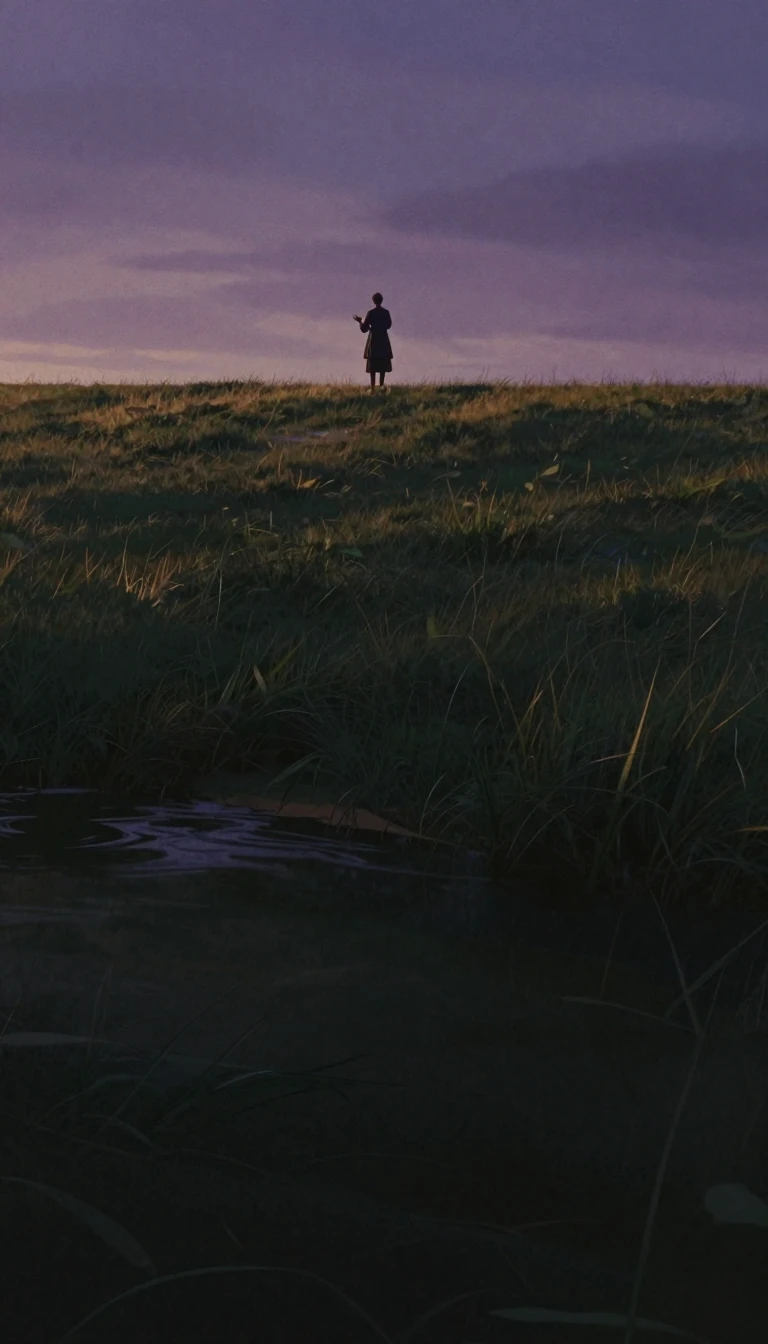
In short: Released in 1928, The Wind is a haunting silent drama that captures the raw power of nature and human desperation. Despite its status as a classic today, the film was a commercial failure at the time, arriving just as audiences were abandoning silent cinema for the new era of sound.
Directed by Victor Sjöström and starring Lillian Gish, The Wind tells the story of Letty Mason, a woman who moves to a desolate Texas ranch only to be tormented by an unrelenting wind. The film, adapted from Dorothy Scarborough's 1925 novel, uses the environment as a central character that dictates the fates of its inhabitants. It is a stark study of isolation, where the elements drive the protagonist toward a desperate act of violence and a subsequent descent into madness.
The production was marked by significant tension and hardship. Filmed partially in the Mojave Desert, the cast and crew endured extreme conditions to achieve a sense of documentary realism. Behind the scenes, Gish and Sjöström reportedly clashed with studio executives over the film's conclusion. While the original novel features a tragic ending, the studio mandated a happier resolution, a decision that allegedly contributed to Sjöström's return to Sweden. However, some historians dispute the existence of a filmed 'sad' ending, suggesting the controversy may be more legend than historical fact.
The film's release was delayed by Metro-Goldwyn-Mayer for a full year, as the studio grew nervous about the rise of talkies following the success of The Jazz Singer. By the time it premiered in November 1928, the market had shifted, and the film recorded an $87,000 loss. Critics of the era were divided, with some, like Mordaunt Hall of The New York Times, dismissing the special effects and acting as artificial. Yet, retrospective appreciation has been immense; in 1993, the Library of Congress selected it for preservation in the National Film Registry for its aesthetic significance.
Today, The Wind is celebrated as a visual poem where natural forces impinge on human drama. Scholars compare its uncompromising realism to Erich von Stroheim’s Greed, noting how it uses the environment to mirror the internal psychological struggles of its characters. It remains a quintessential example of silent film artistry, capturing a moment when the medium was at its most elemental before the transition to sound permanently altered the landscape of cinema.
Opens the Intellect+ feed with this card first. Swipe up for the next one.
Sources
- Summary by Intellect · source: The Wind (1928 film)
To cite this card, link to https://intellectplus.co.uk/app/entertainment-the-wind-1928-film.
How we source, check and correct cards: Editorial standards.
General information, not professional advice. Spotted an error? Flag the card or see corrections and complaints.
Intellect Plus is a visual educational discovery platform for exploring fascinating facts and ideas. Brain Food, Not Brain Rot. What is Intellect Plus?
Related
More in Films · More in Entertainment · Latest · A–Z · All topics
