A 1945 Sherlock Holmes mystery reveals the dark power of hypnotic blackmail
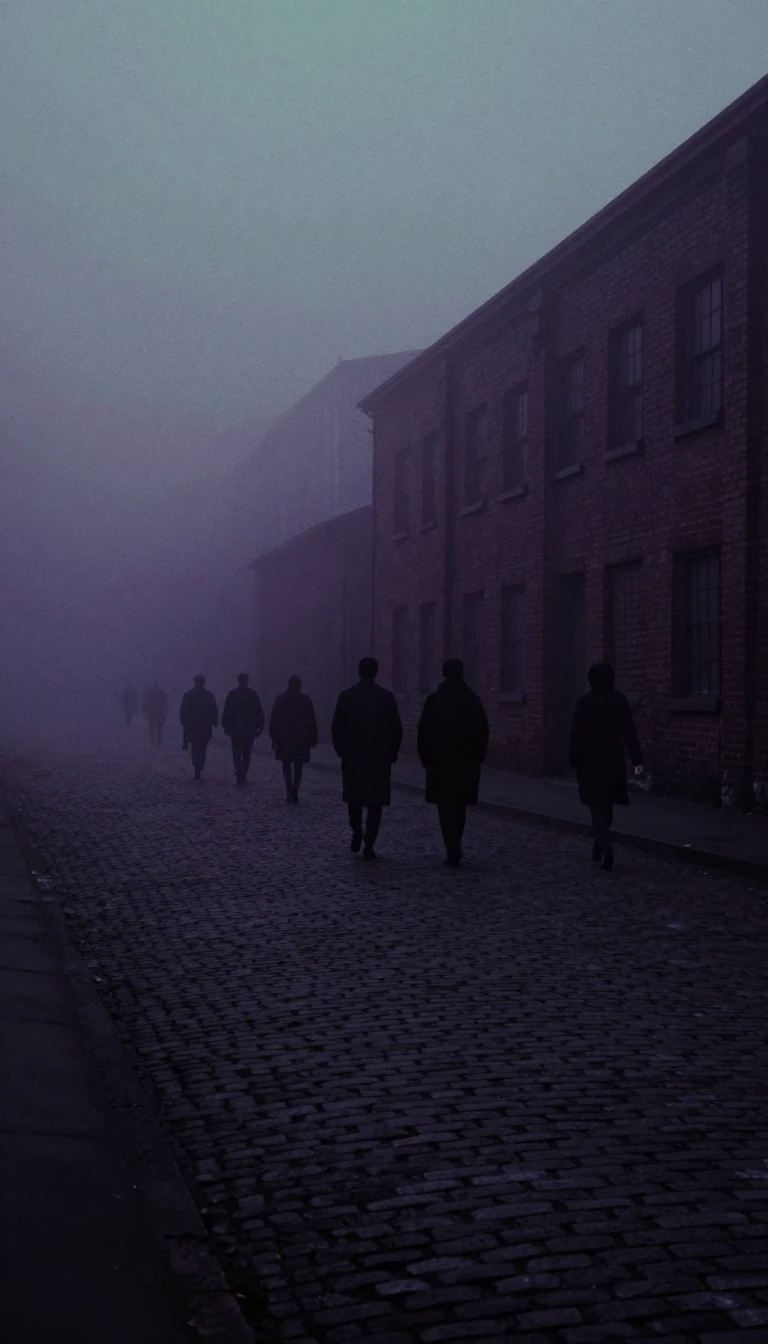
In short: In this classic mystery, Sherlock Holmes confronts a series of gruesome murders involving severed fingers. The investigation uncovers a sophisticated blackmail ring led by his arch-nemesis, Professor Moriarty. Using hypnosis to frame wealthy men for crimes they did not commit, the villain creates a trap that even Holmes struggles to escape.
Released in 1945, The Woman in Green stands as the eleventh entry in the long-running film series featuring Basil Rathbone as the legendary detective and Nigel Bruce as Dr. Watson. Directed by Roy William Neill, the production draws inspiration from Arthur Conan Doyle's literary works, specifically incorporating elements from the stories detailing the detective's final confrontation with his rival and his subsequent return to London. While the film follows the established series format, it notably replaces the recurring character Inspector Lestrade with Inspector Gregson, played by Matthew Boulton.
The plot centers on a sinister scheme orchestrated by Professor Moriarty, portrayed by Henry Daniell. Moriarty uses a glamorous accomplice, Lydia Marlowe, to lure wealthy men into compromising situations. By drugging these victims and employing hypnosis, the criminals plant evidence—specifically severed forefingers—that makes the men believe they are responsible for a string of brutal murders. The goal is to silence the victims through fear of public scandal, ensuring they remain complicit in the blackmail operation to protect their reputations.
The narrative reaches a climax when Holmes infiltrates the group, only to be subjected to a dangerous hypnotic attempt himself. He is forced to ingest a substance called cannabis japonica and is nearly commanded to leap to his death from a high ledge. However, the detective reveals he had anticipated the trap, having consumed a pain-numbing agent to feign a trance state. The film concludes with a dramatic pursuit that results in Moriarty's fatal fall from a building, marking a definitive end to his machinations in this installment.
As one of four films in the Rathbone series currently in the public domain, the movie remains a notable example of mid-century mystery cinema. It highlights the recurring tension between the rational detective and his brilliant, criminal counterpart. The production is also recognized for the versatility of its cast, including Hillary Brooke, who appeared in three distinct roles throughout the series, and Henry Daniell, who similarly portrayed three different characters across the various films.
Opens the Intellect+ feed with this card first. Swipe up for the next one.
Sources
- Summary by Intellect · source: The Woman in Green
- Also: Wikidata — The Woman in Green · CC0
- Also: Wikidata — The Woman in Green · CC0
To cite this card, link to https://intellectplus.co.uk/app/entertainment-the-woman-in-green.
How we source, check and correct cards: Editorial standards.
General information, not professional advice. Spotted an error? Flag the card or see corrections and complaints.
Intellect Plus is a visual educational discovery platform for exploring fascinating facts and ideas. Brain Food, Not Brain Rot. What is Intellect Plus?
Related
More in Films · More in Entertainment · Latest · A–Z · All topics
