Can a stolen masterpiece ever truly belong to the person who claims it?
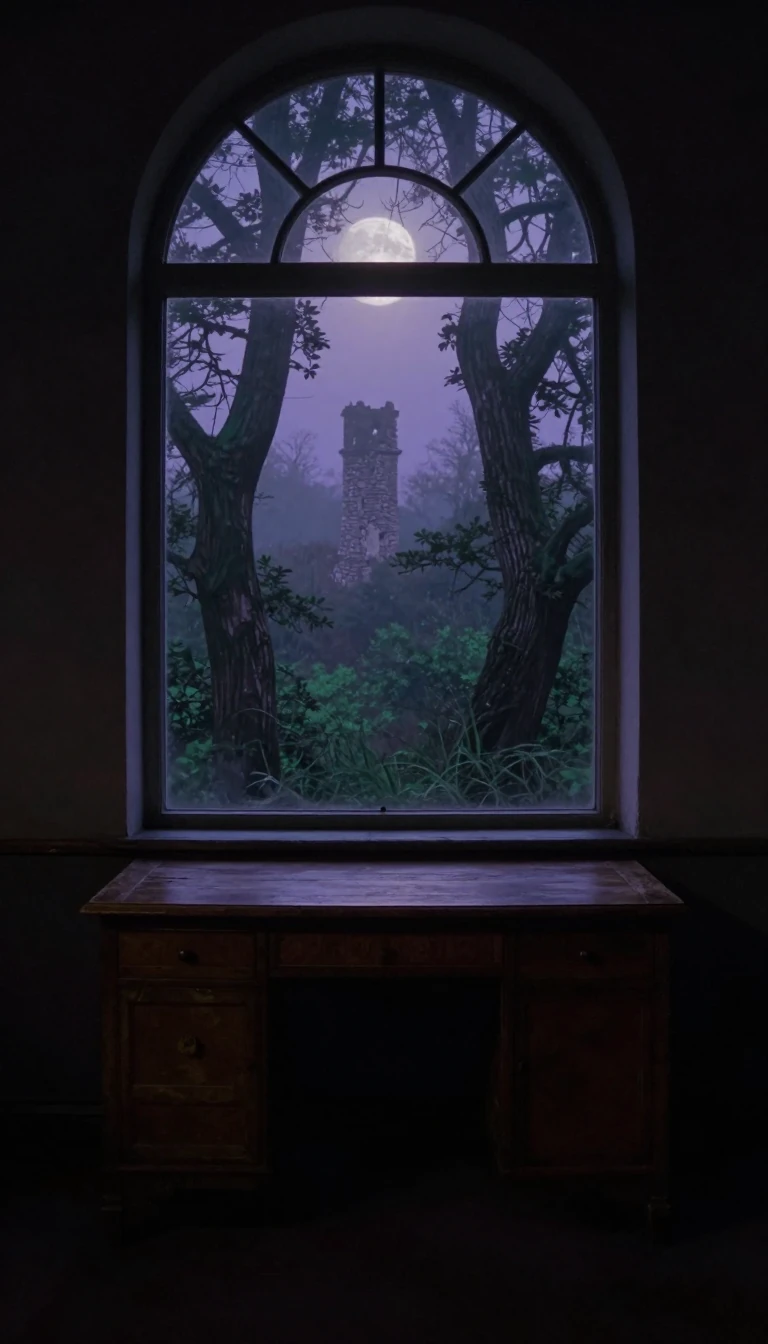
In short: The Words explores the blurred lines between authorship and authenticity. When an aspiring writer discovers a lost manuscript, he faces a moral crisis that mirrors the life of the man who actually wrote it. This layered narrative questions whether we can ever truly separate our own lives from the stories we tell.
The 2012 film The Words, directed by Brian Klugman and Lee Sternthal, centers on Rory Jansen, a struggling writer who achieves fame after publishing a manuscript he found in a briefcase. The story is framed as a reading by author Clayton Hammond, whose own life appears to parallel the fictional events he describes. As the layers of the narrative peel back, the film reveals the true origin of the manuscript: a tragic tale of a young soldier in post-WWII France who lost his work—and his family—due to a series of heartbreaking accidents.
The film draws heavy inspiration from the life of Ernest Hemingway, specifically the 1922 incident where his first wife, Hadley, lost a briefcase containing his early writings on a train. While the film’s structure invites comparisons to the 2004 novel Lila Lila by Martin Suter, directors Klugman and Sternthal maintain they began writing their screenplay in 1999, years before Suter’s book was published. The production itself was filmed in Montreal over 25 days, chosen for its ability to double as both Paris and New York.
Critical reception was largely polarized. While some reviewers, such as Stephen Holden, found it to be a clever yarn, others criticized its narrative complexity as emotionally inert. It holds a 24% approval rating on Rotten Tomatoes and a 37/100 score on Metacritic. Despite the mixed reviews, the film remains a study in the consequences of intellectual theft and the heavy price of living a lie, ultimately suggesting that while people may move on from their mistakes, the truth of their actions remains.
The film's meta-narrative structure forces the audience to consider the fine line between life and fiction. By the end, the viewer is left to wonder if the entire story is an autobiographical confession from Hammond himself. It is a meditation on the weight of legacy and the haunting realization that our most significant mistakes often become the stories that define us.
Opens the Intellect+ feed with this card first. Swipe up for the next one.
Sources
- Summary by Intellect · source: The Words (film)
- Also: Wikidata — The Words · CC0
To cite this card, link to https://intellectplus.co.uk/app/entertainment-the-words-film.
How we source, check and correct cards: Editorial standards.
General information, not professional advice. Spotted an error? Flag the card or see corrections and complaints.
Intellect Plus is a visual educational discovery platform for exploring fascinating facts and ideas. Brain Food, Not Brain Rot. What is Intellect Plus?
Related
More in Films · More in Entertainment · Latest · A–Z · All topics
