How a 1985 thriller about Amish life became a masterclass in visual storytelling
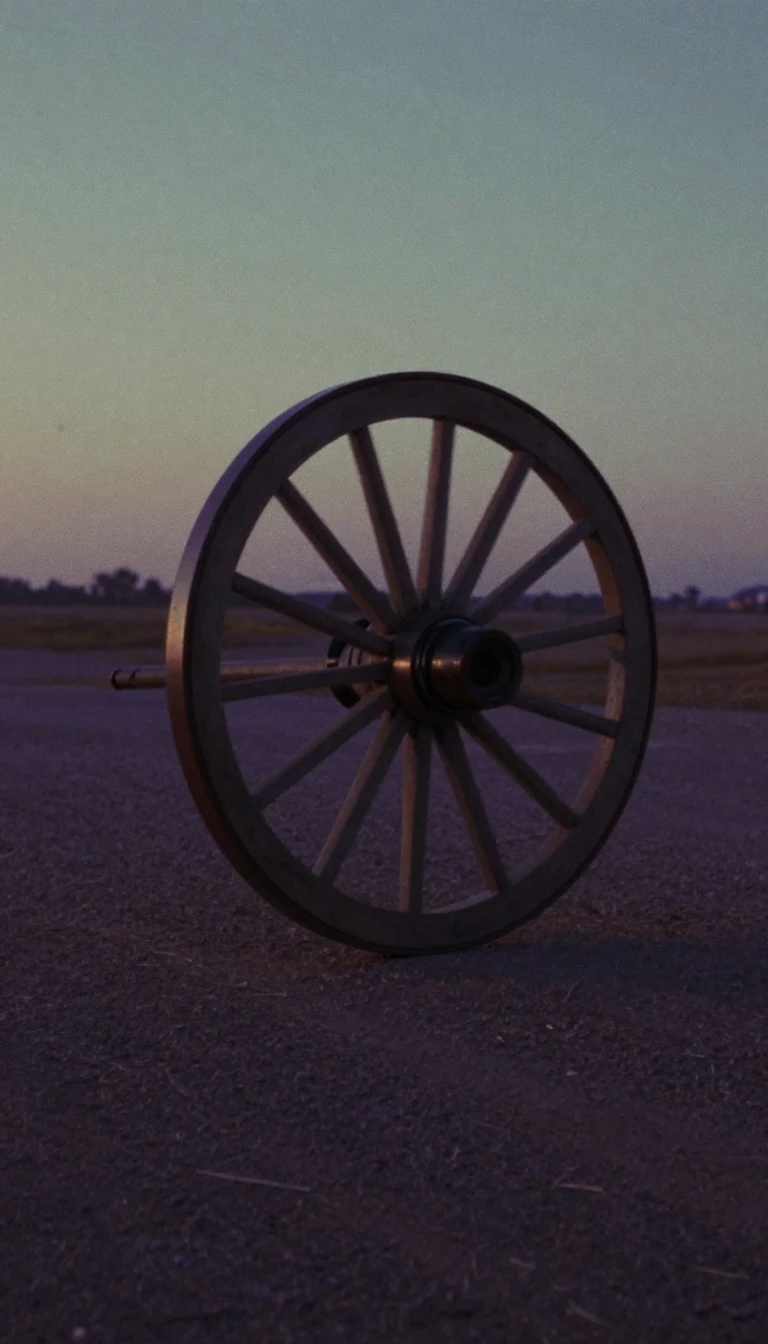
In short: Witness, the 1985 neo-noir starring Harrison Ford, defied studio expectations to become a sleeper hit. Director Peter Weir eschewed dialogue for visual nuance, drawing inspiration from Dutch Masters to frame a tense collision between modern police corruption and the quiet, non-violent traditions of an Amish community in Pennsylvania.
The film originated from a screenplay titled Called Home, a 182-page draft that languished in Hollywood for years. Studios initially rejected the project, dismissing it as a 'rural movie.' It was only after Harrison Ford committed to the role of Detective John Book that Paramount Pictures agreed to produce it. Director Peter Weir, taking on his first American film, insisted on a visual approach to character development. He famously cut scenes where characters explained their feelings, arguing that the audience should discern their internal states through imagery rather than exposition. To achieve this, Weir and cinematographer John Seale studied 17th-century Dutch paintings, particularly the works of Johannes Vermeer, to craft the film's lighting and composition.
The production faced significant friction with the local Amish community. Many Amish residents viewed the film as an exploitation of their way of life, and bishops advised followers to refuse participation. Consequently, many extras were actually Mennonites. The National Committee for Amish Religious Freedom even called for a boycott, fearing the film would invite trespassing and souvenir-hunting tourists. This backlash was so profound that Pennsylvania governor Dick Thornburgh eventually agreed to stop promoting Lancaster County as a filming location, and no major film has been shot there since.
Despite the controversy, the film earned critical acclaim and eight Academy Award nominations, winning for Best Original Screenplay and Best Film Editing. Critics praised the film as a study of cultural collision, with some noting how the violence of the police thriller genre felt jarring against the backdrop of Amish pacifism. Negotiation expert William Ury later highlighted the film's climax—where the community gathers to stop a standoff—as a powerful symbol of how ordinary citizens can de-escalate violence. Today, the film remains a landmark for its ability to balance a high-stakes crime narrative with a delicate, sensitive exploration of human dignity.
Opens the Intellect+ feed with this card first. Swipe up for the next one.
Sources
- Summary by Intellect · source: Witness (1985 film)
To cite this card, link to https://intellectplus.co.uk/app/entertainment-witness-1985-film.
How we source, check and correct cards: Editorial standards.
General information, not professional advice. Spotted an error? Flag the card or see corrections and complaints.
Intellect Plus is a visual educational discovery platform for exploring fascinating facts and ideas. Brain Food, Not Brain Rot. What is Intellect Plus?
Related
More in Films · More in Entertainment · Latest · A–Z · All topics
